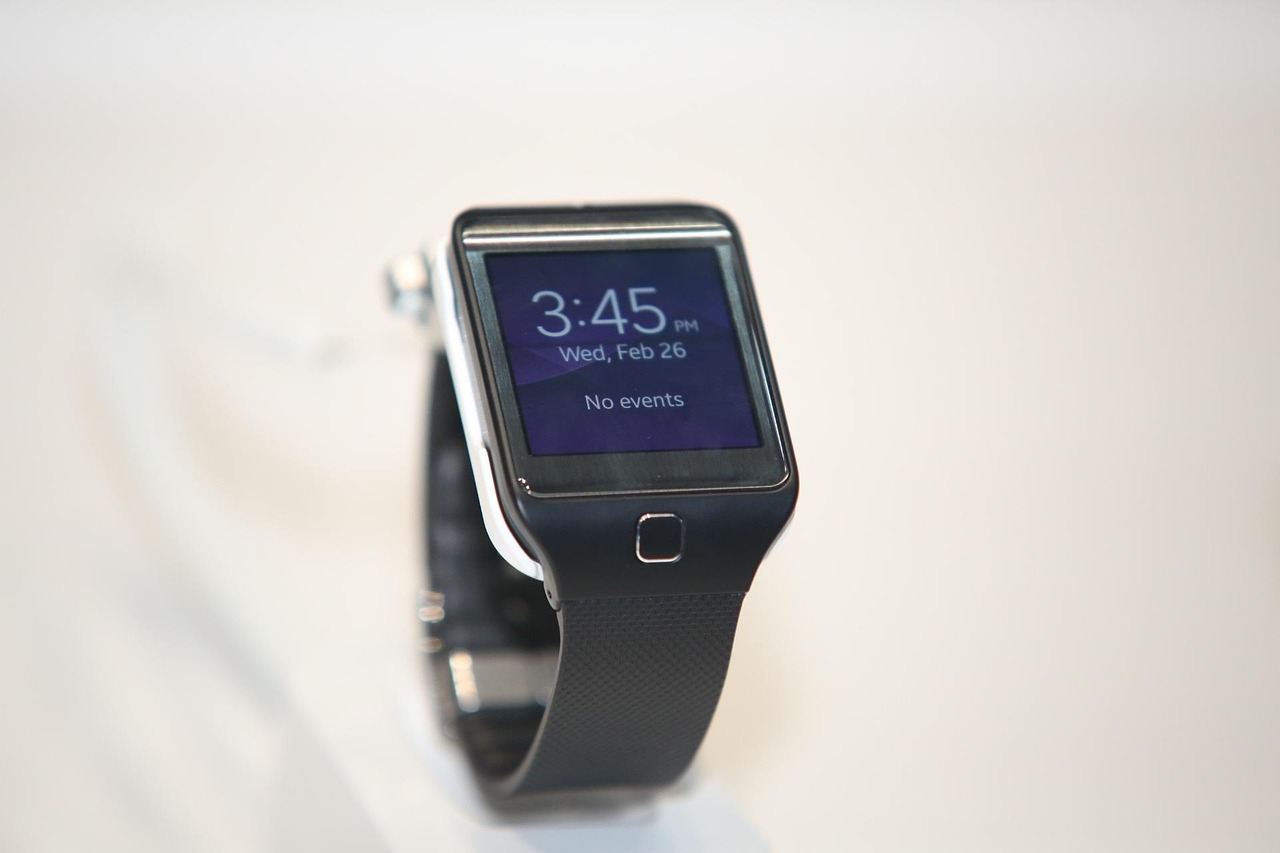

Smartwatches and Personalized Fitness Coaching
Smartwatches have become indispensable tools in the fitness industry, transforming the way we approach personalized fitness coaching. By integrating advanced technology, smartwatches provide users with real-time data regarding their performance, which fosters informed decision-making. One significant aspect is their capacity to monitor health metrics such as heart rate, sleep quality, and calorie expenditure. These metrics are crucial for anyone looking to improve their fitness levels. With the implementation of algorithms, these devices can analyze the data over time, offering insights into progress and tailoring coaching advice accordingly. Personalized fitness coaching through smartwatches means you can receive workout recommendations aligned with your goals. This technology can also notify you about your daily health, ensuring that you remain accountable. Additionally, many smartwatches incorporate social features, allowing users to share achievements and challenges with friends, creating a supportive community. By utilizing smartwatches, individuals can find motivation while engaging with like-minded fitness enthusiasts. Together, these elements create a more effective and individualized fitness journey that extends beyond traditional coaching methods. Smartwatches not only track physical activity but also enhance the overall coaching experience.
As users engage with smartwatches, they benefit from personalized coaching like never before, whether running, cycling, or weight training. Coaches can devise specific fitness plans for users that consider their biometric data gathered over extended periods of engagement. For example, heart rate variability is a significant metric that can determine a user’s readiness for high-intensity workouts. Smartwatches can send notifications or insights when a user is either too fatigued or well-prepared to tackle a rigorous session. Understanding body responses enhances the effectiveness of workouts by enabling smarter training strategies. Furthermore, users can keep track of their progress through diverse functionalities, such as step counting and distance measuring, encouraging them to adhere to their specific goals. This transparency also promotes user engagement, as individuals can visually see improvement over time. With seamless connectivity features included, these gadgets also sync with mobile applications, ensuring all data is collected and analyzed. By understanding individual patterns, personalized coaching through smartwatches could evolve, adjusting in real-time. Coaches can implement changes instantly according to a user’s performance, fostering a dynamic coaching approach. Ultimately, this leads to more attainable goals and encourages long-term commitment to fitness journeys.
Integration of Smartwatch Technology in Coaching
The integration of smartwatch technology in coaching presents an exciting opportunity to redefine how trainers and clients interact. Traditional coaching often relies on manual assessments, which may not reveal the full picture of a client’s progress. With smartwatches, trainers can access data remotely, enabling them to monitor clients’ performance and health metrics in real-time. This improves communication and allows trainers to provide immediate guidance, making coaching much more effective. Moreover, the personalized feedback derived from accumulated data caters to individual needs, allowing adjustments based on performance outcomes. Clients appreciate receiving tailored advice based on their real-time metrics. Consequently, smartwatches have the potential to enhance adherence levels to exercise regimens. Clients feel supported and motivated as they witness progress documented through their smartwatch data. Additionally, users can engage in interactive challenges with their trainers, making workouts more dynamic and enjoyable. Some smartwatches even allow for direct communication between trainers and users, bypassing traditional barriers of distance and scheduling. As a result, clients receive more consistent support and can navigate their fitness journeys intelligently and effectively.
In addition to essential fitness metrics, smartwatches now offer advanced features that enhance the overall coaching experience. Many devices leverage GPS for accurate tracking during outdoor activities, providing detailed feedback on pace and distance traveled. This capability transforms how running and cycling enthusiasts train, allowing them to set specific distance goals and monitor performance trends over time. Another appealing feature is the incorporation of guided workouts, where users can enjoy real-time coaching directly from their wrist. With audio cues and visual prompts, users receive encouragement and cues during exercise, creating an interactive workout experience. Coupled with notifications about hydration and energy consumption, users can ensure they are prepared for each training session. Smartwatches also empower clients to integrate recovery into their fitness plans actively, using sleep analysis metrics to built recovery times. Understanding how to recover allows for improved performance and overall well-being. By promoting a holistic approach to fitness, involving exercise and recovery, smartwatches bridge the gap between technology and personal coaching. Given the rapid development of smartwatch technology, they will undoubtedly play an essential role in the future of fitness coaching.
The Future of Smartwatches in Fitness Coaching
As we look toward the future, smartwatches are poised to revolutionize fitness coaching even further. Innovations in artificial intelligence and machine learning will enhance the personalized experience significantly. By analyzing vast amounts of user data, these devices can predict user needs, training intensity, and recovery times based on patterns recognized from individual metrics. Such predictive capabilities will provide users with recommendations tailored precisely to their biological rhythms, ensuring optimal performance. Furthermore, advancements in biometric sensors will allow for more precise health analytics, including blood glucose levels and hydration status, expanding the scope of personal training. This technological evolution will enable trainers to offer more comprehensive wellness strategies addressing various health aspects rather than focusing solely on fitness. Moreover, integrating smartwatches with other devices, such as home workouts or nutrition apps, creates an all-encompassing fitness ecosystem. Users will have access to training plans, nutritional advice, and recovery strategies, all communicated through their smartwatches. Ultimately, these advancements will lead to more accessible coaching, catering to different fitness levels and enhancing motivation in the broader community.
Incorporating smartwatches into various fitness activities fosters a more enjoyable workout environment. Users can set personalized targets and gain insights into their activity levels throughout the day while tracking specific workouts. This combination encourages people to engage in physical exercise more consistently, as they are aware of their metrics and improvement. The social aspects of smartwatches amplify this motivation; many have built-in community features that allow friends to challenge or support each other through shared goals and competitions. The tracking and monitoring capabilities of these devices enable continuous engagement, helping users celebrate small victories along their journey. This sense of accountability enhances focus and resilience in a fitness program. With many users sharing achievements through apps or social media linked to their smartwatches, individuals can foster connections that provide support and encouragement. Furthermore, user-generated data will shape future coaching methodologies, as more health insights become available through widespread adoption of smart devices. Fitness enthusiasts will continuously evolve their strategies based on collective sharing of data and experiences, which will further enhance the fitness coaching landscape. Overall, these interactive features will redefine personalized coaching as users actively engage with their fitness journeys.
Conclusion on Smartwatches and Fitness
In conclusion, the emergence of smartwatches has dramatically impacted the field of fitness coaching. These devices not only track metrics but also provide personalized coaching experiences that empower users in their fitness journeys. By analyzing real-time data, smartwatches enhance communication between trainers and clients, making goals more manageable and achievable. As technology continues to evolve, the potential for smartwatches to transform coaching methodologies expands. Integrating advanced features will allow trainers to gather pertinent insights and offer timely recommendations tailored to individual preferences. Future innovations will solidify the role of these devices in promoting a healthier lifestyle, ensuring individuals remain focused on their fitness goals. As more people utilize smartwatches, the fitness community will gain valuable insights on performance trends and behaviors, enabling more tailored approaches to fitness coaching. This personalization could prompt a shift toward a more inclusive fitness culture where all individuals can thrive. As we embrace these technological advancements, there will be exciting developments ahead in fitness coaching. Smartwatches promise to shape the future of personalized fitness coaching, delivering accessible and comprehensive support for users.