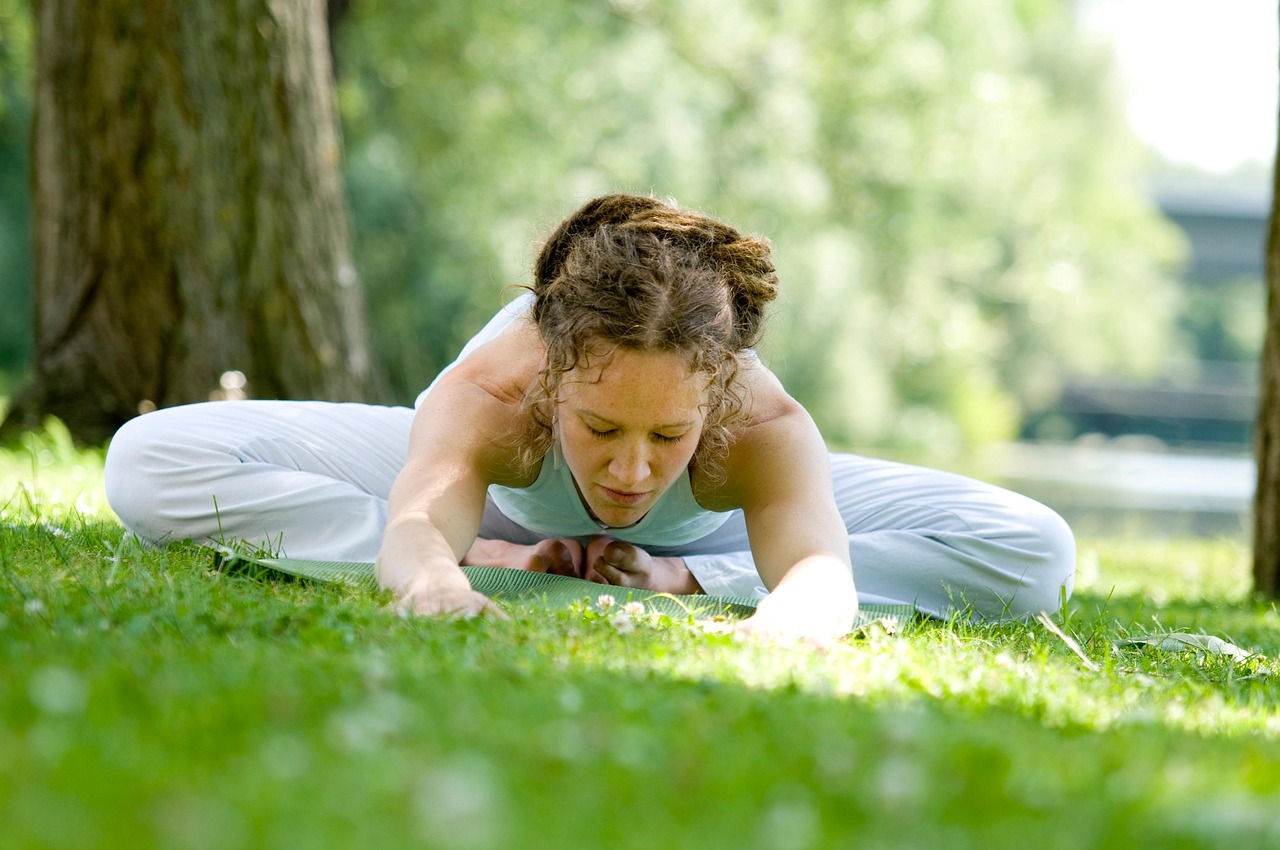

Progressive Muscle Relaxation and Meditation
Progressive Muscle Relaxation (PMR) is an effective technique that combines yoga principles with meditation. This practice focuses on systematically tensing and relaxing each muscle group, promoting physical relaxation. As you engage in PMR, you simultaneously enhance your mindfulness. Begin by finding a comfortable position, either lying down or sitting upright. Close your eyes and take a deep breath. Concentrate on your body and notice where tension resides. You may find certain areas like shoulders or legs are holding stress. PMR encourages acknowledging and releasing these tensions. This process helps create a connection between your mind and body. You become aware of your physical sensations, which fosters a sense of calm and tranquility. By incorporating breathwork, you enhance the relaxation experience. Slowly inhale through your nose and exhale through your mouth. This rhythmic breathing not only aids in muscle relaxation but also deepens your meditative state. As you progress through each muscle group, embrace the calming sensations that follow. With continuous practice, PMR can lead to overall wellbeing, better sleep, and reduced anxiety.
How PMR Facilitates Meditation
PMR serves as a bridge to deeper meditation sessions. When tension is released, the mind becomes less cluttered, paving the way for heightened focus on meditation. By systematically relaxing your body, you diminish distractions that hinder your meditative practice. Meditation thrives on clarity, and PMR provides that clarity through relaxation. Begin with basic exercises targeting major muscle groups, such as legs, abdomen, and arms. Focus on each area for a few seconds, tensing and then releasing. Notice the difference in how your body feels post-exercise. With each tensed release, visualize tension melting away. It’s crucial to be patient with yourself and not rush the process. The goal is to cultivate a fertile ground for meditation. Following PMR, transition into your chosen meditation technique, whether it be mindfulness, loving-kindness, or focused breathing. Allow the calmness developed from PMR to envelop your meditative practice. This synergy between PMR and various meditation styles can deepen your experience. Regular practice of both techniques together will likely enhance your skill in achieving deeper states of consciousness and relaxation.
The combination of Progressive Muscle Relaxation and meditation enhances mental clarity. By addressing physical tension first, you create a conducive environment for mental stillness. When your body is relaxed, your mind tends to follow suit. Start with breathwork, allowing it to guide you into a PMR session. Inhale deeply, then tense your muscle groups while holding your breath for a count of seven. Release the muscles and exhale, sensing waves of relaxation spread through your body. Repeat this for various muscle groups, ensuring you focus on each one. After completing PMR, settle into your meditation posture. You may wish to focus on your breath or a mantra. The calm you cultivated through PMR allows for a profound meditative experience. Pay attention to the mental clarity that emerges as you practice. Many individuals report insights and heightened awareness through this synergy. This practice is not only beneficial for reducing stress but also fosters emotional balance and resilience. Over time, you may find that this combination becomes an essential part of your wellbeing routine, facilitating your personal growth on numerous levels.
Benefits of Integrating PMR into Meditation
Integrating PMR into your meditation routine yields numerous benefits, both tangible and intangible. One prominent effect is the reduction of stress levels. PMR helps lower cortisol, the stress hormone, leading to a more serene mental state. Furthermore, this technique enhances your ability to manage anxiety. As you become more attuned to physical sensations, you learn to approach discomfort with greater ease. Additionally, PMR improves sleep quality. Individuals experiencing insomnia often benefit from PMR techniques before bedtime, allowing their bodies to unwind from daily stresses. With improved sleep, cognitive functions such as memory and concentration also see positive changes. Incorporating these practices fosters emotional resilience, empowering individuals to face challenges. You might find improvements in your interpersonal relationships, as increased calmness leads to better communication. Lastly, combining PMR and meditation can impact physical health positively. Studies suggest that consistent practice enhances immune function, resulting in overall vitality. Embrace this holistic approach to enhance not only your meditative experience but ultimately, your holistic health.
As with any practice, setting a consistent schedule for PMR and meditation amplifies your results. Designate specific times during your day to engage in these techniques. Many individuals find it beneficial to practice during early mornings or just before sleep. Choose a quiet environment that minimizes distractions and encourages focus. You may consider utilizing guided meditation apps or online resources dedicated to PMR practices. As you progress, adjust the length of your sessions based on your comfort level. Initially, you may start with shorter sessions of 10-15 minutes, gradually increasing them as you build familiarity. Consider trying various positions in which to practice these techniques. Some may prefer lying down, while others may find sitting more conducive. Experiment with what feels right for your body and mind. Finding a posture that permits deep relaxation is essential for successful practice. Remember to allow yourself grace throughout this journey. The path to mastering PMR and meditation takes time, patience, and dedication.
Final Thoughts on PMR and Meditation
In summary, Progressive Muscle Relaxation enhances your meditation journey significantly by setting the stage for deeper mindfulness. Engaging in PMR helps to ground you, connecting your mental state with physical sensations. This interconnectedness promotes a more profound state of awareness. As you cultivate this practice, observe how it transforms your relationship with stress and anxiety. Many report feeling lighter, more balanced, and in tune with their emotions. The bridge between body and mind created through PMR offers a pathway to improved mental health. Embrace this technique as a valuable tool for navigating life’s challenges. As you become proficient in PMR, consider exploring additional meditation techniques to expand your practice further. Each new technique learned can contribute uniquely to your experiences. Remember that progress takes time and dedication, and it’s essential to be gentle with yourself throughout the process. With commitment, the combination of PMR and meditation can lead to remarkable transformations in your life, fostering lasting peace and wellness. Make it your mission to prioritize both techniques, enhancing the quality of your daily experiences and cultivating deeper self-awareness.
Finally, engaging with community resources can enrich your practice. Consider joining local classes or online forums dedicated to PMR and meditation. Sharing experiences and learning from others fosters connection and motivation. Many individuals find it inspiring to witness others’ journeys; it can encourage them on their own. Reading literature on these practices can also deepen your understanding and knowledge. You may discover innovative approaches or experiences that resonate with you personally. Seek out supportive communities, both online and offline, where collective wisdom offers insights into these techniques. Regularly revisiting your purpose for practicing PMR and meditation can reignite your passion and determination. As you immerse yourself, you’ll likely notice greater clarity and confidence in your practices. Committing to this journey not only enhances your skills but also enriches your personal growth. Remember to celebrate milestones, no matter how small, on your path of self-discovery through PMR and meditation. Each step taken towards mindfulness enhances your overall wellbeing and quality of life, which is the ultimate goal of these transformative practices.
This is a concluding reflection regarding the practice of Progressive Muscle Relaxation and meditation, emphasizing the integration of these techniques. Setting time aside for such practices helps when fostering personal commitment and accountability. With daily or weekly goals, keep track of your progress in a journal dedicated to your experiences. Witnessing your journey can motivate you to continue. Establish short-term milestones, perhaps learning a new technique or increasing the duration of your sessions. Cultivating self-discipline while also allowing for flexibility can strike a balance that promotes consistent engagement. This reflective practice adds depth to your journey of relaxation and meditation. Sharing insights with friends, family, or like-minded communities strengthens connections and enriches your practices. Ultimately, embracing PMR and meditation leads toward deeper self-awareness. While the path to mastery takes time, patience will be your ally throughout this transformative process. As you build upon the foundation laid through PMR, explore a myriad of meditation techniques that expand your personal practices. Your journey does not end but evolves, enabling new beginnings through relaxation and mindfulness.