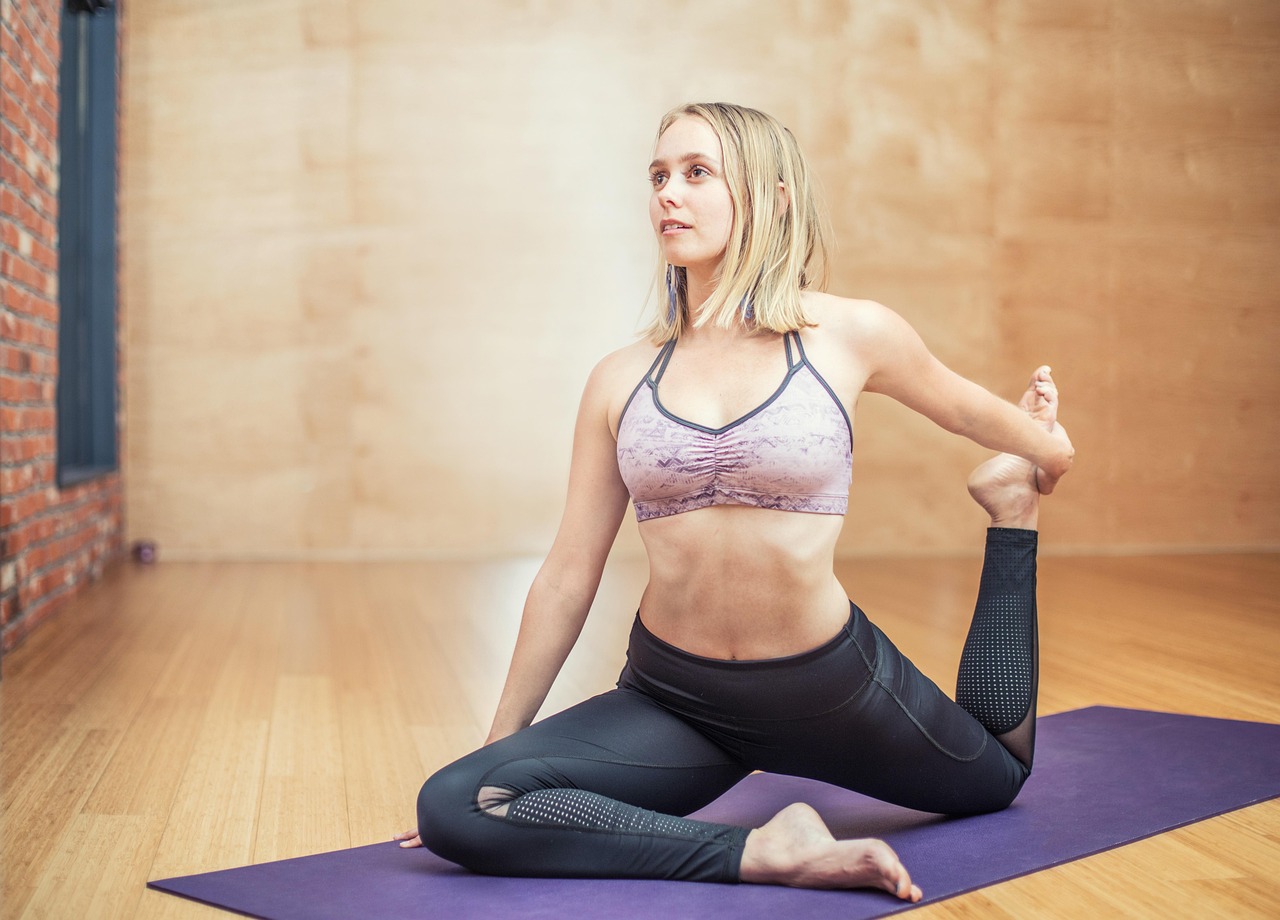

Pilates and Its Effects on Coordination and Body Awareness
Pilates is a form of low-impact exercise that centers around enhancing flexibility and strength while also emphasizing body awareness. It is particularly effective for improving proprioception, which is our body’s ability to sense its position in space. Through a variety of controlled movements, Pilates encourages individuals to develop a better understanding of their body mechanics. This awareness can lead to enhanced balance and coordination, crucial elements for overall fitness and daily functional activities. The practice of Pilates involves precise movements that require concentration, control, and alignment, fostering a greater connection between the body and mind. As practitioners engage in exercises, they become more aware of their body’s capabilities and limitations. This heightened proprioception can positively affect other physical activities, as individuals learn to move efficiently. Pilates also caters to people at different fitness levels and can be modified to meet each individual’s unique needs. Whether you’re a beginner or an experienced athlete, Pilates provides a platform to develop a stronger and more coordinated body, ultimately enhancing performance in other sports and activities.
One of the most crucial aspects of Pilates is its focus on core stability, which plays a significant role in enhancing overall coordination. A strong core supports and stabilizes the entire body during movement, leading to improved control and balance. Furthermore, Pilates exercises are designed to integrate the major muscle groups, teaching the brain to coordinate movements more efficiently. This integration can be beneficial for people engaged in a variety of physical pursuits, as it allows for smoother transitions between movements. Developing core strength through Pilates promotes better posture, which is essential for optimizing movement efficiency. As practitioners work on their balance and control, they may also experience reduced risks of injuries caused by improper alignment during physical activities. Moreover, the emphasis on breath control during Pilates further enhances body awareness. Learning to synchronize breathing with movement encourages relaxation and promotes better focus, enabling individuals to execute exercises with precision. This breath-movement connection is vital in achieving higher levels of coordination and proprioception, ultimately leading to improved overall physical performance.
Enhancing Proprioception Through Pilates
Proprioception plays a vital role in our ability to move through space efficiently. Pilates trains proprioceptive skills through various exercises that engage different muscle groups while challenging balance. For instance, standing balances and single-leg exercises require significant coordination and awareness to maintain stability. This process forces the body to communicate better with the brain, refining its ability to gauge positioning and movement. Over time, regular Pilates practice can result in heightened sensory awareness, allowing individuals to respond quickly and efficiently to various physical challenges. Furthermore, Pilates often incorporates equipment such as reformers and stability balls, which provide unique challenges to proprioception. By working against resistance and stability variations, the body learns to adapt to different physical situations while maintaining control. Consequently, individuals become more adept at managing their bodies in dynamic environments. This enhanced proprioception not only aids in daily activities but can also improve performance in sports by fostering better agility and responsiveness. Ultimately, Pilates serves as an effective tool for refining proprioceptive skills, paving the way for improved balance and coordination in various physical endeavors.
The integration of breath in Pilates is essential for developing body awareness and coordination. By focusing on diaphragmatic breathing, individuals learn to engage their core muscles while moving. This practice reinforces the connection between mind and body as practitioners become more sensitive to their body’s needs. Inhaling and exhaling with intention can help to create a deeper awareness of how movements feel and how they affect overall balance. When combined with the controlled movements of Pilates, breath becomes a powerful tool for enhancing coordination. This combination also promotes relaxation, allowing for greater concentration on movement quality rather than quantity. The emphasis on breath serves to anchor participants in the present moment, reducing the likelihood of injuries caused by distractions or improper form. Enhanced body awareness through breathing allows individuals to better understand how their muscles work together during physical activities. Furthermore, this focus can enhance performance in other sports, as individuals apply their newfound awareness while engaging in various movements. The relationship between breath, body awareness, and coordination demonstrates the comprehensive benefits that Pilates offers to practitioners at all levels.
The Impact on Daily Life Activities
Incorporating Pilates into a regular fitness routine brings significant advantages to everyday life. Enhanced coordination and body awareness gained through Pilates can improve how individuals perform daily activities. Simple tasks such as carrying groceries or climbing stairs often require balance and proprioceptive skills. By practicing Pilates, individuals become more adept at executing these movements with increased efficiency and reduced risk of injury. Improved body mechanics derived from Pilates can enhance the quality of life, allowing for greater independence in activities that require physical effort. Moreover, the awareness cultivated through Pilates can help individuals recognize and correct poor postural habits that evolve during daily routines. Addressing these habits is crucial for avoiding chronic pain or discomfort often seen in sedentary lifestyles. Additionally, enhanced coordination skills can translate into better performance in other physical pursuits, whether in sports or recreational activities. As individuals become more confident in their movement capabilities, their overall enjoyment of physical activities may increase. The benefits of Pilates extend beyond the studio, enriching various aspects of life and cultivating a more physically engaged lifestyle.
Many athletes incorporate Pilates into their training regimens due to the significant benefits it provides for coordination and body awareness. As a complementary exercise technique, Pilates helps improve performance by strengthening the core and enhancing flexibility. These qualities are instrumental for athletes in any sport, as they require proper body alignment and control during their performances. For example, dancers often rely on precise movements where coordination is paramount, and Pilates assists them in executing these movements with greater ease. In sports like football or basketball, improved body awareness leads to better agility and reaction times, allowing for enhanced gameplay. Moreover, the injury prevention aspect of Pilates cannot be overstated; athletes who engage in this practice often experience fewer injuries due to improved strength and conditioning. As athletes learn to move efficiently and with stability, their ability to adapt their movements to shifting circumstances increases. This adaptability is essential in competitive environments, where quick decisions must be made under pressure. Thus, Pilates stands as a vital component for athletes striving to enhance their performance while mitigating injury risks during training and competitions.
Final Thoughts on Pilates and Body Awareness
Pilates is more than just a fitness trend; it is a holistic approach that fosters enhanced proprioception and coordination. Practicing Pilates equips individuals with valuable tools to refine their body awareness and connection, resulting in improved balance and performance in daily and athletic endeavors. By emphasizing controlled movements that engage various muscle groups, Pilates educates practitioners on how to move efficiently while minimizing strain and injury risks. The combination of breath, movement, and core engagement culminates in a workout that not only strengthens the body but also enhances mental focus and relaxation. Additionally, Pilates promotes a heightened sense of confidence as individuals become more aware of their bodies and capabilities. This self-awareness spills into other areas of life, inspiring individuals to pursue new activities and athletic challenges. Whether you are a seasoned athlete or someone seeking to improve your daily physical function, Pilates offers a powerful tool for enhancing coordination and body awareness. The practice fosters a lifelong appreciation for movement, enabling each individual to explore their physical potential while maintaining overall well-being.
Ultimately, adding Pilates to your fitness routine can transform your relationship with your body and enhance your overall bodily awareness. By prioritizing movement that respects your body’s capabilities and limits, you instill a greater understanding of physical health and well-being. Regular Pilates practice encourages patience, mindfulness, and consistency. This practice not only facilitates better coordination and proprioception but also fosters a sense of community among practitioners. Whether engaging in group classes or personal sessions, individuals share their experiences, creating supportive environments that enhance motivation. Through consistent practice, you can learn to celebrate achievements—small or large—as you witness growth in your coordination and movements. The benefits of Pilates extend well beyond the mat; they seep into various aspects of life, making everyday tasks easier and more enjoyable. Encouraging individuals to listen to their bodies fosters a more profound respect for one’s physicality, promoting healthier lifestyle choices. Ultimately, Pilates serves as a gateway toward achieving a harmonious balance between strength, flexibility, and body awareness. With its focus on precision and control, Pilates stands out as a transformative practice that enhances coordination and empowers individuals to engage more fully in their lives.