
Kettlebell Drills to Improve Athletic Performance at Home
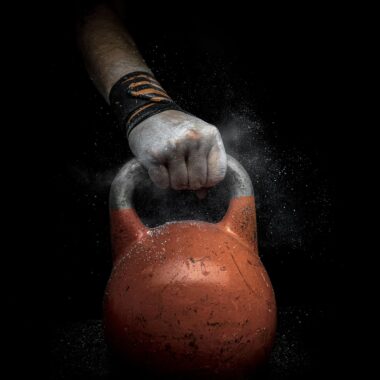
Incorporating kettlebell exercises into your home routine can significantly enhance your athletic performance. These versatile weights help in developing strength, endurance, and flexibility. Whether you are an amateur athlete or a seasoned competitor, kettlebell training is adaptable to various skill levels. One key benefit of kettlebells is their ability to train multiple muscle groups at once. Exercises like the kettlebell swing work both your upper and lower body simultaneously. This not only saves time but also increases the efficiency of your workout. When performing kettlebell drills, focus on refining your technique to gain the maximum advantage. Always ensure you maintain proper posture to avoid injury while maximizing the effectiveness of each exercise. For beginners, starting with a lighter weight can help you master the foundational movements before progressing to heavier kettlebells. To truly reap the benefits, a consistent workout schedule is essential. Aim for three to four sessions per week, gradually increasing the intensity and complexity of your workouts. With patience and dedication, kettlebell workouts at home can lead to significant improvements in your athletic performance.
Benefits of Kettlebell Exercises
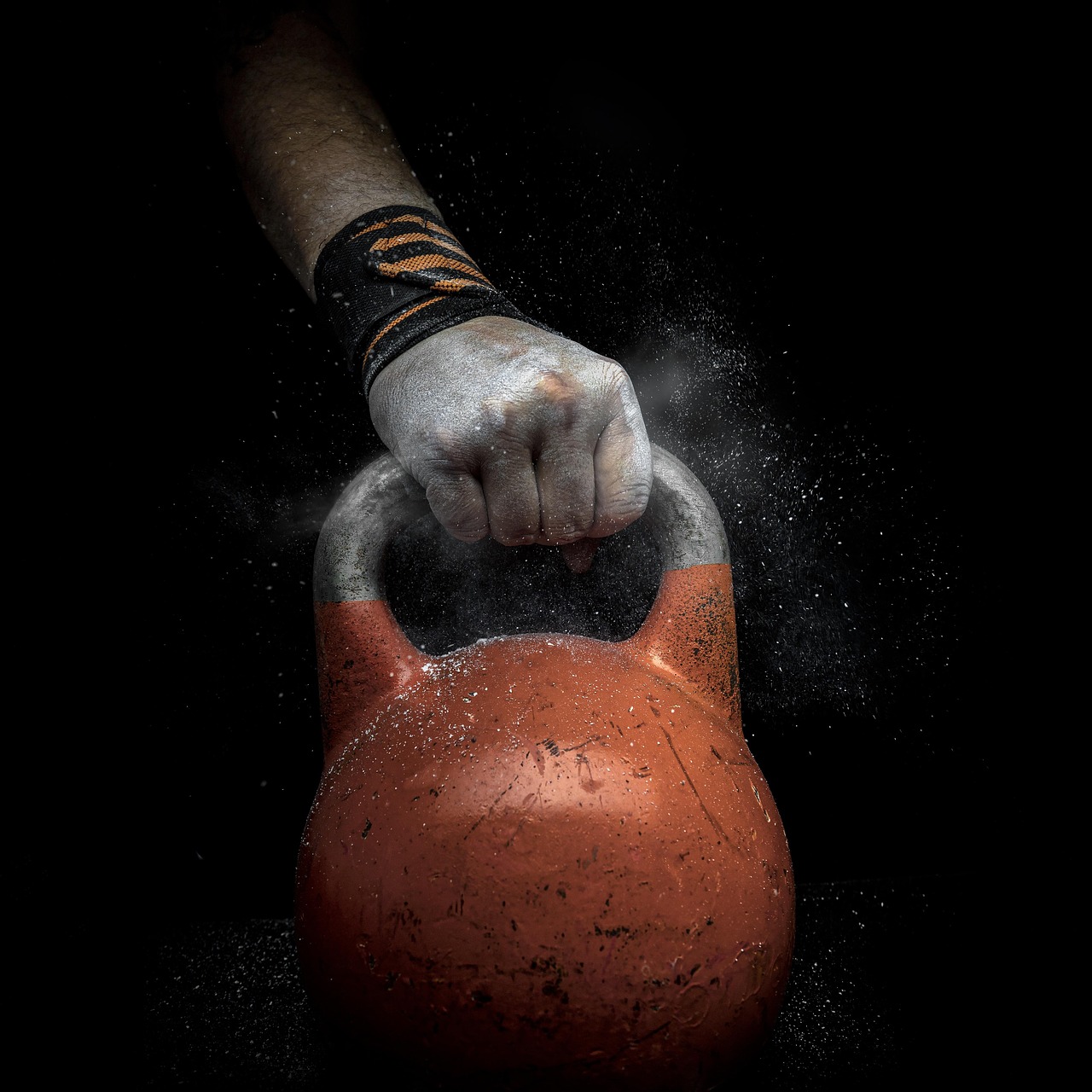
Kettlebell workouts provide numerous benefits vital for athletic performance enhancement. They build strength, improve coordination, and boost cardiovascular endurance. When performed correctly, kettlebell drills can increase your metabolic rate, helping you burn more calories during and after the workout. This efficiency makes them an excellent addition to your fitness routine. Moreover, kettlebell exercises also enhance grip strength, which is crucial for many sports. Activities like rock climbing, powerlifting, and martial arts require a firm grip for optimal performance. Another unique advantage of kettlebell training is that it enables functional strength development, which translates well into athletic performance. Functional strength means better performance in real-life applications and sports activities. Additionally, these exercises promote core stability and balance, reducing the risk of injuries during athletic competitions. Kettlebell workouts can also improve your agility and flexibility, both of which are essential attributes for athletic success. As you work through various kettlebell exercises, engage muscles in ways that traditional workouts may not, offering a comprehensive conditioning program. Ultimately, committing to a kettlebell routine enhances your overall physical capabilities.
Before diving into specific kettlebell drills, it’s crucial to consider safety and proper warm-up techniques. Injury prevention is vital to ensuring you can maintain a consistent workout regimen. Begin each session with dynamic stretches to prepare your muscles. Warm-up exercises like arm circles, leg swings, and torso twists help increase blood flow, reducing the likelihood of strain. Familiarizing yourself with the kettlebell’s grip and movement patterns can also set the stage for effective workouts. When starting any kettlebell exercises, prioritize mastering the basic form to develop muscle memory. Misalignment can lead to injuries, making it imperative to closely monitor your movements. As such, consider engaging a professional trainer for your initial kettlebell workouts. They can help ensure proper form and reduce the risk of injury significantly. As you advance, remember to listen to your body and allow adequate recovery time. Your body needs to regenerate, especially when performing strenuous kettlebell drills repeatedly. Balancing workout intensity with rest is essential for sustaining long-term athletic performance improvements.
Essential Kettlebell Drills
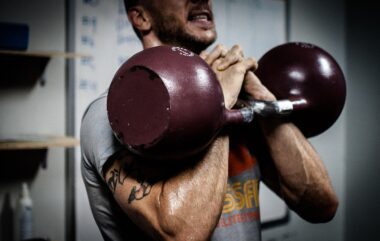
Several essential kettlebell drills can significantly boost athletic performance, starting with the kettlebell swing. This explosive movement increases power and utilizes the hips for generating momentum. Proper technique is crucial when performing swings; otherwise, you may risk injury. The next exercise to incorporate is the kettlebell snatch. This full-body movement helps develop explosive strength and improves grip and shoulder stability. It’s particularly beneficial for athletes requiring upper body power. Another key drill is the Turkish Get-Up, which improves coordination, balance, and core strength. This complex movement emphasizes the importance of form and focusing on slow, deliberate action. Additionally, the kettlebell goblet squat aids in building leg strength while promoting good posture. This exercise is excellent for developing the lower body and engaging the core. The kettlebell press is another fantastic addition, targeting the shoulders and triceps. As you progress, feel free to incorporate more complex movements or combinations that challenge your entire body. To maximize benefits, create a routine combining multiple kettlebell exercises to target different muscle groups effectively.
When structuring a kettlebell workout, consider the principles of progressive overload. This concept should guide your workout regimen as it involves gradually increasing weights and difficulty levels. Start with lighter kettlebells to master techniques, then systematically increase the weight as you grow stronger. Consider setting specific challenges for yourself to spur growth and development. For example, aim to increase repetitions, reduce rest time between sets, or perform more complex drills. Tracking your progress in a fitness journal or app can be highly beneficial. Note the weights used, repetitions completed, and how you felt during each workout. This strategy keeps you motivated and accountable. Further, ensure you vary your workouts; this can prevent boredom and stimulate muscle growth by introducing new challenges. Utilize interval training methods to enhance cardiovascular fitness while building strength. For example, alternating between high-intensity kettlebell exercises and brief periods of rest can keep your workouts fresh. Establish clear fitness goals based on your specific athletic aims, and adapt your workouts accordingly. Achieving visible results will motivate you to remain committed to your kettlebell training schedule.
Integrating Kettlebell Training into Your Routine
Integrating kettlebell training into your fitness routine is an excellent way to bolster athletic performance. Aim to align your workouts with your sports-specific training. For instance, if you are training for a competition, focus on drills that enhance the skills required for that sport. Additionally, try to schedule these workouts strategically around your existing training sessions. Include kettlebell training 2-3 times per week for optimal results. Allow sufficient recovery periods, particularly between high-intensity kettlebell workouts and sports training. This method will ensure muscle recovery and prevent burnout. It’s also beneficial to incorporate kettlebell training on cross-training days to maintain your overall fitness without focusing on one discipline. Feel free to combine kettlebell exercises with bodyweight workouts, running, or cycling for a comprehensive gym routine. Moreover, consider collaborating with peers for encouragement and motivation as you work out. Joining a kettlebell class or online group can provide valuable experience and foster a sense of community and support. When you have accountability, it is easier to stay consistent and committed to your fitness goals.
In conclusion, kettlebell exercises offer an effective method for enhancing athletic performance at home. Their versatility makes them suitable for all fitness levels and they can advocate strength, coordination, flexibility, and overall physical conditioning. By incorporating kettlebell drills into your workouts, you can develop functional strength and improve cardio fitness, which translates directly into better performance in your sports endeavors. Prioritize safety and focus on mastering the appropriate techniques, and gradually challenge yourself as you progress. Remember to monitor your form at all times to minimize the chances of injury. Equally, ensure proper recovery to keep your body in top condition for both training and competition. Establish a routine that integrates kettlebell drills alongside other training modalities for a balanced fitness program. By setting realistic goals, tracking your progress, and connecting with others, your kettlebell training can become more enjoyable and result-driven. Ultimately, through dedication and effort, you will notice visible improvements in your athletic performance and overall physical capabilities, making kettlebells an invaluable addition to your workout toolset.