
Incorporating Static Balance into Martial Arts Training
Martial arts training encompasses various aspects of physical fitness, including balance and coordination. Static balance exercises are essential for martial artists as they enhance stability and control during movements. By integrating these exercises into a training regimen, martial artists can improve their overall performance and technique. The practice of static balance requires a solid foundation, focusing on holding specific positions for extended periods. This often entails using different stances, providing the opportunity to engage various muscle groups while reinforcing core stability. Moreover, mastering static balance directly translates to improved dynamic balance, which is critical in martial arts for executing swift techniques without compromising stability. A well-rounded routine that includes static balance exercises will complement other skills required in martial arts, fostering a deeper connection between body and mind. This connection is vital for understanding the importance of balance during sparring sessions or kata practice. Incorporating static balance training not only aids in performance but also helps with injury prevention, ensuring that martial artists can train safely and effectively for their longevity in the sport. Static balance exercises are a cornerstone for any serious martial artist aiming for excellence.
To implement static balance exercises into martial arts training, coaches should start by assessing the current abilities of their practitioners. This assessment identifies individual balance deficiencies and establishes a baseline for improvement over time. Once this baseline is set, practitioners can begin with simple exercises like standing on one leg or using a balance board. These exercises help develop proprioception, which is the body’s ability to sense its position in space. Progressing to more challenging static balance positions allows for a gradual increase in difficulty. Incorporating static balance challenges with various durations can keep training interesting and engaging. For martial artists, techniques such as tree poses or warrior stances not only build strength but also instill focus and mental discipline. Alongside physical benefits, these exercises foster an understanding of body control, essential for executing techniques with precision. Moreover, the psychological aspect of maintaining balance under pressure cannot be overlooked. The more time spent mastering static positions, the better a martial artist can react adaptively in dynamic situations, translating to improved performance during competitions or sparring matches.
Benefits of Static Balance Training
Static balance training offers numerous benefits that extend beyond mere stability. For martial artists, specifically, its advantages become increasingly evident as practitioners develop both strength and awareness of their movements. Improved static balance enhances posture, ensuring that martial artists maintain alignment during strikes and defensive maneuvers. Furthermore, enhanced core strength from these exercises results in greater force generation during techniques, allowing for more impactful strikes. As practitioners become adept at maintaining balance in a static position, they also experience a boost in their mental resilience. This mental focus becomes vital when transitioning from static to dynamic practice, particularly in high-pressure environments. In addition, static balance exercises serve as a preventive measure against injuries caused by falls or missteps while training. Importantly, they provide feedback on muscle imbalances that might hinder performance, highlighting the importance of corrective exercises tailored to the individual athlete. Ultimately, the integration of static balance exercises fosters an environment of holistic growth that advances both physical abilities and mental fortitude. As such, martial artists should prioritize this component of their training to achieve optimal results.
To maximize the effectiveness of static balance exercises within martial arts training, practitioners can incorporate visualization techniques. Visualizing success during balance exercises helps cultivate a strong mental image that translates to physical performance. It is crucial to align visualization with physical practice for consistent improvement. Additionally, varying the environments in which practitioners train can lead to diverse challenges for their balance skills. Training outdoors on uneven surfaces or indoors under varied lighting conditions can enhance adaptability and focus. As martial artists progress in their training, they can also explore utilizing props, such as balance discs or stability balls, which introduce an element of instability—challenging their static balance in innovative ways. Developing awareness of breathing during static exercises further aids in enhancing focus and concentration. Moreover, pairing balance exercises with martial arts movements allows for comprehensive workouts that build both skills effectively and efficiently. The exploration of balance during different stances also encourages a deeper understanding of the physics involved in martial arts. By making static balance exercises a specialized focus, practitioners can enjoy continuous personal growth that heightens their overall martial arts experience.
Common Static Balance Exercises
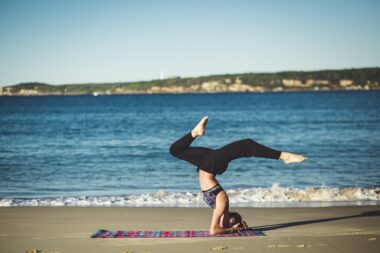
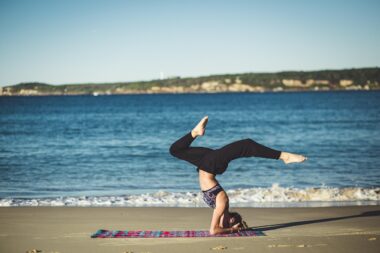
Many static balance exercises can be easily integrated into regular martial arts training. One of the most recognizable exercises is the single-leg stand, where the practitioner stands on one leg while raising the opposite knee to a comfortable height. This challenging position helps strengthen the supporting leg and improve proprioception. Another effective exercise is the tree pose, commonly known in yoga, which enhances balance through the act of grounding one foot against the supportive leg. Incorporating kicks or punches while holding the pose challenges balance further, making the practice exciting. The use of a Bosu ball can also add diversity; standing on the rounded side trains the stabilizing muscles more dynamically. Furthermore, balancing on a foam pad requires high levels of concentration, reinforcing the mind-body connection vital for successful martial arts training. Another great option involves holding a horse stance for an extended period, which builds endurance while promoting effective balance techniques. Practitioners can utilize mirrors to receive instant feedback on their stances, allowing adjustments for optimum performance. These exercises offer diversity while fostering strength, stability, and a greater awareness of the practitioner’s abilities.
Consistency plays a crucial role in developing static balance skills. To effectively incorporate these exercises, martial artists should aim to practice them regularly, ideally several times a week. Progress tracking is essential, as athletes need to see their growth over time to stay motivated. Coaches and practitioners can create a structured training schedule that includes a balance segment within each session. Additionally, it may be beneficial to hold balance-focused training days to concentrate primarily on static exercises. As static balance proficiency improves, practicing more complex routines should be introduced gradually to challenge adaptability. Setting specific goals aligned with the practitioner’s martial arts aspirations heightens engagement and accountability. Having a training partner can also enhance the experience, as partners can provide support and encouragement while assessing each other’s performances. Support and constructive criticism from fellow martial artists can be beneficial for motivation and commitment to improving balance over time. Ultimately, establishing a system that embeds static balance practice into martial arts training leads to profound benefits and remarkable growth for each athlete in terms of skill and confidence.
Conclusion
Incorporating static balance exercises into martial arts training is crucial to enhancing overall performance and injury prevention. Through consistent practice, these exercises yield remarkable physical and psychological benefits, contributing significantly to an athlete’s journey toward mastery in martial arts. From developing strong core muscles and improving posture to fostering mental resilience under pressure, static balance exercises empower martial artists on multiple levels. By embracing these practices, martial artists can enrich their training sessions, leading to heightened awareness of stability and coordination. Additionally, static balance serves as a foundational element for mastering more complex techniques, building a solid base to refine all aspects of martial arts effectively. Over time, athletes will notice a direct correlation between their commitment to static balance training and improvements in their techniques, flow, and overall confidence. With the ability to adjust to different static positions, practitioners will experience enhanced versatility in their martial arts repertoire. Ultimately, static balance exercises become essential tools for every martial artist seeking excellence. Committing to their practice ensures growth, resilience, and a sense of accomplishment within the martial arts community.
In summary, integrating static balance training into martial arts offers multifaceted benefits, vital for practitioners aiming to elevate their skills. Combining strength, stability, and mental focus through these exercises enriches overall martial arts training. Therefore, static balance training should be a dedicated focus, allowing martial artists to nurture these fundamental skills over time. Utilizing diverse exercises ensures practitioners remain engaged and remain committed to their development and overall well-being.