
Green Spaces and Their Role in Promoting Adaptive Fitness
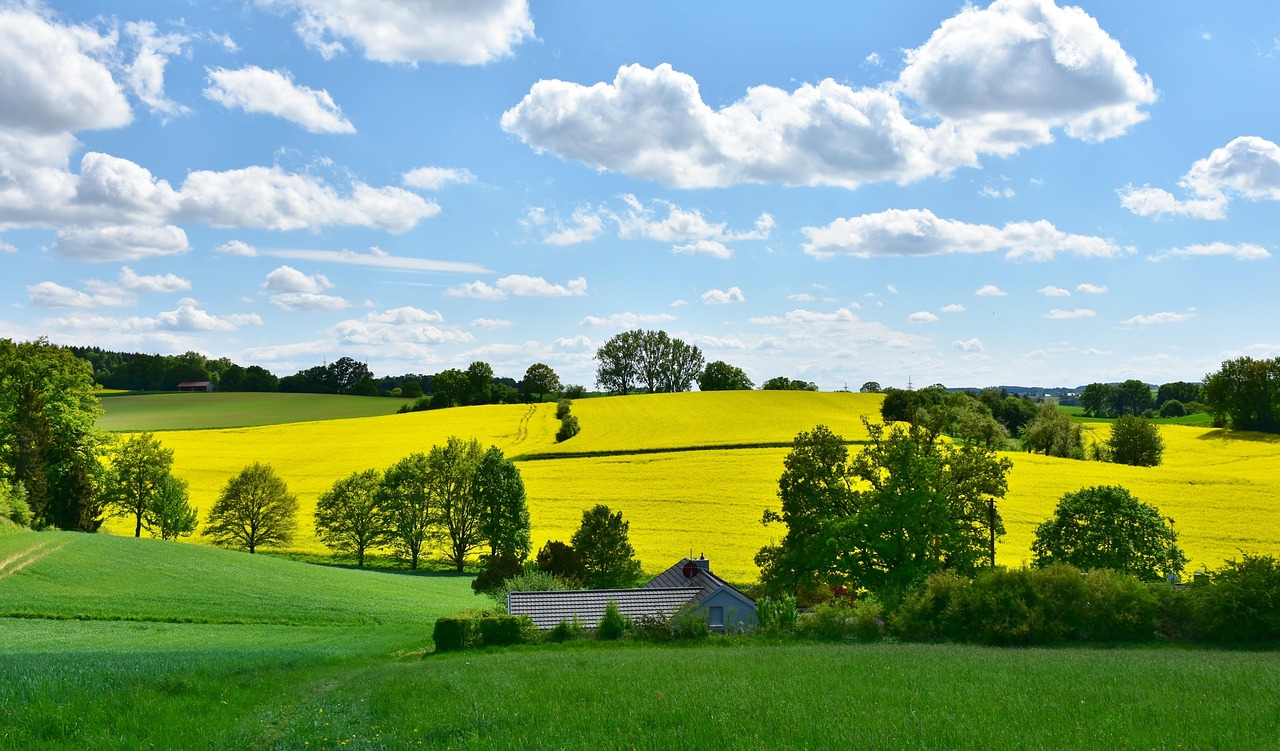
Green spaces are essential environments for everyone, but particularly for individuals with disabilities seeking adaptive fitness opportunities. These areas, such as parks and gardens, provide open space for exercise, relaxation, and social interaction. For people with disabilities, engaging in physical activities within natural settings has numerous benefits. Accessible pathways and flat terrain facilitate easy movement. Enhanced physical activity can lead to improved strength, stamina, and balance, which are crucial for adaptive fitness success. Additionally, green spaces reduce anxiety and stress levels, which can be pivotal for individuals with disabilities. The presence of flora and fauna creates a calming atmosphere, encouraging participation in activities like walking or yoga. Community programs often utilize these areas to offer adaptive fitness classes, ensuring inclusivity. Such initiatives enhance community ties while promoting mental well-being and physical health. A well-maintained green space can also encourage individuals to explore activities like gardening, which further promotes fitness in a non-traditional manner. Investing in accessible green spaces can create limitless opportunities for adaptive fitness among those with disabilities, enriching lives through nature-centered engagement.
Beyond mere aesthetics, green spaces serve as practical venues for various adaptive fitness activities that cater to different abilities. Utilizing natural terrains can inspire innovative fitness programs. Structured outdoor group classes can include adaptive yoga, tai chi, or even interactive workout sessions. These classes allow participants to concentrate on physical rehabilitation and social engagement simultaneously. Collaborating with local organizations can lead to customized programs that reflect community needs. Local governments can play a role by funding facilities and ensuring accessibility within these spaces. Effective design considers wheelchair pathways, suitable benches, and rest areas, enhancing comfort for all users. Furthermore, providing accessible fitness equipment within green spaces can promote individual exercise. Equipment like adaptable swings, exercise stations, or even sensory pathways can encourage active participation. Accessibility not only increases physical wellness but elevates community engagement. Engaging with nature can enhance motivation and adherence to fitness routines. Thus, green spaces can be adapted to fulfill diverse fitness needs, contributing to community health initiatives by promoting engagement. This can significantly improve quality of life for individuals with disabilities through socialization, physical activity, and recreational opportunities.
The Psychological Benefits of Nature
The positive psychological effects of spending time in nature are well-documented. For individuals with disabilities, exposure to greenscapes can notably enhance mental health and emotional well-being. Natural environments encourage relaxation and reduce stress and anxiety, making them essential for adaptive fitness. Engaging with nature can lead to improvements in mood and self-esteem, vital components of successful fitness journeys. Green spaces provide sensory stimulation that positively influences the psyche, making activities more enjoyable and fulfilling. These environments can foster social inclusion by creating opportunities for interaction with others. Group activities in nature, such as walking or team sports, can help individuals with disabilities develop friendships and combat feelings of isolation. This aspect is particularly crucial since social connections contribute significantly to mental health. Therefore, regular visits to parks or natural areas can be restorative for the mind as much as for the body. Therapy animals are also common in these settings, providing comfort and encouragement. As individuals participate in adaptive fitness activities in green spaces, they find empowerment that extends beyond physical advantages, profoundly impacting their overall mental patient well-being.
Moreover, various community partnerships can enhance the adaptive fitness experience in green spaces. Organizations focusing on disability rights and health can collaborate with local governments to promote awareness and participation. They can provide training for fitness instructors to ensure they are equipped to support participants with diverse abilities. Workshops and outreach programs can educate the community about inclusivity and the significance of green spaces for adaptive fitness. These collaborations may result in various community events and competitions tailored to individuals with disabilities. Organizing inclusive races or fitness challenges in local parks can encourage participation and foster a sense of belonging. Successful community events can inspire local companies to sponsor initiatives, providing crucial resources and recognition. Additionally, engaging local schools in adaptive fitness programs can raise awareness from an early age. When children witness inclusive fitness practices, they will be more likely to advocate for and participate in adaptive fitness opportunities. Promoting these initiatives positions green spaces as vital centers for wellness, encouraging healthier lifestyles through community collaboration and increased awareness of adaptive fitness needs.
Designing Accessible Green Spaces
Creating accessible green spaces is a crucial endeavor for promoting adaptive fitness among individuals with disabilities. Local planners and architects should ensure that these areas cater to all abilities. Developing and maintaining suitable pathways for wheelchairs and mobility devices is a foundational element of accessibility. Increasing pathways can create a seamless experience, allowing for networking possibilities between different sections of a park. Additionally, tactile maps and signage can enhance navigation through these spaces. Important features include benches with back support and accessible drinking fountains. Incorporating sensory gardens and interactive installations can stimulate engagement, drawing individuals into fitness routines. Engaging with community stakeholders ensures diverse needs are met within these designs. Continuous feedback from users with disabilities can influence future improvements and ensure the space remains relevant to community wants. Events can be hosted to engage the community and gather input on how accessible designs will facilitate fitness journeys. Collaboration with local artists can integrate aesthetic elements that reflect community culture while promoting functionality. Overall, a well-planned green space significantly enhances opportunities for adaptive fitness, transforming health and well-being in inclusive environments.
Adopting technology to monitor green spaces can enhance their effectiveness in promoting adaptive fitness. Geographic Information Systems (GIS) can be employed to visualize data collection. This allows cities to assess the locations and conditions of existing green spaces and detect areas that require improvement. Creating user-apps, inviting feedback, and conducting surveys can engage the community. Residents can report issues such as structural concerns, accessibility barriers, and cleanliness. Technology can play a vital role in promoting events like free fitness classes or adaptive sports leagues within green spaces. Social media can foster connections among individuals with disabilities striving for adaptive fitness. Platforms can showcase success stories, promoting inclusivity while encouraging participation in community activities. This approach not only unites residents but builds a sense of community ownership over local resources. As more individuals participate, collective commitment to enhancing accessibility increases. Technological integration improves accessibility and enhances the ability to organize community events. Thus, monitoring and fostering community involvement positions green spaces as vibrant centers for adaptive fitness, fueling both physical and mental health improvements among individuals with disabilities.
Conclusion
In conclusion, promoting adaptive fitness through green spaces is a significant investment in the health of individuals with disabilities. Accessible environments foster physical activity, enhance mental health, and facilitate social connections. The development of inclusive parks and gardens can empower individuals with disabilities to engage in physical activity. Well-designed spaces invigorate community spirit and establish connections fostering a sense of belonging. Additionally, participatory design processes and technological advancements can enhance access to these public resources. Integrating community feedback ensures that spaces remain relevant to users’ needs over time. By advocating for such changes, communities can pave the way for transformative experiences that promote adaptive fitness for all. Revitalized green spaces create environments that nurture health and well-being at all levels of society. Individuals empowered through adaptive fitness can lead healthier lives, positively influencing their communities. As organizations further collaborate to improve existing structures, grassroots movements will advocate for more adaptive-friendly spaces. Therefore, committing to these initiatives is vital for the well-being of individuals with disabilities and society as a whole.
Continuing conversations and practical implementations surrounding green spaces and adaptive fitness will significantly impact current and future generations. As communities recognize the importance of access to adaptive fitness opportunities, they engage in fostering these positive elements. Whether through organized events, community education, or accessible designs, every action contributes to a more inclusive society. Constant dialogue is key among stakeholders like residents, fitness professionals, and government entities. Together, they create positive strategies that dismantle barriers to fitness among individuals with disabilities. Therefore, each step undertaken contributes to a more inclusive environment that champions health and health equity. As awareness grows, so too does the demand for ongoing support for individuals needs. Committing to improve adaptive fitness through accessible green spaces can amplify individual potential. Fostering engagement and promoting widespread understanding further strengthens networks, enriching lives for everyone involved. Enhanced communication will allow communities to thrive through a more interconnected, supportive environment. Transitioning towards holistic well-being through accessible green spaces benefits everyone, establishing a foundation for future adaptive fitness opportunities and healthy growth beyond individual limitations.