
Cycling Outdoors vs. Indoor Cycling: Which Is Better for Cardio?
Cycling serves as an excellent cardiovascular exercise, improving your endurance and heart health. Choosing between outdoor cycling or indoor cycling can depend on numerous factors, including personal preferences, environmental effects, and facility access. Outdoor cycling allows for scenery changes which may keep you motivated over longer distances. The fresh air and sunshine provide added benefits to your physical and mental wellbeing. You’ll find differences in terrain, weather conditions, and routes to explore, which can help prevent workout monotony. Outdoor cyclists experience varying wind resistance and gradients, leading to a higher calorie burn, making outdoor cycling exhilarating and challenging. However, outdoor cycling also requires safety precautions, including traffic awareness and suitable gear. You may need to account for specific weather conditions that could impede your workout. Conversely, indoor cycling allows for year-round training, free from the uncertainties of weather. With the rise of virtual classes, indoor cycling has become more varied and engaging, appealing to many fitness enthusiasts. From spin classes to stationary bike apps, indoor cyclists can experience high-energy workouts tailored to their preferences.
In contrast, outdoor cycling offers unique experiences and challenges inherent to the environment. The thrill of riding through parks, alongside rivers, or up hills can’t be equaled in a gym setting. It often connects riders to nature, permitting sight of wildlife and varying terrains that enhance the journey. For many, the mental break provided by outdoor rides can be refreshing and reinvigorating. Furthermore, outdoor cyclists can join clubs and meet others with shared interests, encouraging social interaction and competition, which can elevate motivation levels. Those who adopt cycling as a community event often find themselves participating in local races and gatherings. Crucially, cycling outdoors involves adjusting techniques based on external factors like winds, inclines, and obstacles, enabling a unique training experience each time. As a result, outdoor cycling may serve to better prepare the rider for competitive events, honing skills such as navigating diverse terrains. However, be mindful that outdoor cycling involves external risks. Weather changes could create unsafe conditions. A cyclist must be self-sufficient concerning navigation and time management, making clear preparation key to enjoying outdoor cycling responsibly.
Benefits of Indoor Cycling
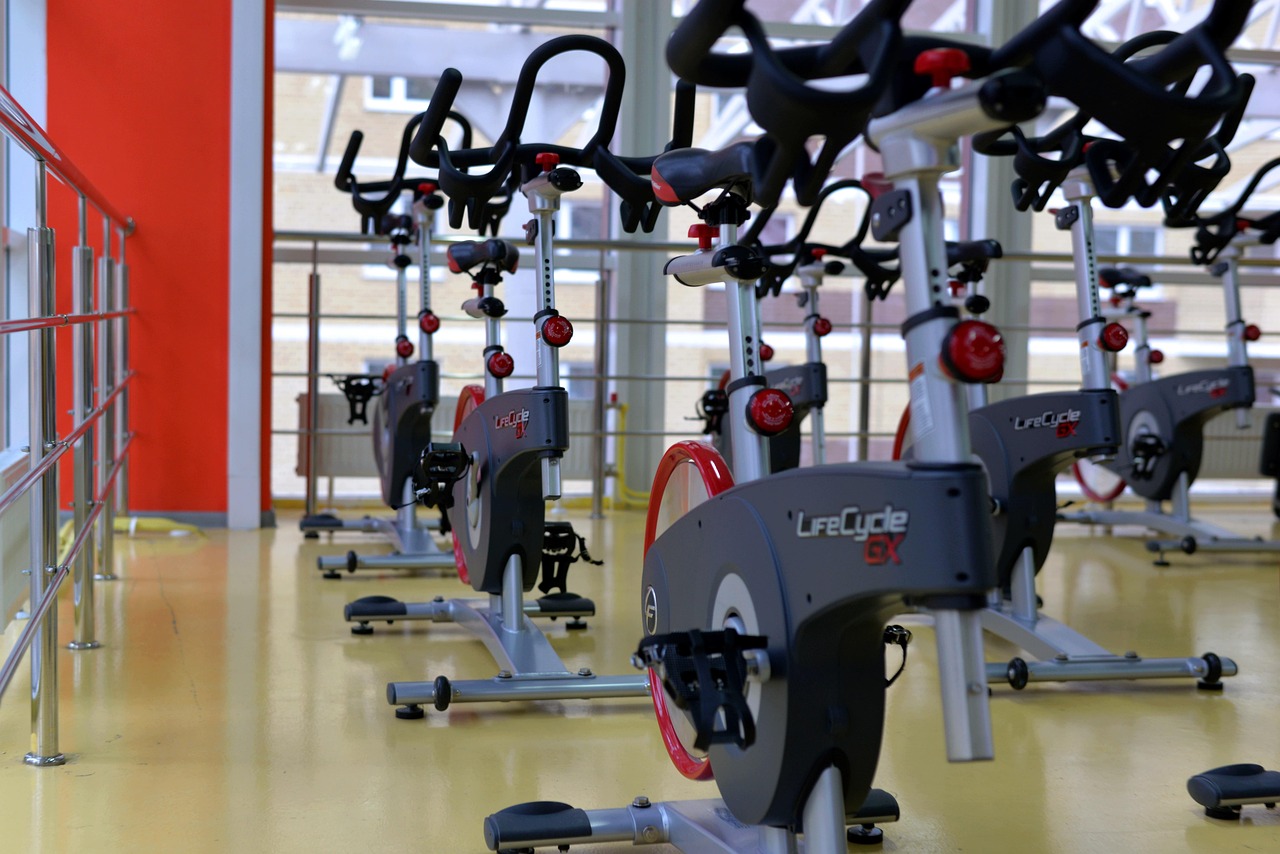
Indoor cycling can offer an incredibly effective cardiovascular workout, with various advantages appealing to users of all fitness levels. It provides a controlled environment, minimizing factors like weather, traffic, and terrain. Indoors, you can experience consistent workout conditions, allowing for better tracking of performance in terms of speed, distance, and heart rate. Many indoor cycling classes incorporate music, motivating instructors, and calculated intervals, creating an engaging atmosphere that keeps participants energized and focused. It’s a fantastic choice for those wanting to incorporate high-intensity training without the potential dangers of outdoor lanes. Additionally, an indoor cycle can be built into any home setup, making it very accessible and customizable for individual needs. You can create a cozy atmosphere with personal preferences in lighting and settings. Moreover, options for interactive cycling apps can elevate the experience further, providing challenges and virtual competition that inspire continuous improvement and community engagement. Indoor cycling can also be a more convenient workout option, fitting seamlessly into tight schedules, which can appeal to busy professionals and parents balancing multiple responsibilities.
Moreover, indoor cycling typically leads to greater consistency in workouts, as the absence of external variables allows for easier adherence to a routine. The camaraderie experienced in group classes can foster motivation and accountability. Many riders thrive in communal settings, feeding off the energy of a group. The support available through indoor cycling can enhance commitment levels and drive individuals to achieve personal goals. Injuries are another aspect to consider; with indoor cycling, the risk of falls is significantly reduced. Spin bikes provide a stable platform, allowing you to focus entirely on performance. Indoor cycling can also accommodate various fitness levels, with riders able to dial up or down resistance as needed, ensuring that anyone can participate and challenge themselves. Due to appealing technology options like bike computers and wearables, users can meticulously monitor their performance. By capturing data, they can see progress trends over time, which may inspire continued commitment and goal-setting. In short, indoor cycling harmonizes community spirit with individual performance tracking, making it an attractive option for people looking to enhance their overall cardiovascular fitness.
Cardio Effectiveness Compared
When considering cardiovascular effectiveness, both outdoor and indoor cycling have unique advantages contributing to overall fitness levels. Research indicates that outdoor cycling can significantly improve cardiovascular function due to varying terrain, which places recurrent demands on different muscle groups. The variable resistance while climbing hills offers an effective workout while promoting endurance. In contrast, studies show indoor cycling, particularly when performed at high intensities, can also yield impressive cardiovascular results. High-Intensity Interval Training (HIIT) methods make indoor cycling appealing, as it attracts both novice and seasoned fitness enthusiasts looking to achieve maximum benefits in shorter sessions. This efficient approach allows users to burn calories effectively while improving aerobic capacity. Personal dedication plays a crucial role in determining which type yields better cardiovascular results. Committed cyclists may favor outdoor rides while those inclined towards structure may gravitate towards indoor cycling or classes as they seek progress through organized sessions. The takeaway is that cardiovascular fitness is a cumulative effect based on consistent effort over time, regardless of the venue. Ensuring regular cycling sessions, whether indoors or outdoors, enhances heart health and overall wellness.
Another essential factor to explore is the impact on mental health associated with these two cycling styles. Engaging in outdoor cycling often allows cyclists to connect better with nature, fundamentally improving mood and reducing stress levels. Exposure to sunlight has also been linked to enhanced emotional well-being, something that might be missing in indoor setups. On the other hand, indoor cycling workouts can deliver an exhilarating experience through spirited classes and playlists that elevate the atmosphere. For many, the social aspects of indoor cycling provide motivation and an uplifting experience, leading to enhanced enjoyment. It can break the monotony that might come with home workouts. Given the increasing popularity of connected indoor cycling bikes, many users can experience a sense of community online and participate in virtual rides with global participants, maintaining that social aspect. Ultimately, both venues provide opportunities for both physical and mental health benefits; the choice hinges on individual priorities. Whether committing to outdoor adventures or indoor classes, finding joy in cycling is key to continuing the journey toward cardiovascular health.
In conclusion, the decision between outdoor and indoor cycling is unique and personal. It depends on your fitness goals, preferences, and environmental factors. Outdoor cycling inspires connection to nature, variety in terrain, and opportunities for social engagements. Many enjoy the thrill of challenging nature and navigating different routes. Conversely, indoor cycling may appeal to those who crave convenience, structure, and a motivating atmosphere. The development of engaging group scenarios adds allure. Both provide remarkable cardiovascular benefits; individuals must choose what aligns best with their lifestyles and aspirations. Evaluating personal interests and safety considerations will help you find a sustainable routine. To maximize your cardio training, consider alternating both cycling styles frequently. For many, the combination of environments can present an elegant solution, allowing the best of both worlds. You might find motivation during indoor sessions while relishing the outdoor rides for recovery or recreational purposes. With these components in mind, you’ll make an informed decision that leads to long-term cardiovascular health and enjoyment, ultimately heightening fitness levels, fulfilling personal wellness goals, and ensuring a lifelong love for cycling.
For those looking to explore or settle into a cycling routine, remember to remain attentive to your body’s cues and sustainable progression. Achieving desired outcomes combines both mental and physical approaches, ensuring dedication to improvement while maintaining enthusiasm and joy. In this journey, remember that both indoor and outdoor cycling present beneficial features that promote adherence, leading to overall cardiovascular fitness and health.