
Beginner’s Guide to Ironman Training: Preparing for Your First Triathlon
Embarking on the journey of Ironman training can feel overwhelming for beginners. Ironman events encompass a full-distance triathlon comprising swimming, biking, and running, requiring both physical and mental fortitude. To successfully navigate this venture, beginners must understand the importance of constructing a well-rounded training plan. This plan must balance various aspects of endurance, strength, technique, and recovery. This ensures that athletes adequately prepare for each component of the event. Furthermore, beginners should familiarize themselves with the race format and specific rules governing each discipline. Proper equipment also plays a crucial role in a triathlete’s performance, and investing in quality gear can make a significant difference. Prioritizing proper swimming technique, biking strategy, and running form will aid in improving overall performance during both training and the race itself. With proper guidance and structured training, athletes can build the necessary endurance to complete an Ironman. The next step is evaluating the ideal training schedule for personal capabilities.
Creating a Structured Training Plan
A structured training plan is paramount for Ironman beginners as they prepare for their inaugural triathlon. Such plans typically span several months and incorporate varied workouts focusing on swimming, cycling, and running. Beginners should strategically allocate training days for each discipline, ensuring adequate rest days to facilitate recovery. A sample training week may include the following: 1. **Swimming**: 2-3 sessions focused on technique and endurance. 2. **Cycling**: 2 sessions, one longer ride building endurance, and one focused on speed. 3. **Running**: 2 sessions emphasizing longer distances and speedwork. 4. **Brick workouts**: Combining bike and run sessions to simulate race conditions. 5. **Rest and Recovery**: Scheduling adequate rest days is crucial to prevent burnout and injuries. Additionally, incorporating cross-training activities such as strength training or yoga will boost performance and flexibility. Tracking your progress through metrics like distance and time will help maintain motivation. Advance awareness of individual strengths and weaknesses enhances overall performance, ensuring readiness for race day.
Nutrition is a fundamental aspect of training, especially for Ironman participants. A balanced diet contributes to enhanced performance by fueling workouts and promoting recovery. Beginners should focus on incorporating a variety of whole foods. Emphases should include: **Complex carbohydrates**: For sustained energy during long workouts, such as oatmeal, brown rice, and whole grains. **Lean proteins**: Essential for muscle repair and recovery, sources include chicken, fish, legumes, and beans. **Healthy fats**: Avocados, nuts, and olive oil should be incorporated to provide energy and promote satiety. Additionally, timing meals and snacks around training sessions is vital for optimizing performance. Fueling during workouts with energy gels or drink mixes can help maintain energy levels. Hydration cannot be overlooked, as proper fluid intake is crucial for reaching peak performance. Monitoring body weight before and after workouts can help gauge fluid loss and hydration needs. Ultimately, establishing sustainable nutrition habits will not only support training but will also pave the way for success on race day.
Mastering the Swim
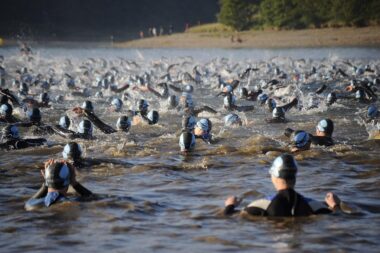
One of the most challenging components of the Ironman is the swim, particularly for beginners who may feel intimidated by open-water racing conditions. Mastery of swimming technique is essential for efficiency, speed, and endurance. Participants should focus on practicing essential skills such as proper breathing techniques, body positioning, and kick efficiency. Engaging in swim drills will reinforce these skills, enhancing overall performance. Beginners should consider joining a swim club or taking lessons with a coach to receive personalized feedback. Open water practice is crucial, as it differs significantly from pool swimming. Participants should acclimate to different water conditions, including waves and currents, before race day. Swimming in groups can enhance comfort levels, reduce anxiety, and mimic race conditions. Additionally, practicing sighting techniques while swimming will assist in navigating during the race, improving overall efficiency. Incorporating regular swim sessions, embracing training tips, and fostering confidence will ultimately enhance the performance of first-time Ironman participants.
The cycling segment of the Ironman is where many athletes truly shine and is crucial for overall success. For beginners, understanding bike mechanics and proper techniques is essential for optimizing performance. Selecting the right bike, whether it’s a road bike, triathlon bike, or hybrid, can significantly impact comfort and speed. Beginners should invest time in bike fits to ensure optimal positioning. Incorporating endurance rides, interval training, and hill workouts will diversify training and improve strength. Establishing a maintenance plan for the bike is equally important; clean and lubricate the chain, check brakes, and ensure tire pressure are all in good condition. Understanding nutrition and hydration during biking sessions will also pay off, as replenishing energy and maintaining fluid levels are critical. Encourage riding in various terrains to simulate race conditions and build confidence on the bike. The mental aspect of cycling is also essential; maintaining focus and motivation during long rides can be aided by listening to music or engaging in visualizations of race day success.
The Run Segment: Endurance and Strategy
As the final segment of the Ironman, the run is crucial for total race success and can often be the most daunting part for beginners. Developing running endurance begins with integrating long runs into a training plan. Schedule gradual increases in distance, as building stamina is vital. Runners should also focus on pacing strategies, which help prevent burnout during the latter stages of the race. Incorporating variety is essential: alternately focusing on speed work, elevation training, and recovery runs enhances overall performance. Each run must be treated as a chance to rehearse for race day, practicing hydration and nutrition strategies. Testing race gear during runs will also ensure comfort during the actual event. Adjusting to fatigue towards race day should be communicated with training partners to gain psychological support. Strengthening the mental approach to long runs will improve overall performance significantly. Visualizing race success alongside planned power walks can elevate motivation. Ultimately, finding an effective running strategy is essential for a fulfilling race day experience.
The importance of recovery during Ironman training cannot be overstated, especially for beginners who may underestimate its significance. Recovery is critical for avoiding injuries and enhancing performance, allowing athletes to adapt to the physical stress imposed by training. Incorporate sufficient rest days into the training schedule to facilitate mental and physical recuperation. Techniques such as foam rolling, stretching, and getting adequate sleep can aid in recovery, alleviating muscle soreness and preventing fatigue. Nutrition also plays a role in recovery; post-workout meals should focus on protein and carbohydrates to restore energy. Revisiting personal goals and progress during recovery days can provide additional motivation and insight. Beginners should also be aware of common signs of overtraining, including fatigue, mood swings, and reduced performance. Listening to the body and adjusting the training plan accordingly will aid in sustaining long-term enthusiasm for training. Furthermore, tapping into supportive communities, either in-person or online, can enhance accountability and motivation surrounding recovery. By embracing a balanced approach that includes adequate recovery, beginners can maximize their Ironman journey and ultimately achieve their goals.
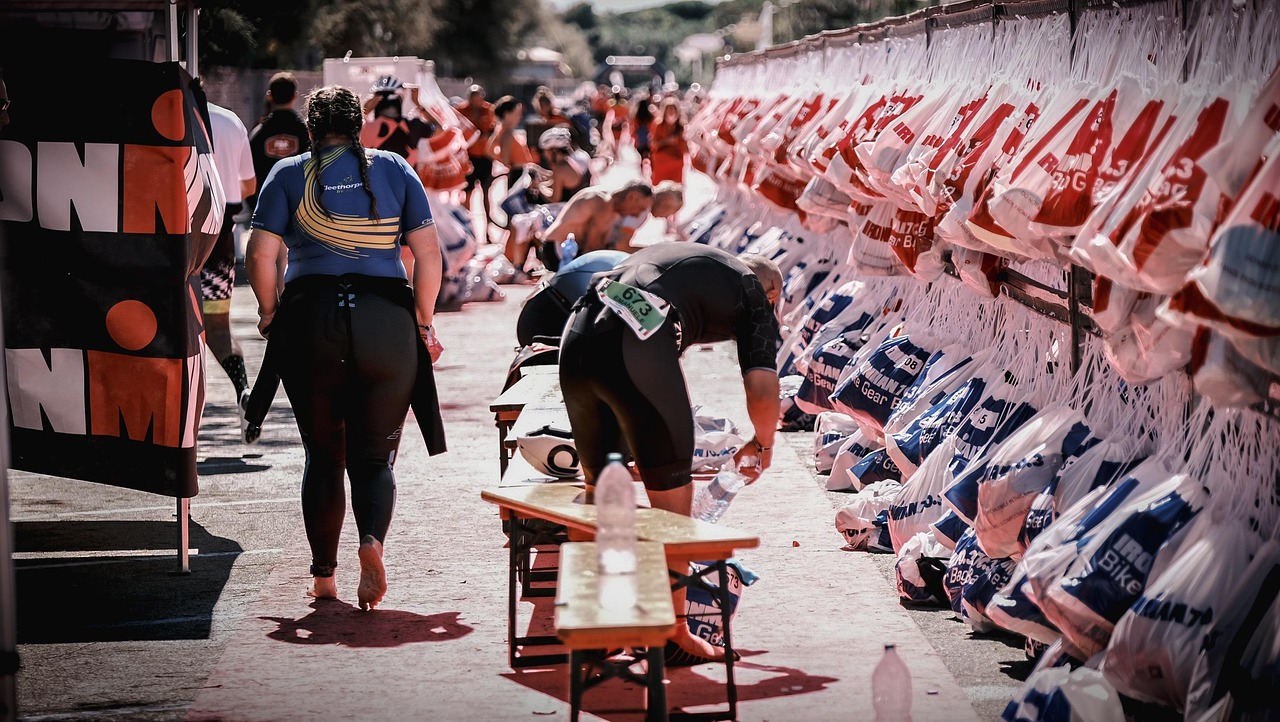
Participating in an Ironman is an exhilarating experience that can change your perception of endurance sports. Training for such a rigorous event requires commitment, determination, and resilience. Beginners should remember to set realistic goals and celebrate small achievements throughout the process, fostering motivation and maintaining enthusiasm. Joining a triathlon club or community can provide a valuable support system as others share similar experiences and challenges. Seeking guidance from experienced triathletes may prove beneficial, providing insights and tips for race day preparedness. Moreover, familiarizing oneself with race logistics, transition areas, and terrain will aid significantly in achieving confidence. Finally, visualization techniques can enhance mental preparation, enabling athletes to approach their first Ironman with a positive mindset. Race day itself will be filled with challenges and triumphs; however, with solid training, dedication, and a well-structured plan, beginners can navigate this journey successfully. Ironman training not only strengthens bodies but also enriches the mind, ultimately allowing participants to grasp the true spirit of perseverance.