
Balancing Cycling with Other Senior Fitness Activities
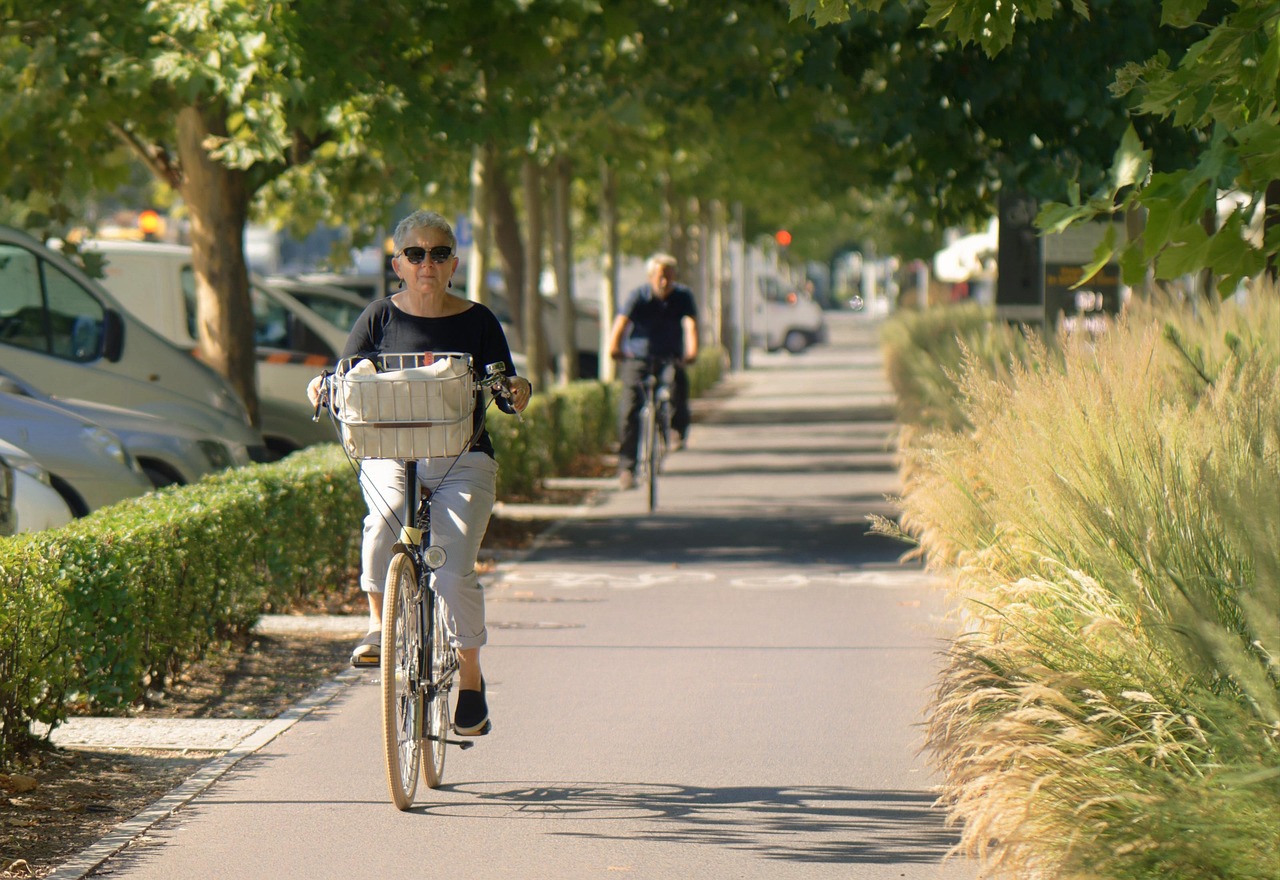
Cycling is an excellent fitness choice for seniors, combining joy with physical benefits. As individuals age, it is essential to maintain an active lifestyle to preserve overall health. However, balancing cycling with other senior-friendly fitness activities can enhance well-being significantly. Engaging in a variety of exercises allows seniors to work on different muscle groups, enhancing physical fitness holistically. Stretching, for instance, can improve flexibility, while swimming provides low-impact cardio. These activities promote muscle recovery and prevent injuries, ensuring seniors remain active and healthy. Yoga can also complement cycling by improving balance and core strength, both crucial for maintaining stability on two wheels. In addition, strength training is vital, allowing seniors to build the muscle necessary to support their cycling endeavors. Indoor cycling classes offer a social environment, perfect for encouraging regular exercise. Group classes not only motivate but also create lasting friendships. Knowing the different fitness options available helps seniors craft a balanced fitness plan customized to their needs. This approach not only keeps cycling fun and exciting but also promotes overall longevity and quality of life.
One significant advantage of cycling for seniors is the low impact on joints. Traditional cardiovascular exercises may cause discomfort or pain, yet cycling allows seniors to enjoy movement without unnecessary strain. Furthermore, combining cycling with strength training is crucial for maintaining muscle mass. As people age, they naturally lose muscle, so engaging in resistance training at least twice a week can still benefit. Bodyweight exercises, using light weights or resistance bands, are effective options that can be performed at home or at the gym. Incorporating strength training into a routine can dramatically improve senior mobility and reduce the risk of falls. Challenge yourself with step-ups, leg lifts, or wall push-ups to build upper and lower body strength. Using resistance bands can also help with flexibility while offering varied resistance levels. Stretching exercises focused on major muscle groups can increase flexibility, maintaining independence for daily tasks. Regular stretching can also aid recovery post-cycling or strength workouts. By implementing strength training alongside cycling, seniors can foster a stronger body while enjoying their preferred outdoor activity, enriching overall enjoyment.
Integrative Approaches to Senior Fitness
Integrating various fitness approaches into a senior’s routine is essential for promoting well-rounded health. Combining cycling with other activities maximizes health benefits and builds resilience. For instance, seniors can alternate cycling days with water aerobics, allowing joint-friendly workouts while keeping cardiovascular systems challenged. Water exercises not only improve heart health but also alleviate stiffness or joint pain. Incorporating walking into weekly plans provides another excellent aerobic option, as it is low-impact yet effective. Walking utilizes several muscles and can be adapted for different ability levels. Additionally, participants can engage in dance classes tailored for seniors, which adds a fun twist to fitness regimes. Whether it’s ballroom or line dancing, these activities help maintain social connections while improving coordination. Each session contributes to overall endurance, boosting confidence as residents enjoy these activities together. Focus on community, as engaging in group exercises can motivate seniors to stay on track. Community resources and local clubs may offer customized classes that cater specifically to seniors’ needs. Seniors should seek opportunities that inspire camaraderie and encouragement, fostering connection and reminiscence.
Nutrition also plays a critical role in the overall health and fitness of seniors, as effective nutrition supports activity levels. A balanced diet consisting of proteins, carbohydrates, and healthy fats can fuel cycling and other activities. Seniors need to stay hydrated, particularly during physical exercise, as dehydration significantly affects performance. Consuming adequate vegetables and fruits can provide essential vitamins and minerals to support recovery after workouts. Including vitamins like calcium and Vitamin D can bolster bone health, while lean proteins support muscle recovery post-exercise. Planning meals that are easy to prepare and provide needed nutrients can aid seniors in sticking to healthier eating choices. Healthy snacks, such as nuts or yogurt, may curb cravings and maximize energy levels during activities, including cycling. A day filled with various small meals can help sustain energy while allowing seniors to maintain a steady state of activity throughout. Avoiding processed foods or excessive sugar will contribute to long-term health. Hence, nutrition must intertwine with fitness endeavors to yield beneficial overall health results. Additionally, meal planning can be a fun activity when done with friends or family.
Setting Realistic Goals
Establishing realistic fitness goals for seniors can enhance commitment and motivation. Rather than focusing purely on weight loss, seniors should create objectives that emphasize health and enjoyment. For example, aiming to cycle a certain distance within a month might be exciting and engaging. Setting achievable short-term goals fosters a sense of pride and accomplishment. Monitor progress regularly by tracking cycling distance or time on a fitness app, while remaining adaptable according to any physical limitations. Engaging local clubs or groups can provide additional motivation and fellowship, pushing seniors to strive together toward common goals. Additionally, it is important to celebrate milestones achieved, no matter how small. Embracing fun activities like charity rides or recreational cycling events invites seniors to socialize and enjoy the outdoors. Fitness entails both physical and social elements, promoting emotional well-being. These moments of joy can be the perfect antidote to feelings of isolation that seniors may face. Facilitating global opportunities for fitness can inspire seniors to maintain an active lifestyle, ultimately ensuring enjoyable, healthier futures. Consistency in exertion is key to implementing fitness into one’s personal lifestyle.
Social interaction is another vital aspect of senior fitness. Engaging in activities like cycling, strength training, or group classes fosters camaraderie and community among participants. Even casual conversations during breaks can uplift spirits and provide social support that encourages ongoing participation. Many local community centers or YMCAs offer a variety of fitness classes specifically tailored for seniors, creating social and exercise opportunities. When seniors find activities they enjoy, they are naturally more inclined to participate regularly. Creating bonds through shared interests opens doors to friendships that extend beyond scheduled classes. Establishing accountability with workout buddies also boosts motivation, as partners encourage one another toward achieving personal fitness goals. For more flexibility, consider outdoor meetups where cycling routes or parks can be explored together. Having a supportive fitness circle makes physical activity enjoyable, enhancing commitment to health. Understanding the importance of community and connection can transform fitness experiences for seniors. As they engage, they not only benefit physically but emotionally uplift each other, fostering joy in their activities. Exercise becomes a source of joy, rather than just a chore, encouraging continued participation throughout their golden years.
Conclusion
In conclusion, balancing cycling with other fitness activities is vital for vibrant senior health and happiness. The combination of varied exercises ensures a holistic approach to maintaining physical fitness. Cycling, alongside strength training, walking, swimming, and social activities, creates a comprehensive regimen. Engagement in diverse fitness options prevents boredom and motivates seniors to remain active and committed to their health. Setting achievable goals, emphasizing nutrition, and fostering social connections amplify the motivation required for sustained participation. The shared journey of fitness creates camaraderie and joy for seniors seeking a fulfilling lifestyle. It’s essential to adapt these plans according to individual capability, respecting personal limits while still inspiring growth. Cycling offers a joyful escape into nature, blending physical activity with mental joy. While focusing primarily on cycling, integrating other activities truly broadens the experience. Seeking avenues for interaction and support helps seniors on their journeys. They should really appreciate these moments spent together. Therefore, with thoughtful planning and community involvement, seniors can enjoy balanced fitness. Ultimately, this approach not only enhances physical health but also promotes emotional well-being, fostering longevity and quality of life.