
Adaptive Fitness Classes: Expanding Access in Gym Facilities
Adaptive fitness classes play a vital role in making gym facilities more inclusive for individuals with disabilities. These classes encourage participation by customizing workouts to meet varying needs. Special attention is given to the equipment and space design, allowing everyone to engage comfortably. Adaptive fitness can promote health and well-being, helping participants achieve their personal fitness goals. Accessible gym facilities often include modifications such as wider pathways, lower equipment, and adjustable machines. Programs may focus on strength, flexibility, and endurance. Furthermore, they enable social interaction and community building among participants. By providing adequate training for fitness professionals, gyms can ensure safety and effectiveness in programming. Such initiatives help dispel myths about disability and fitness, emphasizing capability over limitation. As awareness grows, more facilities are investing in adaptive classes, responding to demand from the community. These programs not only enhance physical health but also improve mental well-being, fostering self-esteem and independence. It’s essential to assess individual progress regularly to optimize training. Ultimately, adaptive fitness classes symbolize a move towards a more equitable fitness industry, widening participation for all.
Benefits of Accessible Gym Facilities
Accessible gym facilities provide numerous benefits to individuals with disabilities, promoting overall well-being. Increased access to fitness opportunities encourages individuals of all abilities to stay active. With tailored equipment and informed trainers, participants can pursue their fitness objectives effectively. Enhanced accessibility contributes to self-confidence, allowing users to overcome previous barriers preventing exercise. Social integration is another key advantage, as adaptive classes foster connections. Participants often form communities, supporting one another in their fitness journeys. These connections can lead to lasting friendships and shared experiences. Furthermore, inclusive facilities help reduce stigma by showcasing the capabilities of individuals with disabilities. They also educate the broader community about adaptive fitness, creating empathy and understanding. By highlighting inclusive offerings, gyms make fitness appealing to a wider audience. Marketing adaptive programs can attract more clients and increase retention rates, benefiting the business. Workshops and informational sessions on disability awareness not only inform staff but also assist existing members. Communities that prioritize accessibility ultimately cultivate healthier lifestyles. It is essential for gym owners to recognize the value of these initiatives in promoting social equity and health for all.
Incorporating adaptive fitness classes into gym programming requires thoughtful planning and execution. Facilities must evaluate their existing setup and determine necessary modifications. Collaborating with disability experts can guide the process, ensuring that adaptations meet user needs correctly. Training is crucial; gym staff should be well-informed and capable of assisting participants effectively. Regular workshops help educate trainers about adaptive techniques and inclusivity practices. Additionally, facilities should seek feedback from users to continually improve programs. Such assessments can identify potential gaps in offerings that need addressing. Moreover, creating a welcoming environment is essential; participants must feel comfortable and supported at all stages. Facilities can host open houses or introductory sessions to familiarize potential clients with adaptive fitness options. This approach not only engages individuals with disabilities but also encourages family and friends to accompany them, creating a nurturing atmosphere. Marketing plays a central role in raising awareness about adaptive classes. Promotional campaigns, online content, and local partnerships can showcase success stories, inspiring others to join. By leveraging effective marketing strategies, gyms can eliminate barriers, promoting a culture of inclusiveness while attracting a diverse clientele.
Adapting Exercise Programs
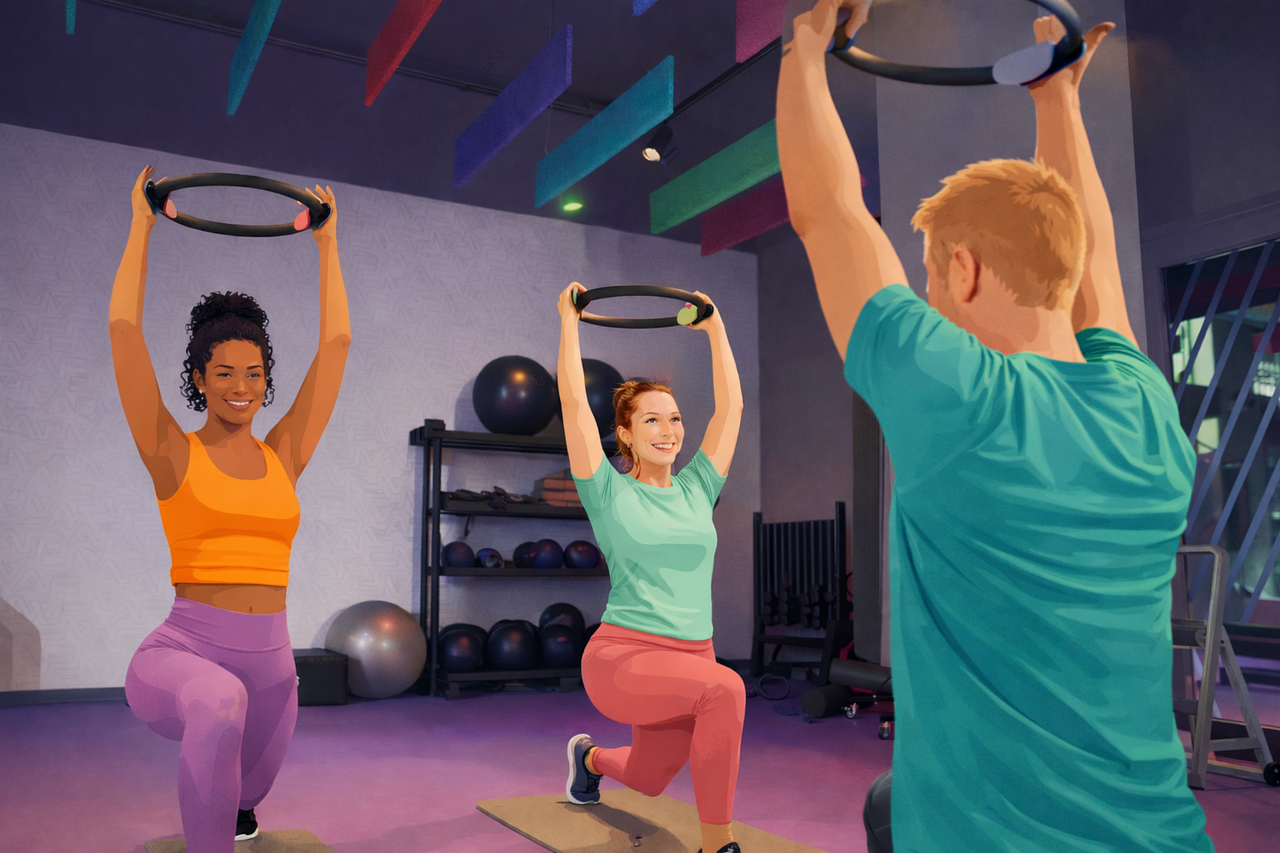
Adaptive exercise programs require creativity and flexibility from trainers and participants. Every individual has unique abilities and limitations that must be considered during workouts. Personalized assessments can help determine appropriate activities and intensity levels for each participant. Various adaptations must integrate diverse training modalities, such as strength training, yoga, or aquatic classes. By using specialized equipment, including resistance bands and stability balls, trainers can create engaging workouts that meet individual needs. Additionally, group classes can be designed highlighting teamwork and collaboration to enhance motivation. Fitness professionals should be informed about adaptive strategies to ensure effective session execution. Implementing a buddy system can further enhance safety and support during workouts. Participants often thrive in an environment where they feel encouraged by peers or trainers. Incorporating fun activities and competition can foster enthusiasm, making exercise enjoyable. Regularly rotating class themes will also maintain interest and engagement levels high. Celebrating achievements motivates individuals, reinforcing their commitment to fitness. Overall, adapting exercise programs not only elevates physical fitness by supporting diverse needs but also promotes mental resilience and growth, aiding individuals in achieving their goals.
Marketing adaptive fitness classes effectively ensures that individuals with disabilities become aware of their availability. Utilizing social media platforms can reach a wide audience while sharing program specifics and success stories. Engaging content—like videos, testimonials, or articles—can spark interest in adaptive classes. Collaborations with local community organizations can also help promote classes to those who might benefit. Hosting information sessions tailored for potential participants can demonstrate the inclusivity of these programs. Involving current members in shaping promotional strategies reinforces community engagement. Ensuring accessibility on websites is equally important; details about adaptive offerings should be easily navigable. Clear information about class formats, schedules, and required adaptations fosters transparency and attracts interest. Providing flexible and accommodating options—such as online lessons—will aid participants in accessing fitness from anywhere. Testimonials showcasing successful journeys also enhance credibility. Local media coverage can create recognition and amplify success, encouraging more individuals to participate. Additionally, surveys can help gym owners gauge community interest in adaptive fitness offerings, identifying gaps in services that need attention. Finally, consistent community outreach aids in maintaining engagement and awareness among all individuals.
Impact on Mental Health
The impact of adaptive fitness classes on mental health should not be underestimated. Participation in physical activities is linked to improved mood and reduced anxiety among individuals with disabilities. Engaging in regular exercise can stimulate the release of endorphins, positively influencing mental well-being. Not only do these classes provide a sense of accomplishment, but they also foster social interactions that contribute to a supportive community. An inclusive environment allows participants to form valuable connections, reducing feelings of isolation. Sharing experiences within a group setting can create a network of understanding that boosts morale. Furthermore, ongoing participation in adaptive classes develops resilience, cultivating a growth mindset. Individuals learn to adapt and overcome challenges, leading to enhanced self-esteem. Gym facilities can encourage mental health workshops in conjunction with adaptive classes, providing holistic support. Mental health professionals can offer resources and strategies for coping with stress or negative emotions. Celebrating personal achievements, no matter how small, reinforces positive self-perception. By understanding the intricate link between physical and mental health, gym facilities can create comprehensive adaptive fitness programs that truly benefit the whole person.
Finally, the future of adaptive fitness classes appears promising, with increasing recognition of their importance. As more facilities prioritize inclusivity, the landscape of fitness will begin to shift. Legislation surrounding accessibility in public spaces will further reinforce the need for adaptive programs. Continual advancements in technology enable the development of innovative equipment suited for individuals with disabilities, broadening participation possibilities. Additionally, fitness culture is gradually evolving to embrace diversity and inclusivity, promoting a more equitable approach. Trainers are becoming increasingly educated, equipping them with the necessary skills to manage adaptive classes. Open dialogues surrounding disability and fitness continue to rise, promoting awareness and understanding. Successful partnerships between gyms, advocacy organizations, and community groups will also enhance programming and resources. The resilience and determination displayed by adaptive athletes inspire others, encouraging a more integrated community. By remaining committed to adaptation and accessibility, fitness facilities can create a lasting impact on individuals and communities alike. As more individuals join adaptive fitness classes, the cycle of empowerment continues, fostering a healthier, more inclusive society. Adaptive fitness is not just a trend; it represents a necessary evolution in the fitness industry.