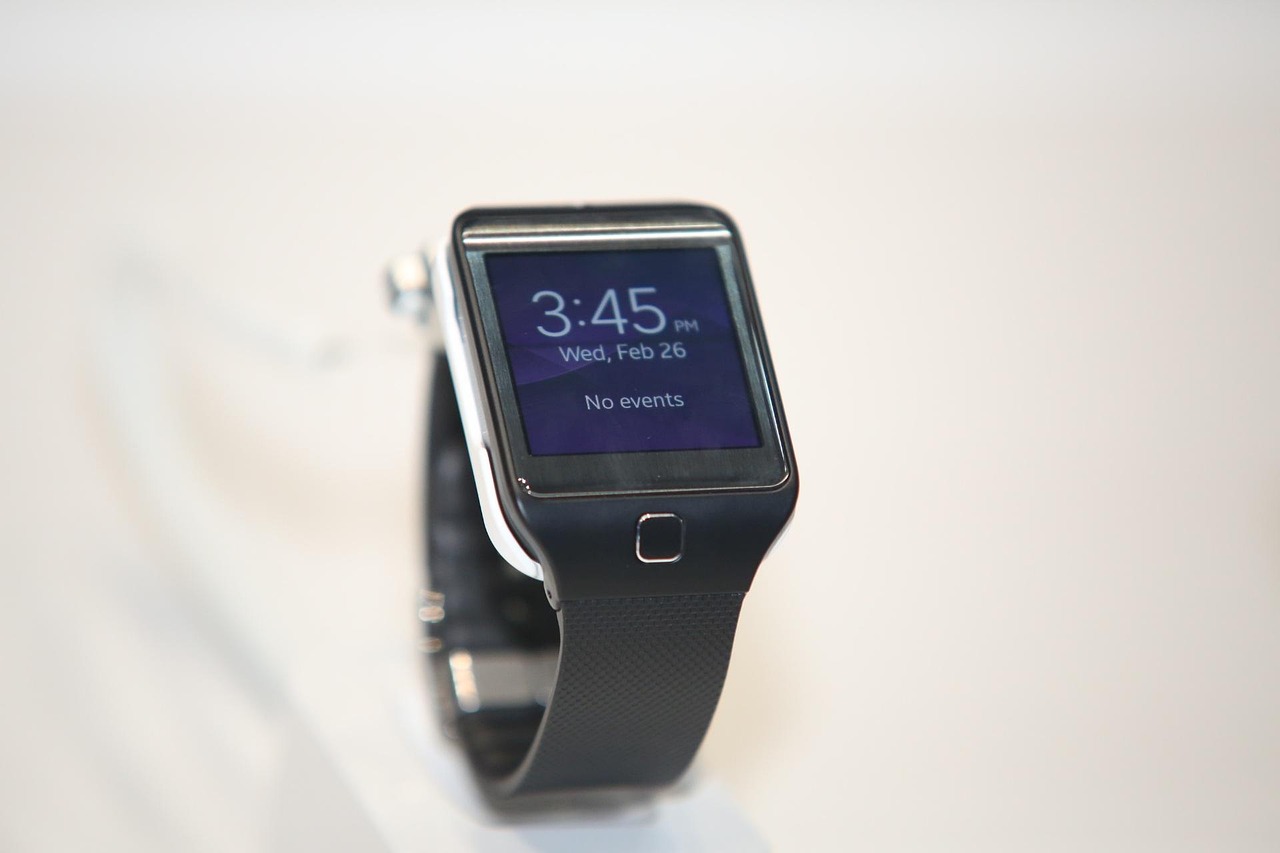

Wearables Designed Specifically for Adaptive Fitness Communities
Wearable devices represent a transformative technology for individuals involved with adaptive fitness. These devices cater specifically to the unique needs of individuals with disabilities, offering personalized data and health metrics tailored to every user. Leading the charge, companies create an array of fitness trackers that focus on accessibility. They aim to promote inclusivity, allowing individuals with disabilities to take charge of their fitness. This technology enables users to monitor their physical activities, heart rates, and even sleep patterns. With innovative design features such as tactile buttons and high-contrast displays, wearables ensure usability for users with different challenges. They also include enhanced support for social engagement, allowing individuals to connect with trainers and peers. Integrating community aspects helps motivate users in their fitness journeys. Such devices not only serve functional purposes but also promote mental health through community support. By making adaptive fitness more engaging and supportive, wearables contribute to improved well-being. These devices help raise awareness about adaptive fitness implications for broader communities, highlighting the importance of inclusivity in fitness. This burgeoning sector ultimately empowers disabled individuals to achieve their health and fitness goals, dramatically impacting their quality of life.
A key aspect of wearables for adaptive fitness focuses on customization features that can accommodate varying disabilities. Customization plays a crucial role in creating effective wearable fitness devices. Each user has their own unique fitness level, needs, and abilities, demanding personalized solutions. Many wearables offer flexible options like adjustable settings for heart rate zones or tailored workout recommendations. This adaptability is essential for those with mobility challenges or specific medical requirements. Enhanced user interfaces, such as voice activation and visual aids, ease navigation and improve accessibility for individuals with various disabilities. Furthermore, leading brands prioritize the development of applications that accompany wearables. These applications enhance communication between users and relevant support networks, fostering motivation and accountability in fitness routines. Users can access progress reports, daily challenges, and virtual connect features, allowing integration into adaptive fitness classes. Many wearables even provide options for emergency tracking, ensuring safety during physical activities. By seamlessly combining personalized usability and smart technology, wearables empower individuals with disabilities in the fitness environment. This enhanced adaptability ultimately paves the way for successful adoption and engagement in the broader fitness landscape.
Health Monitoring and Safety Features
The medical functionalities provided by adaptive fitness wearables include vital health monitoring features. These capabilities not only promote ongoing wellness but also ensure user safety, contributing to the appeal of wearable devices. Users can track heart rates, oxygen levels, and other essential health metrics in real-time, allowing for proactive management of their well-being. This aspect becomes especially important for those with particular health issues, like heart conditions or asthma. The wearables’ integrated notifications warn users if their health metrics cross critical thresholds, encouraging them to respond quickly. Alongside health monitoring, GPS functionality ensures individuals can navigate exercise spaces safely. This assures both users and their families about their security during outdoor activities. Additionally, the incorporation of features like fall detection automatically alerts emergency contacts in case of an accident. This increased safety promotes peace of mind among users and caregivers alike, encouraging more active lifestyles. These devices create an ecosystem where users not only engage in fitness activities but do so while prioritizing their health concerns. Through these advanced functionalities, adaptive fitness wearables empower both individuals and their support networks significantly.
Wearable devices tailored for adaptive fitness also focus on integrating with other technologies. This interconnectivity enhances user experience and optimizes workout routines by combining data from various devices. For instance, syncing wearables with smart home technology allows for automated adjustments in training environments. Users can manage lighting, music, and temperature settings via their wearables, creating an ideal atmosphere for workouts. By embracing these advanced interconnections, individuals enjoy a seamless exercise experience tailored to their preferences. Furthermore, collaboration between wearable manufacturers and application developers enhances functionality, providing fitness motivation through gamification and personalized feedback. Users can engage in friendly competitions with peers or set goals that align with their needs and capabilities. Beyond motivation, social connectivity becomes a critical aspect of successful adaptive fitness. Wearables encouraging community support allow users to share their achievements and challenge each other. This creates a sense of belonging, making fitness journeys more supportive and enjoyable. Ultimately, technological integration not only improves efficiency but enhances both physical and emotional aspects, ensuring wearables serve the user’s full suite of needs in the adaptive fitness realm.
Supporting Rehabilitation through Wearable Technology
Wearable devices that cater to adaptive fitness facilitate rehabilitation processes for individuals recovering from injuries. By providing tailored exercise recommendations and tracking progress, these devices directly contribute to recovery protocols. For example, physical therapists can utilize data collected from wearables to enhance treatment plans. This real-time information allows for adjustments in recovery regimens based on users’ performance and comfort, establishing a collaborative approach to rehabilitation. Incorporating gamified elements, wearables can provide engaging exercises that motivate users during their recovery journeys. Leverage technological advancements helps in making rehabilitation less daunting while encouraging consistent engagement. Through tracking functionality, users can celebrate small milestones in their recovery, fostering confidence and self-esteem. The flexibility of wearables means they can adapt to various rehabilitation needs across different disabilities. Investing in this technology bridges the gap between traditional rehabilitation methods and modern fitness. This not only aids recovery but also offers individuals a chance to regain independence and confidence. Consequently, wearable devices augment the health system, promoting an integrative approach toward improving overall well-being among users after facing challenges.
The importance of community-driven design is another key aspect of wearables aimed at adaptive fitness communities. Engaging end users in the design and testing phases ensures that devices meet their needs effectively. This collaborative approach fosters innovative ideas that prioritize inclusivity and accessibility, which may otherwise be overlooked by traditional manufacturers. As a result, companies are increasingly involving users with disabilities to provide feedback, driving improvements and product evolution directly rooted in their experiences. This community-centric focus empowers individuals, allowing them to take part in a process that ultimately benefits their fitness journey. Introducing adaptive representatives influences product development significantly, strengthening both functionality and relevance. This positive cycle of feedback ensures wearables are continually refined, addressing real-world challenges users face daily. By engaging the adaptive fitness community, companies can create a culture of shared ownership and collective support, further motivating users to stay active. This not only benefits users individually but also enhances social bonds, as they contribute to creating products that reflect their shared experiences. Therefore, community-driven design represents a vital strategy in advancing the adaptive fitness landscape and ensuring successful product adoption.
The Future of Wearable Adaptive Fitness Technology
As the field of wearable technology evolves, the future for adaptive fitness devices looks incredibly promising. Ongoing advancements in materials, design, and AI integration will continue to broaden the functionalities of these wearables. The use of smart fabric and lightweight materials aims to enhance comfort while providing accurate sensor data. Future wearables are likely to incorporate AI-powered algorithms that deliver personalized fitness insights tailored to users’ distinct needs. Furthermore, ongoing research into biomechanics and user interaction will improve wearable efficacy, enabling users to maximize their fitness potential. Innovation will stimulate market demand, leading to more extensive investment and diversification in the adaptive fitness sector. Additionally, companies are expected to focus on enhancing interoperability, promoting seamless integration among various fitness technologies. Such developments encourage greater data sharing ultimately improving user experience. Moreover, the community-driven approach will remain key as user feedback continues to validate designs and features. Overall, the expanding impact of wearables on adaptive fitness will enhance individual and community engagement, reinforcing the significance of inclusivity in the fitness ecosystem. As technology progresses, the overlap between innovative science and adaptive fitness will foster healthier and more empowered communities.
In conclusion, wearable devices designed specifically for adaptive fitness communities hold immense potential for transformation. By addressing the diverse needs of individuals with disabilities, these devices go beyond traditional fitness metrics. They empower users through personalized insights, ensure safety, and promote social engagement within supportive networks. The adaptability and technological integration of wearables not only enhance user experience but redefine the concept of fitness for individuals facing challenges. Innovative healthcare solutions will play a crucial role in the self-management of disabilities, ensuring improved health outcomes. The collective efforts of manufacturers, technology developers, and users drive the future of adaptive fitness wearables, guiding their evolution toward greater inclusivity. By embracing community-driven initiatives, brands can create tailored solutions that resonate with users’ experiences and aspirations. As society recognizes the importance of adaptive fitness, wearables will become integral tools. They enable users to engage fully in their fitness journeys, enhancing both physical and mental well-being. This intersection of technology and adaptive fitness ultimately fosters a holistic approach to health, showcasing the impact of inclusive innovation. With significant potential for growth, the future appears bright for wearable devices serving adaptive fitness communities.