
Tracking Workout Quality: From Data Collection to Actionable Insights
Tracking workout quality involves the systematic collection and analysis of data to evaluate performance and progress over time. This process not only helps in refining training techniques, but it also assists in motivating individuals to push through their limits. Key variables such as duration, intensity, and type of exercises provide valuable insights into one’s overall fitness level. Furthermore, through careful observation and data aggregation, one can identify trends that may indicate stagnation or improvement in performance. Using technology like fitness trackers or mobile applications enhances the tracking experience, making it more user-friendly. Collecting data on workout frequency, recovery time, and nutrition will also contribute significantly to workout analytics. Taking a holistic approach will optimize results and contribute to a ranging diversity of training routines. Consistent monitoring is vital, as variations in daily performance can significantly impact long-term results. Therefore, investing in reliable tracking tools is essential for anyone serious about fitness. By establishing benchmarks and analyzing progress, individuals can develop personalized strategies, ensuring that they stay committed to their workout regimen. This dynamic process transforms mere data into impactful actions.
Understanding Quality Control in Fitness
Quality control within a fitness context refers to the processes and measures employed to ensure that workouts meet established standards of effectiveness. By consistently applying quality control principles, individuals can enhance their fitness journey through structured and well-monitored exercise routines. This approach includes setting performance benchmarks and regularly reviewing workout outcomes against them. Within this context, fitness professionals advocate for incorporating feedback mechanisms, such as self-assessments or coach evaluations, to maintain high-quality workouts. Regularly updated techniques and methodologies allow for the adaptation of fitness regimes to tackle new challenges. Moreover, the integration of technology, such as apps that provide instant feedback, plays a substantial role in maintaining workout quality. Identifying specific strengths and weaknesses through tracking also helps tailor the workout experience, fostering continual growth. Individuals are encouraged to document their progress regularly, helping to uphold motivation levels and commitment. Engaging with online fitness communities can provide support, accountability, and valuable insights, thereby improving the quality of workouts. Enhancing skills like patience and persistence can also lead to better quality workouts and more substantial overall progress.
Implementing performance tracking techniques is instrumental in elevating workout quality. By regularly analyzing workout data, it becomes easier for individuals to discern patterns that may require adjustments. For instance, if consistent monitoring reveals that certain exercises yield better results, a person can prioritize those routines. Additionally, alignment with personal goals is crucial for maintaining motivation levels and commitment. Utilizing wearable devices enables users to gather comprehensive data—heart rate, calories burned, and activity duration—providing a well-rounded view of progress. Such metrics not only highlight achievements but also pinpoint areas that need improvement. Moreover, understanding one’s physical response to different intensities ensures a balanced approach to training. Regular feedback from fitness specialists or trainers can aid in refining techniques, ensuring optimal results while minimizing injury risks. Combined with a personalized workout plan, this data-centric approach enhances the quality of training significantly. By aligning techniques with desired outcomes, individuals create a clear pathway toward success, fostering an environment conducive to growth. It’s crucial to leverage data collection technologies effectively, ensuring an exceptional training experience that promotes continuous development.
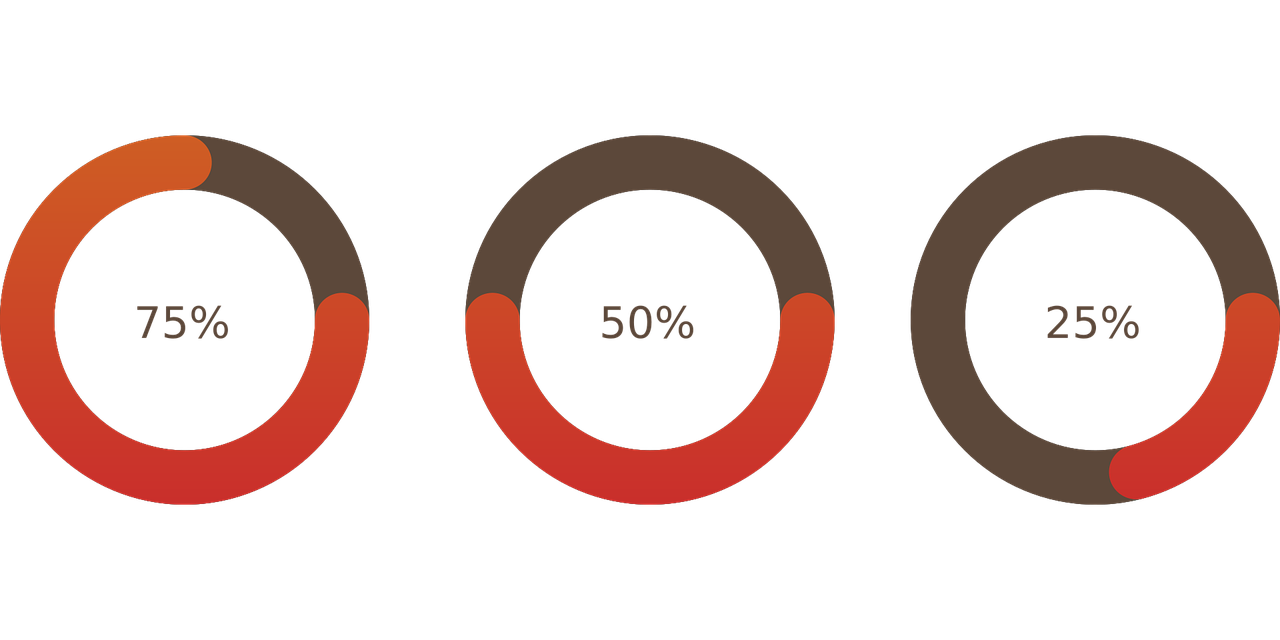
The importance of data visualization cannot be overstated when it comes to tracking workout quality. Graphs and charts provide a clear, easy-to-understand representation of performance trends, making it simple to identify successes and areas needing attention. Having a visual summary enhances understanding, enabling individuals to focus on specific workout aspects that propel their fitness journey. Consider incorporating apps or software that allow for detailed analytics; these resources are invaluable. Additionally, sharing these insights with a coach or training partner can enhance accountability and support, fostering an environment geared towards enhanced performance. Directly comparing past and current sessions cultivates a sense of achievement, motivating individuals to remain committed to their goals. Furthermore, encouraging community involvement through sharing performance metrics can amplify motivation; individuals are inspired by seeing others progress. For those training in teams, this transparency can bolster camaraderie and improve overall quality control within program delivery. Ultimately, this visualization encourages engagement, prompting adjustments in training methods to achieve well-defined targets. So, prioritizing data visualization will not only elevate workout quality but will also enrich the overall training experience for all fitness enthusiasts.
Incorporating feedback into workout routines is essential for honing performance and enhancing quality. This feedback can come from peers, fitness coaches, or even self-evaluation methods. Regular checks assessing strength, endurance, and recovery enable individuals to identify effects of different training loads on their progress. Creating a feedback loop fosters an environment where adjustments are made deliberately based on reliable insights. When individuals can tie workout quality to feedback received, they become motivated to push harder and achieve even better outcomes. Setting aside time for reflection, journaling workout sessions can contribute significantly to individual growth, keeping fitness aspirations alive. Moreover, seeking out constructive criticism—from professionals or fellow gym-goers—can lead to actionable adjustments. It is critical to build a supportive network to gather varied perspectives on improving workout quality. Emphasizing an open mind allows one to learn and adapt as exercises evolve over time. This approach encourages personal accountability and adaptability. Therefore, nurturing a culture of feedback not only improves workout quality but also enriches community engagement. Building relationships centered on fitness can lead to better experiences and lasting results.
Establishing Actionable Insights for Improvement
Utilizing insights gained from data analysis to inform decisions is paramount in refining workout quality. These actionable insights can translate various data points into practical changes that lead to enhanced performance. Consider segmenting workouts into different categories to focus on specific areas such as strength or flexibility, allowing for targeted improvements based on observed data. Empowering individuals to make informed decisions aids in achieving consistency, while collectively driving training towards desired outcomes. Additionally, regularly updating fitness goals ensures they remain relevant and challenging, fostering a growth mindset. Integrating mental strategies, such as visualization techniques, can enhance focus and drive during workouts. Moreover, understanding one’s body and its responses to different stimuli leads to smarter, safer training. It becomes crucial to celebrate small victories as they come, maintaining motivation and reinforcing the belief in one’s capabilities. Utilizing action-oriented plans based on insights can transform good habits into great results. By crafting strategic adjustments rooted in solid data, individuals can create a vibrant cycle of continuous improvement. Ultimately, this emphasis on actionable insights allows for the cultivation of a more profound understanding of fitness and personal capabilities.
In conclusion, tracking workout quality using comprehensive and strategic approaches enhances overall fitness journeys significantly. Understanding data, implementing quality control, and analyzing trends pave the way for informed decisions and actionable strategies. By prioritizing continuous monitoring and leveraging the insights gained, individuals can cultivate an environment ripe for progress and achievement. Encouraging engagement through visual representations of data, feedback, and teamwork fosters motivation, driving individuals to pursue new challenges. Establishing a routine that incorporates flexibility in goal setting will ensure that fitness objectives remain dynamic and relevant. Thus, individuals can not only track their progress but also evolve their training methodologies for sustained improvement. The emphasis on creating a feedback-rich environment strengthens commitment, holds individuals accountable, and enhances community experiences. Emphasizing an understanding of personal metrics and insight-based actions contributes positively to workout quality significantly. This holistic approach ultimately transforms how individuals view their time spent training, fostering commitment and resilience. To promote the most effective personal growth in fitness, individuals should prioritize this multifaceted process. In doing so, they can achieve exceptional heights while staying inspired in their workouts.