
The Connection Between Gut Health and Body Composition
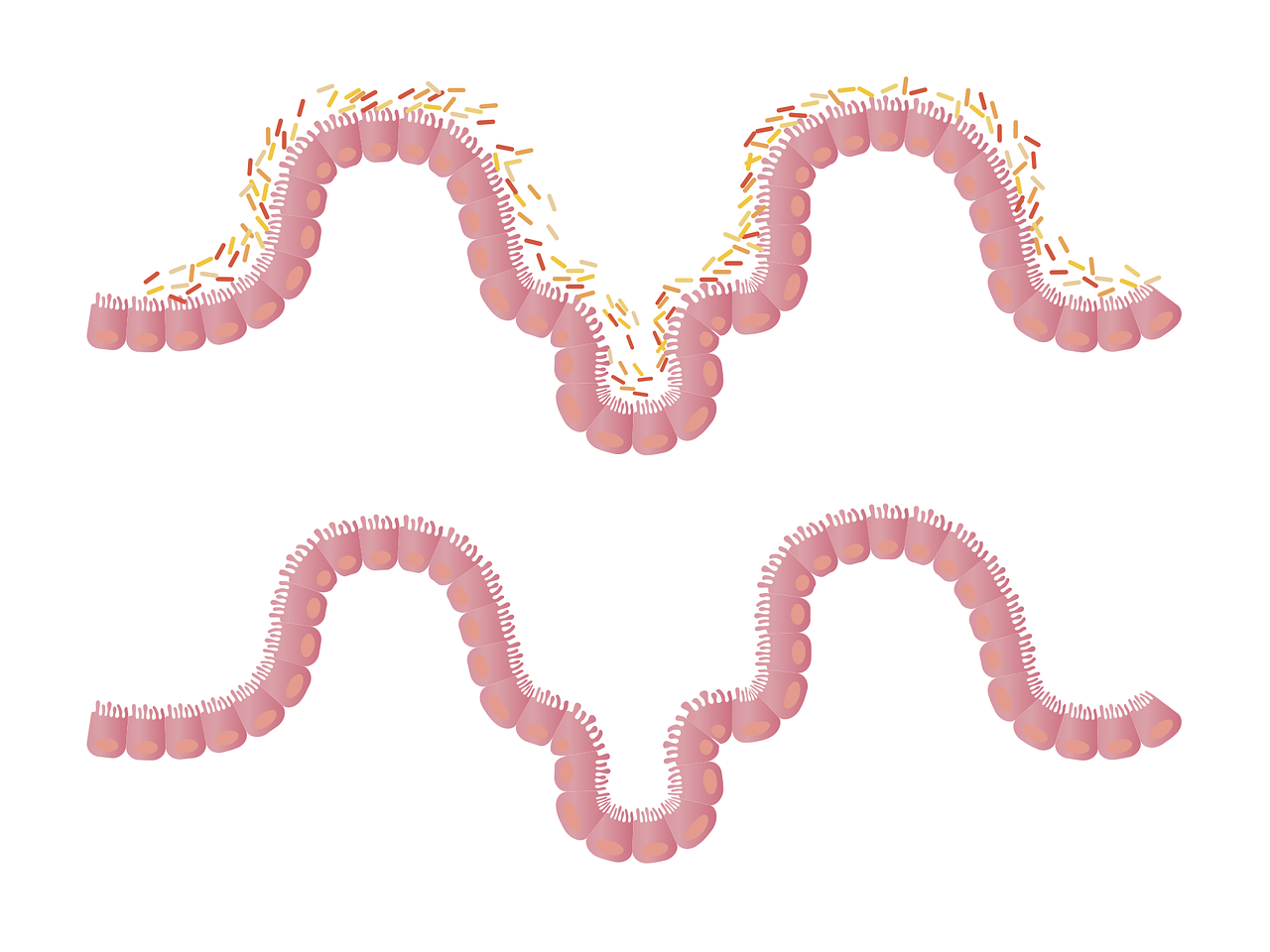
The intricate relationship between gut health and body composition plays a significant role in overall wellbeing. The gut houses a complex microbiome, which comprises various microorganisms that aid in numerous bodily functions. A balanced microbiome can positively influence nutrient absorption, energy production, and fat storage, impacting body composition directly. When the gut is healthy, it optimizes digestion and metabolism. On the other hand, an imbalance in gut bacteria can lead to digestive issues, which may hinder the nutrient absorption process. Furthermore, an unhealthy gut can result in increased inflammation, which is linked to weight gain and obesity. Consequently, the quality of the diet impacts gut health, and hence, body composition. Consuming a diet rich in fiber, prebiotics, and probiotics is crucial for maintaining an optimal microbiome. Foods such as whole grains, fruits, vegetables, and fermented products contribute to gut health and, in turn, help control body weight. A focus on gut-friendly dietary choices can support a healthier body composition, emphasizing the impactful interplay between what we eat and our overall health and physical appearance.
Maintaining a healthy body composition is not only about calories; it’s also about the types of food consumed. A diet high in processed foods and sugar can encourage the growth of harmful bacteria within the gut, leading to poor gut health. This imbalance can trigger cravings for unhealthy foods, creating a vicious cycle detrimental to body composition. A balanced microbiome, however, encourages the consumption of nutrient-dense foods, reducing the likelihood of overeating and promoting a healthy weight. Studies indicate that individuals with a diverse microbiome tend to make healthier food choices and maintain a stable weight. Dietary diversity can promote a wide range of beneficial bacteria, which not only aids in digestion but also plays a role in metabolism regulation. Additionally, certain foods, like those rich in omega-3 fatty acids, have been shown to encourage the growth of beneficial gut bacteria. A conscious effort to include a variety of whole foods in the diet while minimizing processed options can significantly enhance gut health. Over time, this approach supports not only a healthy gut but also an ideal body composition, proving that a mindful diet truly matters.
The Impact of Probiotics on Body Composition
Probiotics have garnered attention for their potential benefits in body composition management. These beneficial bacteria, found in supplements and various foods, positively impact gut health. Fermented foods, such as yogurt, kefir, and kimchi, are excellent sources of probiotics. Incorporating these into daily diets can help restore the balance of gut bacteria, fostering an environment conducive to healthy digestion and metabolism. Probiotics can also influence the absorption of fats and carbohydrates, potentially assisting in weight management. Some studies have suggested that specific strains of probiotics can aid in fat loss, particularly around the abdominal region. Furthermore, they may promote a feeling of fullness, reducing overall calorie intake. This effect can be particularly beneficial for individuals struggling to manage their weight or those looking to enhance their body composition. While not a magic solution, incorporating probiotics can be an effective component of a holistic dietary approach. Continued research is essential to understand the specific strains and their optimal doses for the best results. Probiotics, combined with balanced nutrition, can support long-term health and body composition goals.
Dietary choices significantly shape our gut microbiome and consequently influence body composition. Foods high in sugars and unhealthy fats can compromise gut health by promoting the growth of harmful bacteria. Prioritizing a diet that emphasizes whole foods, including fruits, vegetables, lean proteins, and healthy fats, is vital for maintaining gut flora equilibrium. Fiber-rich foods not only enhance digestive health but also promote the thriving of beneficial gut bacteria. This prompts better nutrient absorption and a more efficient metabolism, essential for achieving a balanced body composition. Moreover, maintaining optimal hydration supports digestive health. Water helps create an environment conducive to beneficial bacteria while aiding in the digestion process. Additionally, regular physical activity complements dietary efforts, promoting gut health and an optimal metabolic rate. Exercise has been shown to positively affect the microbiome, fostering diversity and encouraging the growth of beneficial bacteria. Thus, a synergistic approach that incorporates both a healthy diet and regular exercise can lead to improved gut health and, ultimately, better body composition outcomes. This holistic strategy underlines the significance of dietary choices in achieving individual health and fitness goals.
Inflammation, Diet, and Body Composition
Chronic inflammation stemming from an unhealthy gut can adversely affect body composition. Research indicates that gut dysbiosis may contribute to inflammation, influencing fat storage and distribution. An inflamed gut can lead to insulin resistance, a condition characterized by the body’s diminished ability to respond to insulin, leading to elevated blood sugar levels and weight gain. The link between gut health and inflammation highlights the importance of diet in managing body composition. Anti-inflammatory foods, such as berries, leafy greens, nuts, and fatty fish, play a crucial role in reducing inflammation and supporting gut health. Consistently consuming these foods can help restore balance in the gut microbiome, which may reduce the risk of obesity. Additionally, omega-3 fatty acids found in fatty fish possess anti-inflammatory properties, making them a beneficial dietary choice. A diet rich in antioxidants also aids in counteracting the oxidative stress that can arise from an unbalanced gut. Therefore, by prioritizing anti-inflammatory dietary choices, individuals can enhance gut health while positively influencing their body composition. This highlights the interconnected relationship between inflammation, diet, and overall health.
Mindful eating practices are a significant aspect of maintaining gut health, which subsequently affects body composition. This approach emphasizes being aware of hunger cues, eating slowly, and savoring each bite, allowing for better digestion and satisfaction. Mindful eating can help prevent overeating, contributing to healthier weight management. Psychological factors play a vital role in the gut-brain axis, where what we think and feel can affect our gut health. Stress can negatively impact gut function, leading to an imbalance of bacteria and digestive issues. A diet rich in whole, nourishing foods can provide the essential nutrients needed to combat stress on the body. Therefore, integrating mindfulness into dietary habits can bolster gut health. One can practice mindfulness by encouraging a focused and relaxed eating environment, minimizing distractions, and promoting gratitude toward the food consumed. As this practice develops, individuals may find it easier to choose wholesome foods and recognize their body’s nutritional needs. Ultimately, this creates a positive feedback loop, where improved gut health fosters a healthy body composition, reinforcing the value of mindful eating strategies in achieving health goals.
Conclusion and Future Directions
The connection between gut health and body composition underscores the critical role diet plays in overall wellness. A balanced microbiome can significantly impact metabolism, nutrient absorption, and inflammation levels, all of which contribute to body composition. Integrating whole foods, probiotics, fiber, and anti-inflammatory options into one’s diet can foster a healthier gut and, consequently, a more favorable body composition. Ongoing research continues to shed light on the intricacies of this relationship, emphasizing the need for personalized dietary approaches based on individual gut profiles. Healthcare professionals may consider incorporating dietary assessments within routine examinations to ensure gut health is prioritized. As awareness of gut health grows, communities can invest in educational resources that promote dietary habits beneficial for gut systems. Future developments may also explore supplementations or targeted diets that cater specifically to varying individual microbiomes. Ultimately, enhancing gut health through diet stands out as a significant strategy for improving body composition. This holistic approach will further emphasize the interdependence of dietary choices, gut health, and overall wellbeing, paving the way for healthier lives.
Understanding how to optimize one’s diet for a healthier body composition requires a multi-faceted approach. Encouraging local production and consumption of gut-friendly foods can strengthen community health. Governments and organizations worldwide need to acknowledge the importance of gut health in public health strategies. Additionally, healthcare and nutrition professionals should ensure accessible information about gut health, promoting sustainable dietary habits rich in prebiotics and probiotics. Facilities that encourage community gardening and farmers’ markets will educate individuals about healthy choices. Such initiatives can influence the population’s overall commitment to consuming whole foods rather than processed options. In schools, educating young individuals about the importance of a balanced diet facilitates long-term health awareness. Collectively, these efforts can boost individual and community health outcomes while reducing incidences of obesity and diet-related disorders. Through education, resources, and community support, the shift toward addiction to unhealthy foods can be counteracted. Recognizing the profound impact that a healthy gut can have on body composition is essential. By fostering a culture of health-focused dietary choices and building awareness of gut health, we can ensure more promising outcomes for future generations.