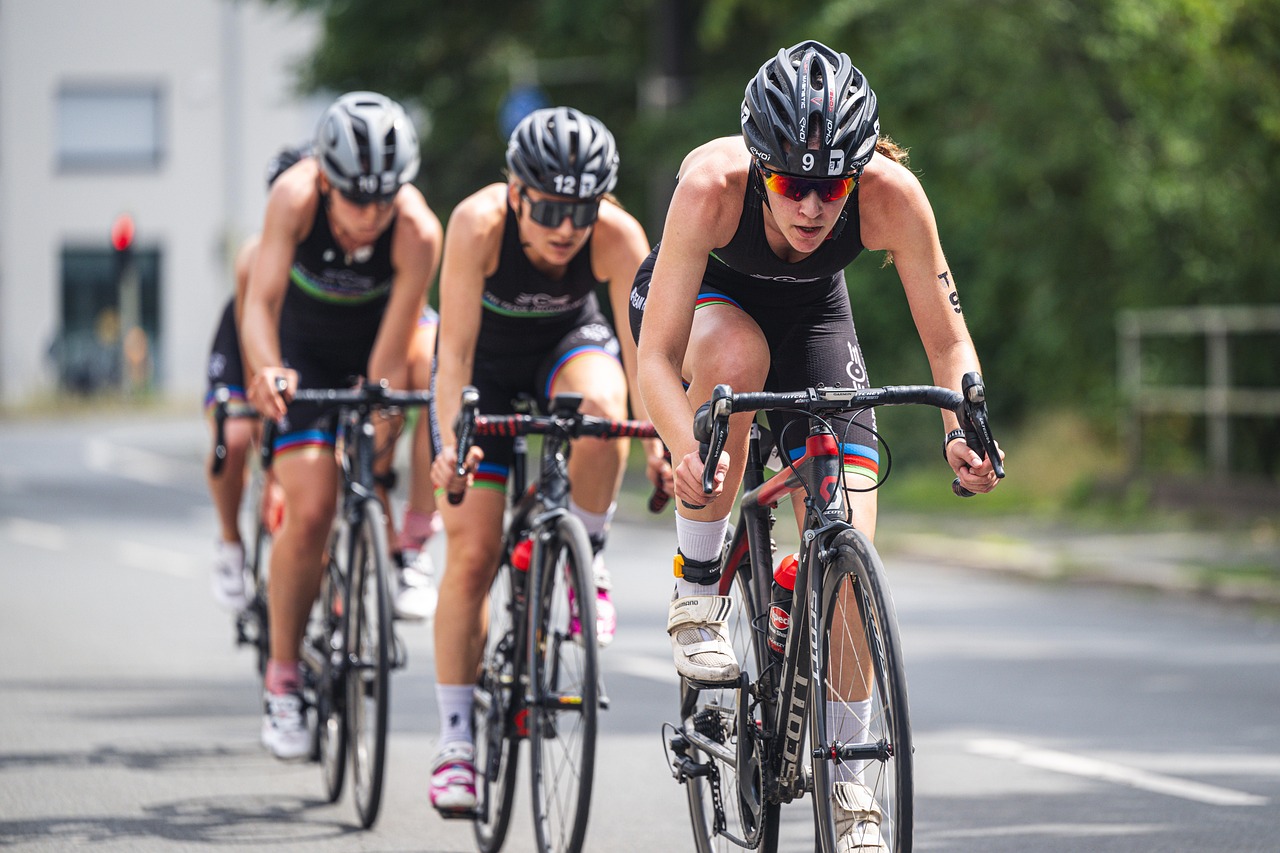

Technology Trends in Group Cycling Classes
In recent years, the integration of technology in group cycling classes has transformed the traditional exercise approach, making it more engaging and effective for participants. One significant trend is the use of advanced stationary bikes equipped with smart technology. These bikes often include digital screens that display important metrics such as speed, distance, resistance, and heart rate, providing instant feedback to users. Additionally, many classes have incorporated live leaderboard functionalities that encourage friendly competition among cyclists. This gamification aspect enhances motivation and helps members push their limits, making workout sessions more enjoyable. Furthermore, virtual cycling experiences are on the rise, allowing participants to join classes from anywhere, fostering inclusivity for those unable to attend in person. Mobile apps developed for cycling classes promote engagement by offering personalized workout plans and tracking progress over time. This integration of tech not only boosts performance but also enhances social connection among participants. As these trends continue to rise, fitness facilities can expect to see increased retention rates and member satisfaction. To stay competitive, it is crucial for gyms to invest in the necessary equipment and technology.
Enhanced Interaction through Technology
Another noteworthy trend in group cycling classes is the emphasis on community and engagement through technology. Nowadays, fitness studios employ various digital platforms that connect members before and after classes, enhancing their overall experience. Platforms that enable users to share their cycling statistics and achievements foster a sense of belonging among participants. Social media integration is also vital; many studios encourage members to post their workout results, which not only highlights the individual’s progress but also promotes the community aspect. As more instructors opt for real-time streaming of classes, participants can interact seamlessly through chat features or live comments, creating an immersive experience. The use of wearable technology, such as smartwatches and heart rate monitors, enables participants to monitor their performance indicators continuously. These devices sync with the class systems to provide feedback during workouts, making it easier for participants to adjust their efforts and strive for their goals. As the demand for accountability grows, leveraging technology to enhance interaction is essential for maintaining momentum and relevance in the competitive fitness landscape.
Customization is key in today’s fitness culture, and this is certainly true in group cycling classes as well. With technology, fitness providers are now able to offer personalized experiences tailored to individual needs. This can be achieved through the use of artificial intelligence that learns from user data and preferences over time. By analyzing past performance, instructors can suggest class types or specific drills that align with individual fitness goals. Moreover, many platforms now incorporate customized playlists that cater to a user’s music taste, enhancing motivation throughout the session. The option for participants to choose cycles based on their preferences, such as duration or intensity, further deepens the customization aspect. Additionally, post-class analyses can also be personalized, providing members with insights and suggestions based on their performance metrics from the class. This level of personalization ensures that participants remain engaged and feel valued, leading to lower dropout rates and higher satisfaction. For studios, offering these personalized experiences can give them a competitive edge within the ever-evolving fitness industry.
Wearable Technology Integration
Wearable technology has revolutionized the fitness landscape, and its integration into group cycling classes is a prime example of this trend. Many instructors encourage participants to use smart devices that track heart rates, calorie expenditure, and effort levels, enhancing the workout experience. This data not only empowers users to optimize their performance during classes but also leads to informed decisions about personal training regimens. Integration with mobile applications allows users to share their stats automatically, fostering competitive spirit. The ability to access real-time heart rate data helps cyclists manage their exertion levels and ensure they are training within optimal heart rate zones for maximum benefits. Many studios offer challenges based on data gathered through wearables, further promoting motivation among members. This real-time feedback loop reinforces not only physical engagement but also encourages a community feeling as participants challenge each other. As technology advances, we can expect wearable devices to become even more integrated into class formats, allowing for a holistic approach to fitness that extends beyond the gym setting. Such integration ultimately elevates the standard of group cycling experiences.
The revolution of fitness technology in group cycling also brings its share of challenges. As studios strive to integrate more advanced technologies, they must also consider the financial implications of purchasing and maintaining these sophisticated systems. Moreover, it is essential for trainers and staff to receive adequate training on how to utilize these technologies effectively. Without sufficient knowledge, the benefits they can offer would not be fully realized. Additionally, as classes incorporate more technology, ensuring that all participants can enjoy a smooth experience becomes critical. This includes providing tech support during sessions to assist members who might face technical difficulties. Security and data privacy also present considerable concerns. Studios must ensure user data collected via apps and wearables is secure and used responsibly. Ensuring compliance with regulations such as GDPR can be resource-intensive. Balancing the technological advancements with the traditional group cycling experience is crucial; maintaining human interaction is equally important. To navigate these challenges, fitness facilities often conduct regular assessments to ensure they are meeting both member needs and financial expectations while embracing advancement.
The Future of Group Cycling Classes
Looking ahead, the evolution of technology in group cycling classes is expected to accelerate. As more innovations emerge, we can anticipate more immersive experiences, such as virtual and augmented reality integration, making classes more engaging. These technologies can simulate outdoor cycling experiences or create exciting, themed environments that captivate participants’ imaginations. Additionally, artificial intelligence could play a significant role in enhancing personalization and making real-time adjustments to workouts based on group dynamics or individual needs. Collaborations with health tech companies may also emerge, facilitating access to cutting-edge fitness solutions, further enhancing the cycling experience. Moreover, sustainability in technology is becoming increasingly relevant; studios might adopt eco-friendly equipment powered by renewable sources. Innovations that track sustainability metrics could appeal to environmentally-conscious members. Finally, the role of community is likely to become even more pronounced, as technology fosters connections among participants across different platforms and classes. This constant connection could encourage loyalty and retention among members, leading to long-term success for fitness studios that prioritize such technological advancements in their offerings.
In conclusion, the incorporation of technology into group cycling classes is forging a new path for the fitness industry. From smart bikes that offer real-time feedback to the rise of gamification and social sharing, these trends are reshaping how participants engage with fitness. With wearables that track personal performance and foster competition, participants are motivated to achieve their goals. Customization through AI and mobile apps further enhances individual experiences, ensuring that classes cater to each person’s needs. While challenges such as cost, training, and data privacy must be navigated, the benefits of embracing technology are abundant. As the industry evolves, studios that adapt and innovate will thrive in delivering unique fitness experiences. Looking to the future, we must remain open to continual advancements that make cycling classes not only more effective but also enjoyable. Those who embrace and leverage these technological trends will redefine the cycling landscape, making workouts more engaging, fun, and accessible for a broad audience. It’s an exciting time for group cycling, with the potential to revolutionize how we perceive and experience fitness activities as a community.
Fitness facilities play a crucial role in fostering a culture that embraces technology, ultimately transforming group cycling classes.