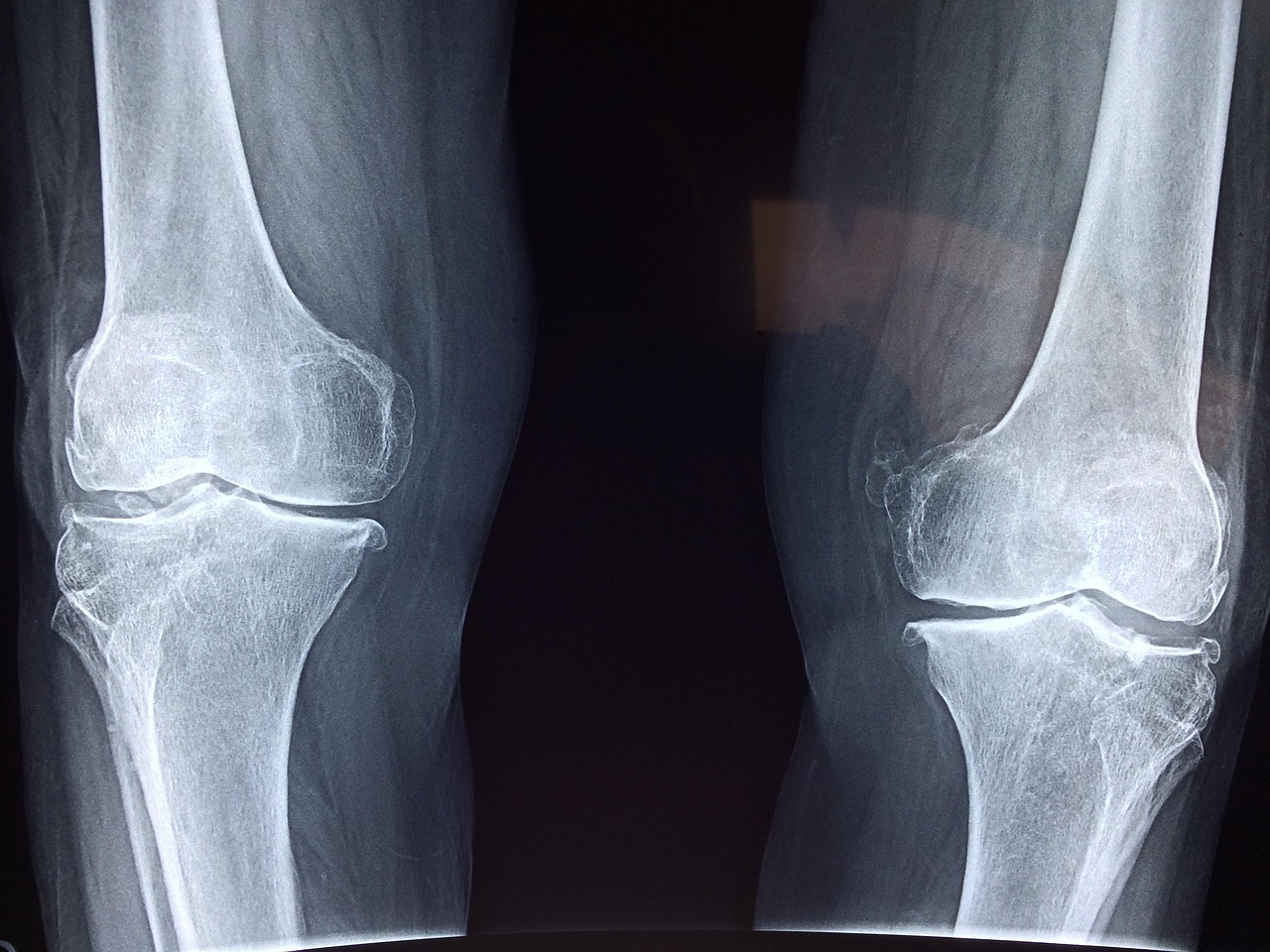

Protecting Your Joints: Safety Guidelines for Training
When engaging in any training regime, safety should always be a primary concern. Incorporating specific safety tips into your training can help protect your joints from unnecessary stress and injury. First, warm-up properly before any workout to prepare your muscles and joints for the strain ahead. This can include light cardio or dynamic stretches. Avoid any sudden, jerky motions during your routine, and instead focus on smooth, controlled movements. Aim for having the proper form as it significantly reduces the chance of injury. Consider consulting with a personal trainer to ensure you are performing each exercise correctly, especially if you are new to a training program. Incorporate rest days effectively into your training schedule, allowing your body to recover. Hydration is also key; keeping your joints lubricated helps to avoid stiffness. Lastly, always listen to your body; if something feels wrong, don’t push through the pain. Modify your workouts accordingly, and seek professional advice if necessary. Prioritizing these joint safety tips will help enhance your training experience and maximize your results.
It’s crucial to select appropriate footwear during any training activity. The right shoes provide support, absorb shock, and help maintain proper alignment. Choose a pair specifically designed for your chosen activity, keeping in mind factors such as foot arch, size, and material. Avoid wearing worn-out shoes; they can cause misalignment and lead to joint pain. Along with proper footwear, consider the surface you are training on. Training on hard surfaces can increase the impact on your joints, so choose softer surfaces whenever possible. Consider using mats or carpeting for exercises that involve lying down or rolling. Additionally, you could invest in cushioned insoles for added support. When transitioning into more advanced workouts, do so gradually. Sudden changes in intensity can place excessive stress on your joints. Allow your body to become accustomed to new exercises slowly, increasing difficulty over time. Multi-joint workouts can also be beneficial as they promote stability and strength across various muscle groups. Remember to cross-train, incorporating different types of workouts to minimize repetitive strain on specific joints.
Understanding Joint Preparation Techniques
A vital aspect of joint safety is understanding the importance of flexibility and strength training. Incorporate exercises that focus on these areas at least twice a week. Flexibility exercises like yoga and Pilates promote joint health by increasing range of motion while reducing stiffness. These exercises also contribute to better posture, ensuring that your body mechanics during workouts are optimal. Strength training, especially for the core, stabilizes the body and helps distribute forces evenly across joints to prevent injury. Incorporate exercises that target major muscle groups and stabilize smaller joint-supporting muscles. Balance training is another crucial factor; it engages the proprioceptors in the body which help maintain joint stability during movement. Exercises like standing on one leg or using balance boards can significantly improve your joint stability. Don’t forget about cool-downs; they’re essential for recovery and for easing muscle tension after workouts. Incorporate static stretches at the end of your training sessions to maintain flexibility and prevent stiffness. By focusing on both strength and flexibility, you can create a well-rounded approach to protecting your joints during training.
Nutrition also plays a fundamental role in maintaining joint health. Consuming a balanced diet rich in vitamins and minerals necessary for joint maintenance is non-negotiable. Omega-3 fatty acids, found in fish like salmon and walnuts, help reduce inflammation and joint pain. Incorporate plenty of fresh fruits and vegetables, which provide antioxidants that combat oxidative stress in joints. Foods rich in calcium and vitamin D, such as dairy products, leafy greens, and fortified foods, are essential for maintaining bone density, directly affecting joint health. Additionally, keeping an eye on your weight can reduce the stress on weight-bearing joints, such as knees and hips. Aim for a sustainable weight loss or maintenance plan if you are overweight. Staying active is equally important; a sedentary lifestyle can weaken muscles that support joints. Engage in regular physical activities that emphasize low-impact exercises, like swimming or cycling, that gets you moving while being gentle on your joints. Overall, combining proper nutrition with a consistent exercise routine will significantly enhance joint protection while optimizing training efficiency.
Recognizing Signs of Injury
Understanding the signs of potential joint injuries is critical for ensuring a safe training environment. Joint pain that persists post-exercise could be an indication of overuse; don’t ignore it. Pay attention to sharp pains or swelling during or after workouts, as they indicate injuries that may require immediate rest and medical consultation. If you experience joint instability, such as your knee or ankle giving way without warning, seek assistance from a medical professional. Likewise, if you find yourself compensating in other parts of your body to alleviate joint pain, it could lead to additional injuries over time. Keeping a training journal to document your workouts, including pain levels and discomfort, can help identify patterns that may indicate the need for adjustments. Don’t hesitate to revisit or modify your training plan based on new insights regarding joint pain. Regular check-ups with a physician or physical therapist specialized in sports medicine can provide essential feedback on your joint health. Remember, early detection can prevent more severe injuries, so prioritize awareness and proactive management.
Supplementation can also contribute positively to joint health, but it’s essential to approach this wisely. Before adding any supplements into your regime, always consult with a healthcare professional. Supplements such as glucosamine and chondroitin sulfate can help improve joint mobility and reduce pain in some individuals, although results may vary. Curcumin, found in turmeric, is an anti-inflammatory compound that may also bring relief to aching joints. Fish oil, rich in omega-3s, is another excellent addition to aid in reducing inflammation. When considering supplements, pay attention to the quality and sourcing. Look for third-party testing certifications to ensure you’re getting effective products without contaminants. Some individuals may also consider collagen supplements, which can enhance skin and joint health. Adopting a comprehensive approach to joint care, involving proper nutrition, exercise, and supplementation provides a more substantial defense against injury during training. Create a personalized plan tailored to your body’s needs, integrating any relevant supplements as necessary, all while considering your overall wellbeing.
Conclusion and Long-term Joint Health
In conclusion, safeguarding your joints involves a mix of knowledge, proactive measures, and listening to your body. Awareness of proper techniques for training will significantly decrease the risk of injury. Incorporate comprehensive warm-ups, flexibility work, and proper footwear to create a sound foundation for your workouts. Nutrition plays an invaluable role; focus on a balanced diet that supports joint health while maintaining optimal body weight. Joint strength and stability should be a priority; regularly practice strength, balance, and flexibility exercises to protect your joints. Always be vigilant about any signs of overuse or injury. Equip yourself with a training strategy that considers rest, recovery, and cross-training to promote long-term joint health. Consider seeking professional guidance when embarking on new workout regimens or if experiencing pain. A well-thought-out approach to joint safety will not only enhance performance but encourages longevity in your training journey. By being proactive and responsible, you’ll ensure a fulfilling and injury-free training experience, allowing you to persist in achieving your fitness goals.