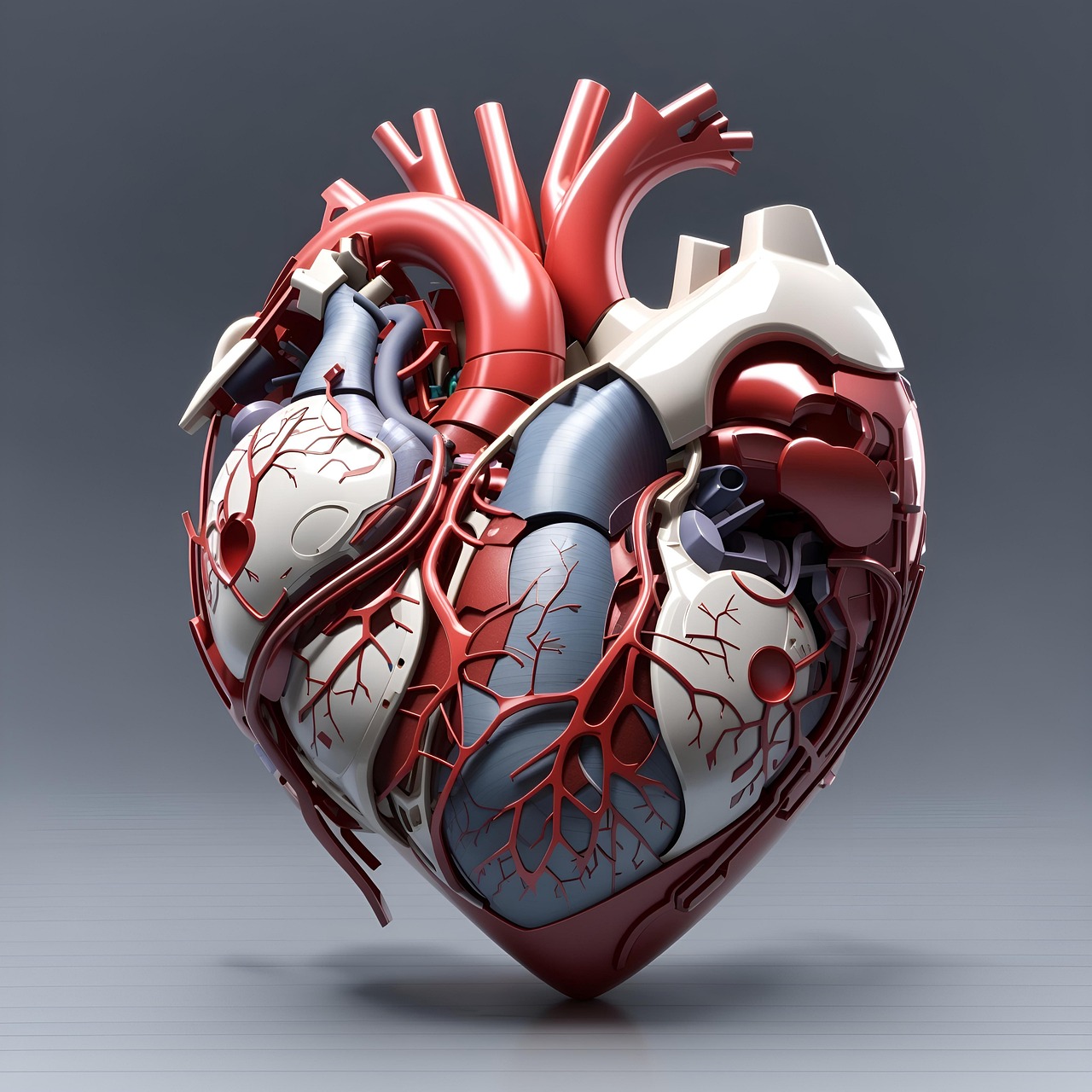

How to Track Your Progress in Cardiovascular Training
Embarking on a cardiovascular training journey requires a clear understanding of your goals. Being clear about what you want to achieve is crucial for success. Many individuals aim to enhance stamina, improve heart health, or lose weight. The first step is assessing your current fitness level and defining specific, measurable, achievable, relevant, and time-bound (SMART) goals. This approach helps in tracking progress effectively. Setting short-term and long-term goals allows for a better focus on what needs improvement. It’s important to monitor your exercise frequency, intensity, and duration. Utilize a fitness journal or digital app to record your workouts. Write down the type of activity performed, duration, and how you felt during the session. This not only creates a clear history of your workouts but also aids in recognizing trends and making necessary adjustments. Remember that individual variations exist, making personalization of your training vital. Look forward to making consistent adjustments based on your recorded data to ensure optimal results as you progress on your cardiovascular training path.
After establishing your goals, it’s essential to choose suitable tracking methods. One popular option is utilizing wearable technology, such as fitness trackers or smartwatches. These devices offer real-time feedback on heart rate, calories burnt, and distance covered. Utilizing apps syncing your workouts can be particularly beneficial. Another efficient way to monitor progress is through regular fitness assessments, such as timed runs, max heart rate tests, or distance trials. Checking in on how your body responds during these assessments provides insights into cardiovascular improvements over time. In addition, keeping an accurate log of your workouts will help emphasize your dedication. Consider documenting how you felt during exercises—both physically and mentally. This reflection allows for recognition of accomplishments that might not be immediately visible. Variability in workout intensity and consistency can also influence performance improvements. Always evaluate your progress against your initial fitness assessments to gauge how far you’ve progressed. Consistently incorporating new techniques, such as interval training, will challenge your cardiovascular system and stimulate improvement.
Understanding Your Heart Rate
A fundamental aspect of tracking progress in cardiovascular training is understanding your heart rate. Heart rate is a significant indicator of how effectively your cardiovascular system functions. Monitoring your resting and active heart rates can provide meaningful insights into your fitness level. Establishing a baseline of your resting heart rate helps track improvements over time. Ideally, a lower resting heart rate can signify a more efficient heart. Likewise, tracking your heart rate during exercises can help you maintain an appropriate intensity level. To optimize training, familiarize yourself with different heart rate zones. Each zone—namely, very light, light, moderate, hard, and maximum—targets unique aspects of fitness and helps develop stamina. Using heart rate monitors enables you to tailor workouts to your goals, ensuring that you’re training at the desired intensity. Interval training can especially benefit from this approach, allowing you to push your limits safely. Avoid over-exertion by acknowledging signals from your body and adjusting paces accordingly. By understanding heart rate dynamics, you can enhance your cardiovascular training effectiveness.
In addition to heart rate monitoring, considering other metrics can enhance your progress tracking. Metrics such as VO2 max, the maximum rate of oxygen consumption during intense exercise, can indicate cardiovascular fitness level. Fitness assessments at health facilities often measure your VO2 max, allowing an accurate depiction of endurance capacities. Another important factor to consider is perceived exertion, which emphasizes how hard you feel you’re working during exercise. The Borg Scale categorizes this sensation on a scale, helping understand fatigue levels and adjust efforts. Analyzing qualitative and quantitative data from workouts allows a fuller picture of your cardiovascular health. For instance, an increase in endurance, the ability to hold specific paces longer, can illustrate progress. Also, look into your recovery times between workouts as a guide to your improvements. Quicker recovery denotes enhancements in cardiovascular efficiency. Equally, track other physical changes, such as weight or body composition, as they reflect the holistic impact of your training and lifestyle adjustments. This comprehensive tracking helps maintain motivation as you watch your physical fitness evolve.
Setting Realistic Milestones
While tracking progress, it’s vital to set realistic milestones along your cardiovascular training journey. Achieving small, incremental goals cultivates a sense of accomplishment. These milestones also serve as checkpoints, providing motivation to keep moving forward. For instance, if your aim is to run a 5K, set interim milestones such as running 1 mile, then 2 miles, progressively increasing your distance. Utilizing these milestones helps maintain motivation by creating tangible achievements, which can lighten the arduous training path. Celebrate each accomplishment, regardless of size, as they are all stepping stones to your ultimate goal. You might consider rewarding yourself with new workout gear or registering for local races as incentives. Be prepared for fluctuations in your performance; setbacks are often part of any progress story. Embrace these moments by adjusting your training plan rather than seeing them as failures. Consistent evaluation of your milestones may reveal necessary modifications to your approach based on your experiences. Moreover, seek support from friends, trainers, or fitness communities for accountability in accomplishing your milestones. Connection with others can significantly amplify your journey.
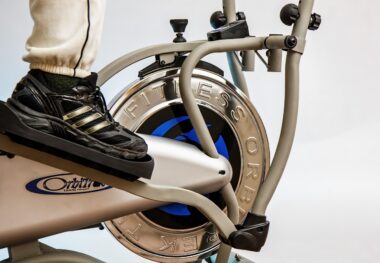
As you continue to track your cardiovascular progress, maintaining adaptability in your training regimen is crucial. Incorporating diverse forms of exercise keeps routines interesting. Experiment with various cardiovascular activities, like cycling, swimming, or interval sessions, to stimulate different muscle groups and energy systems. Switching up your workouts also helps prevent physical and mental burnout. Additionally, varying training intensity is beneficial for performance optimization. Integrate recovery periods into your training, as recovery is equally important as exertion. Monitoring your energy levels throughout workouts will help discern when to push forward or take a step back. Realize that training isn’t linear; ups and downs are expected. Incorporating enjoyable activities into your regimen allows sustainability in the long run. Gradually increase challenges by imposing lighter or heavier workloads when you’re feeling more capable. Balancing intensity and volume levels while remaining mindful of your body’s signals helps maximize your training benefits. This way, your progress becomes not only more measurable but also much more enjoyable as you continue pushing your cardiovascular fitness boundaries.
Utilizing Feedback for Continuous Improvement
Lastly, effective progress tracking in cardiovascular training involves utilizing feedback mechanisms for ongoing improvement. Regular self-reflection and analysis provide valuable insights into your training patterns and overall health. After each session, spend a few moments evaluating your workout’s feedback. Consider journaling your thoughts to pinpoint what goes well and what needs adjustment. Based on these reflections, adapt your training sessions accordingly for future successes. Engaging with professional trainers or online fitness communities can enhance your progress tracking. By discussing challenges, successes, and experiences, you reinforce accountability in your training. Nutrition also plays a significant role; track your dietary habits to complement your exercise regimens. Ensure that your body receives adequate fuel for recovery and performance. Pair your cardiovascular training with a balanced diet, maximizing the benefits of your hard work. Don’t hesitate to seek experts for guidance in nutrition and training. Your approach and mindset towards tracking should evolve as you progress. Being proactive in seeking feedback from all angles ensures continuous growth and improvement on your journey to better cardiovascular fitness.
Continuing your cardiovascular training journey with well-rounded strategies leads to remarkable improvements. By setting clear and measurable goals, understanding heart rate dynamics, and celebrating small milestones, your training experience becomes both enjoyable and productive. The key lies in tracking various metrics and incorporating flexible workout plans to adapt to personal progress. Additionally, maintain an awareness of your body’s response to workouts while fostering a sense of community and guidance in your fitness journey. This holistic approach not only informs you of your advancements but also motivates you to pursue excellence in cardiovascular training.