
How to Perfect the Downward Dog Pose
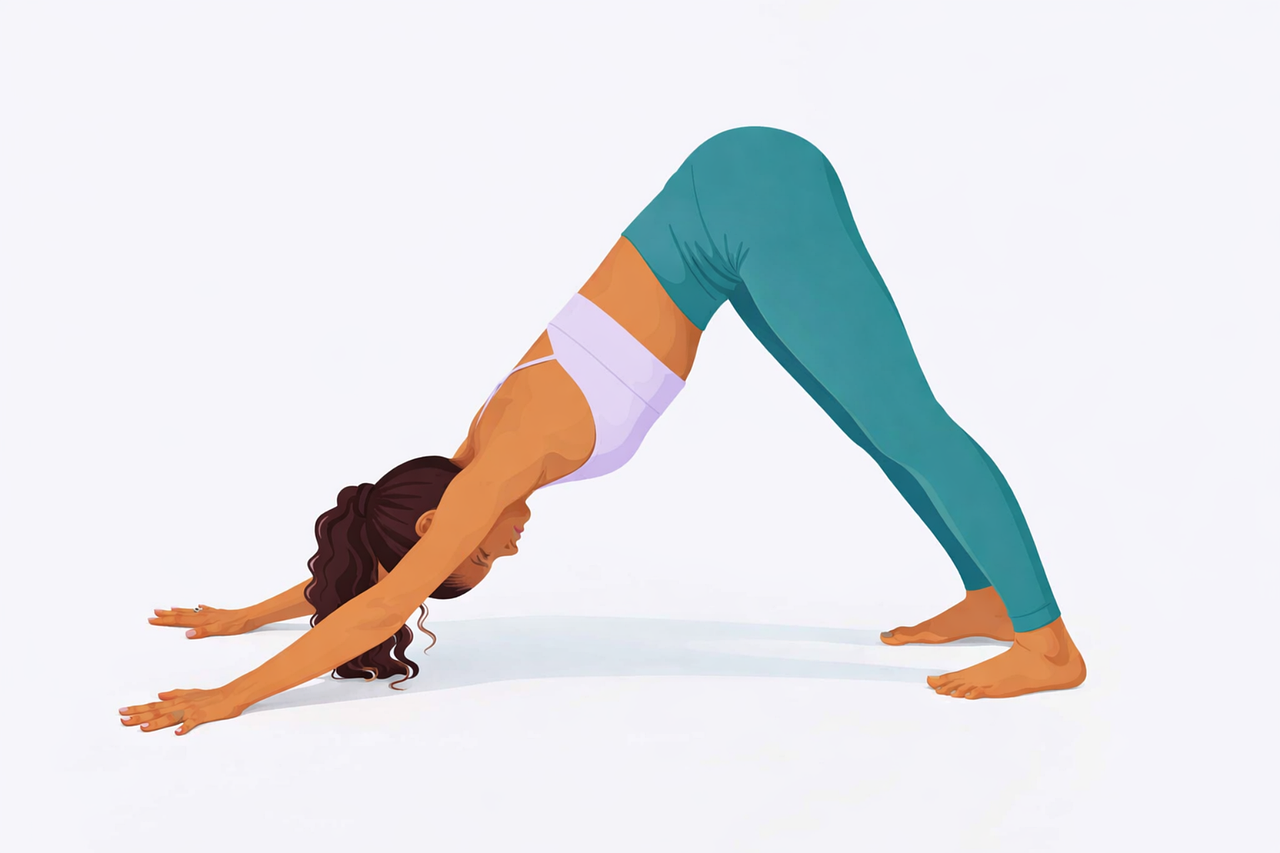
The Downward Dog Pose, known as Adho Mukha Svanasana, is a foundational yoga pose with significance in numerous styles of yoga. This pose helps to stretch the spine, hamstrings, calves, and shoulders, while also strengthening the arms and legs. To perfect this pose, it’s essential to focus on your alignment and breathing. Start in a tabletop position on your yoga mat, ensuring your wrists are directly under your shoulders and your knees under your hips. Spread your fingers wide and press firmly into the mat to create a solid base. As you exhale, tuck your toes under and lift your hips upward, creating an inverted V-shape with your body. Keep your knees slightly bent if you cannot reach your heels to the floor initially. Ensure your neck is relaxed, and gaze toward your navel or thighs. Hold the position for several breaths, allowing your body to gradually open. It’s recommended to practice this pose regularly to enhance flexibility and strength while also promoting mental clarity and focus. You might find it helpful to engage with a Certified Yoga Instructor for personalized feedback and support.
As you practice Downward Dog, it’s vital to listen to your body and avoid pushing yourself too hard. If you feel any discomfort in your back or shoulders, reassess your form. Here are some common mistakes to avoid while practicing: 1) Rounding your back instead of maintaining a flat spine. 2) Letting your head dangle instead of keeping it neutral. 3) Allowing your feet to be too far apart or together, which can affect stability. 4) Not engaging your core muscles properly while transitioning into the pose. To deepen your practice, consider incorporating modifications such as using blocks under your hands if your floor feels too far away. This can help keep your spine aligned. Also, practicing with your heels lifted off the ground initially can relieve tension in your hamstrings until you gain sufficient flexibility. Over time, as your strength improves, aim to gradually lower your heels while keeping your form intact. Remember, the journey to mastering any yoga pose is a personal one. Celebrate small victories while maintaining patience and commitment to your practice.
Breathing Techniques for Downward Dog
Breathing plays a crucial role in yoga and can significantly impact your Downward Dog practice. Proper breath control not only enhances relaxation but also helps you maintain the pose longer. As you begin the pose, take a deep inhale through your nose, filling your lungs completely. This fullness allows for an expansive stretch. Exhale slowly through your mouth as you lift your hips and extend your spine. A common technique is the Ujjayi breath, characterized by a subtle constriction in the throat. This breath creates a soothing sound, often referred to as ocean breath. While holding the Downward Dog, maintain a rhythmic breathing pattern, inhaling for a count of four and exhaling for a count of four. If at any point you feel your breath becoming uneven or strained, gently return to a seated position for a few moments before retrying the pose. Practicing mindfulness of breath will not only improve your Downward Dog but also enhance your overall yoga practice. You can also integrate visualization techniques during your inhalations and exhalations as you hold the pose for a deeper connection.
To further enhance your Downward Dog experience, consider the dynamics of your body weight as it distributes in the pose. Ensure that your weight is evenly distributed across your hands and feet while maintaining a solid structure. Engage your abdominal muscles actively, which will create a stronger base and help relieve pressure from your lower back. Focus on pressing the entire length of your palm and fingers into the mat, which activates the arms and shoulders. Your legs should be engaged and pulled upward while keeping your heels pushing down. A helpful tip is to imagine that your body is being pulled upward from the hips while your feet push down into the ground. Regular practice will lead to improvements and deeper stretches. Most importantly, remain patient with yourself; mastering any pose takes time and persistence. If you practice mindfulness, you may find joy in the process rather than just aiming for perfection. Celebrate each small advancement while continuing to connect with your breath and embrace each challenging yet rewarding moment.
Incorporating Variations and Modifications
As you refine your Downward Dog, consider incorporating variations and modifications for a well-rounded practice. For beginners or those with limited flexibility, putting a slight bend in the knees can make the pose more attainable while ensuring your spine remains elongated. This approach takes the pressure off the hamstrings, making it easier to focus on achieving a straight back. You can also try shifting your weight between your hands and feet, known as pedaling the feet. This variation not only helps to warm up your legs but also encourages flexibility and lengthening in your muscles. Advanced practitioners may explore adding a leg lift while in Downward Dog, engaging the core as one leg extends upward, which intensifies the stretch and improves balance and coordination. Always be mindful of your body, remaining open to the adjustments you may need to make based on how you feel. By integrating those variations, you can keep your practice fresh and invigorating while challenging your limits in a healthy way.
Another essential aspect of mastering the Downward Dog Pose is building additional strength and flexibility outside your practice. Engaging in complementary exercises can significantly complement your yoga routine. Strength training exercises focusing on the core, shoulders, and legs will enhance the muscle engagement required for Downward Dog. Push-ups, planks, and shoulder presses are excellent choices to develop upper body strength. On the other hand, activities like Pilates can increase your flexibility and core stability. Stretching before or after your yoga session will improve overall muscle elasticity, aiding in achieving deeper stretches. Additionally, consider maintaining a regular routine of yoga practice other than just Downward Dog, focusing on poses that lengthen and reinforce the muscles engaged in this pose. Poses such as Cow Face Pose and the Pigeon Pose can further assist in increasing hip flexibility, thus benefiting your Downward Dog engagement. Establishing a balanced workout routine is key to a fulfilling practice. Consistency and diligence are vital to your journey in yoga, as they foster growth and transformation.
The Mindfulness Aspect of Downward Dog
Beyond the physical benefits, the Downward Dog Pose offers significant mental advantages, contributing to your mindfulness practice. In our fast-paced world, it is essential to cultivate a sense of awareness and presence during yoga. As you hold Downward Dog, concentrate on your body’s sensations and breathe into the discomfort or tightness in your muscles. Practicing mindfulness in yoga helps you develop better coping strategies for stress and anxiety while improving your overall mental clarity. To engage more fully in mindfulness, try closing your eyes while in the pose, focusing solely on your breath, and letting go of any distracted thoughts. This practice can cultivate inner peace and strengthen your connection with your body. Moreover, you may choose to incorporate affirmations or moments of gratitude during your practice, reinforcing your mental focus and intentions on the mat. Remember, yoga is not just about physical postures but also about the mental focus and spiritual connection it offers. Allow the Downward Dog to be a space for inner reflection and calmness amidst life’s chaos.
In conclusion, mastering the Downward Dog Pose is a rewarding journey that encompasses physical, mental, and emotional growth. To perfect this pose, focus on alignment, breath control, and listening to your body to cultivate a strong foundation. Don’t forget to incorporate modifications and variations to suit your level, ensuring that your practice remains enjoyable and sustainable. Moreover, enhance your overall yoga experience by building strength and flexibility outside the mat and embracing mindfulness during your practice. Set realistic goals and celebrate your growth while acknowledging that yoga is a life-long journey. Each time you step onto your mat, you invite a fresh beginning, a chance to work on yourself holistically, both in body and mind. With dedication and patience, you will find that not only does your Downward Dog improve, but you will also experience enhanced overall wellbeing and happiness in your daily life. Continue your practice with an open heart and mind, allowing yourself to grow and evolve through each session. Ultimately, yoga is a personal journey that unfolds uniquely for everyone.