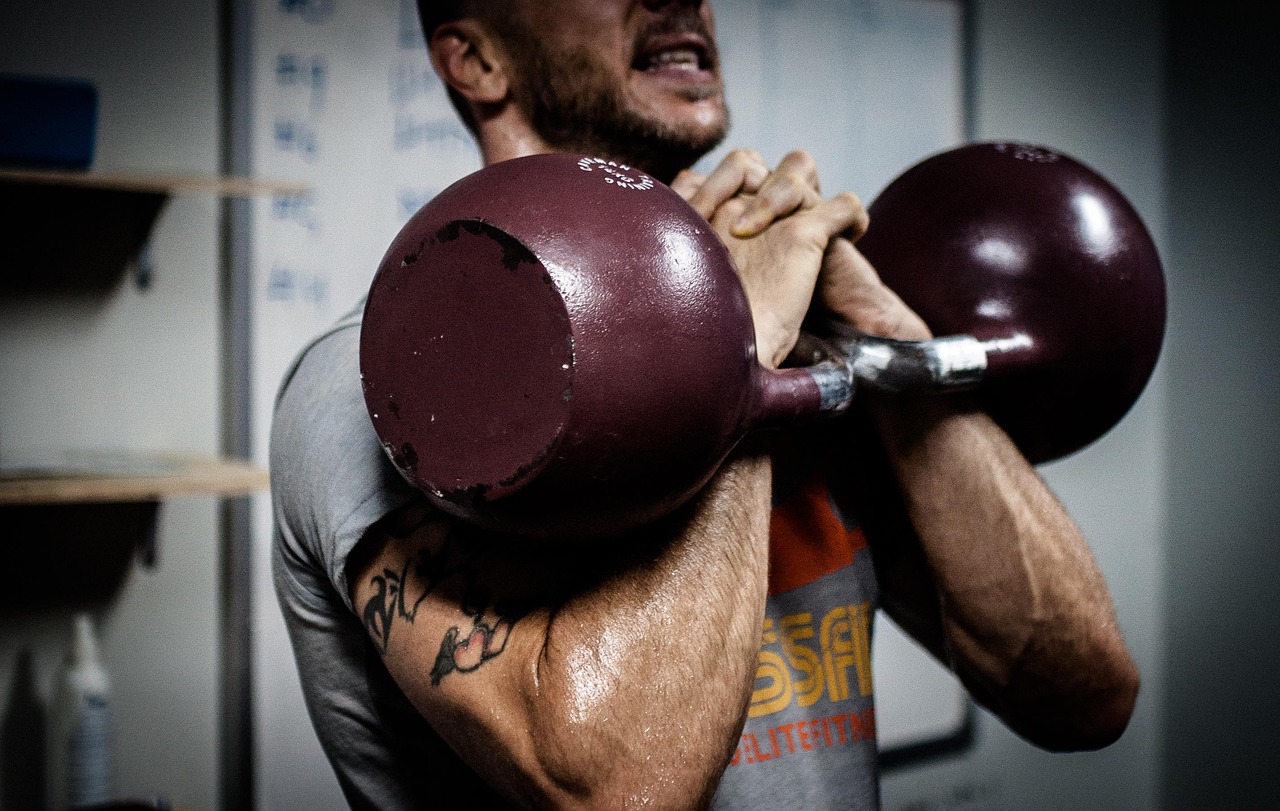

How to Create a Balanced Kettlebell Training Routine
Establishing a balanced kettlebell training routine relies on understanding the key components of effective workouts. These components include strength, endurance, flexibility, and mobility. When structuring your routine, it is essential to include exercises that target all major muscle groups to prevent imbalances. Incorporate variations like swings, snatches, cleans, and presses to challenge different muscles. Aim for a balance between upper and lower body activities. This ensures that your routine promotes functional strength, enhancing overall athletic performance. Include at least one exercise per muscle group for optimal conditioning. Remember that technique is crucial for effective kettlebell training. Proper form reduces the risk of injury and maximizes results. If you’re unsure about your technique, consider seeking guidance from a certified trainer. Moreover, consistency is vital for progress. Establish a workout schedule that allows you to train regularly, ideally three to four times a week. Each session should include a warm-up to prepare your body for the intensity to come and a cool-down to promote recovery. Track your progress to stay motivated and ensure continuous improvement in your kettlebell training journey.
When structuring a kettlebell training program, it’s crucial to design workouts that align with your fitness goals. Determine whether your objectives are primarily focused on weight loss, muscle gain, endurance, or a combination of these. For weight loss, integrate high-repetition kettlebell workouts that keep your heart rate elevated. Consider using lighter weights with quick transitions between exercises. For muscle gain, prioritize strength-focused exercises using heavier kettlebells and lower repetitions. Furthermore, include compound movements that engage multiple muscle groups to maximize resistance and promote hypertrophy. It’s also beneficial to periodically change your workout routine to avoid plateaus and maintain motivation. Swap out exercises, increase weights, or adjust rep ranges. Additionally, factor in recovery periods to allow your muscles time to heal and adapt. Aim for rest days post-intensive workouts to prevent overtraining. Monitoring your nutrition is equally essential, as a well-balanced diet supports your training efforts. Incorporate protein-rich foods to aid muscle recovery and growth. Stay hydrated before, during, and after workouts. Keeping these factors in mind will help create a balanced kettlebell training routine tailored to your individual needs and aspirations.
Incorporating Kettlebell Movements Effectively
Incorporating various kettlebell movements effectively is fundamental to achieving a balanced workout. Start with foundational exercises like the kettlebell swing, which is excellent for developing explosive power and strength in the hips. Follow this with Turkish get-ups, an exceptional exercise that promotes stability, coordination, and overall body strength. As you progress, add in overhead presses and goblet squats to enhance upper and lower body strength. These exercises will help build a strong core, which is essential for overall fitness. Rotational movements, such as the kettlebell windmill, allow enhanced flexibility and strength in the torso. When selecting your movements, ensure they complement each other and allow for proper muscle recovery. For instance, if you’ve focused on leg strength one day with squats, prioritize upper body work the next session. Be mindful of how each kettlebell exercise interacts, focusing on compound over isolation movements, particularly for strength development. Use supersets or circuits to enhance cardiovascular endurance while lifting. Finally, dedicate time for core strengthening exercises to maintain a stable neutral spine during dynamic movements.
To build endurance within your kettlebell training routine, consider incorporating high-intensity interval training (HIIT) principles. Short, intense bursts of kettlebell exercises complement longer rest periods, providing efficient cardiovascular benefits while enhancing muscular endurance. For example, perform 30 seconds of kettlebell swings followed by a 15-second rest, repeating this pattern several times. Additionally, focus on holding proper form even when fatigued, as technique is paramount for safety and effectiveness. To further enhance stamina, gradually increase your overall workout duration. Start with shorter sessions, aiming towards more extended kettlebell workouts as you build endurance. Another effective strategy is to increase the number of circuits in each session, ensuring a well-rounded approach to fitness. Also, select a range of intermediate to advanced movements that require prolonged muscle activation, like single-arm swings or alternating snatches, to boost endurance levels. Always listen to your body and take adequate recovery time to prevent burnout. Incorporate cross-training methods, such as running or cycling, to break the monotony of exclusive kettlebell usage and stimulate different muscle groups simultaneously. Maintain a consistent training schedule to improve your overall performance.
Creating a Kettlebell Program Schedule
Designing a sustainable kettlebell program schedule is essential for achieving your fitness goals. Start by determining how many days you’ll devote to training each week. For beginners, two to three sessions are advisable, while more experienced individuals might aim for four to six workouts per week. Each session should ideally last between 30 to 60 minutes, giving you enough time to warm up, train, and cool down. Incorporate rest days strategically to avoid burnout and injury; consider including at least one rest day between intense workouts. Create a schedule that combines strength, endurance, skill, mobility, and flexibility training. Allocate specific days for targeting major muscle groups, allowing them adequate recovery time. For example, do upper body exercises on one day, lower body on another, and core-focused work on separate days. Balance days focused on heavier lifting with HIIT sessions to ensure a comprehensive workout approach. Regularly evaluate your schedule and adjust based on progress. Don’t hesitate to shift your focus or frequency when necessary to continue progressing while maintaining your health and well-being within your kettlebell training routine.
Monitoring progress is crucial to ensure the effectiveness of your kettlebell training program. Keep a training log where you can record your workouts, including exercises performed, weights used, and the number of sets and repetitions. Regularly assessing your performance will help you identify trends, track improvements, and highlight areas that require adjustments. For instance, if you’re consistently hitting your reps with ease, it might be time to increase weights for continued progression. Schedule regular fitness assessments, such as measuring endurance with timed tests and tracking strength through rep counts at specific weights. Take time to review your log every few weeks to analyze your progress comprehensively. Consider joining online kettlebell communities or classes for additional support and motivation. Sharing achievements and challenges with others can enhance accountability and encourage consistency in your training. Don’t forget the importance of rest and recovery as part of your progress. Ensure adequate sleep and nutrition so your body can recover effectively between workouts. By monitoring your routine, you can modify it as needed, keeping your kettlebell training balanced, dynamic, and aligned with your overall fitness goals.
Conclusion: Achieving a Balanced Kettlebell Training Routine
In summary, creating a balanced kettlebell training routine involves a well-thought-out approach that focuses on diverse movements and consistent scheduling. As you develop your routine, prioritize exercises targeting strength, endurance, and flexibility while ensuring your program aligns with specific fitness goals. Incorporate progressive challenges and maintain a keen focus on technique, safety, and recovery. Adjust your workouts based on monitoring and feedback to optimize performance over time. Implementing various kettlebell exercises not only improves functional strength but also enhances your endurance and flexibility. Additionally, consider incorporating cross-training activities and varying your routine to prevent workout monotony and stimulate progress. Always honor your body’s signals and allow it the necessary time to recover. Engage with community support for extra motivation, whether through classes or online forums. Ultimately, a balanced kettlebell training routine is an excellent way to improve overall fitness levels, leading to enjoyable and sustainable long-term results. Remember that progress takes time and consistency, so stay focused and dedicated to your kettlebell training endeavor, and you will reap the rewards of your hard work.
Engaging in kettlebell training not only enhances strength but also incorporates elements of functional fitness that apply to daily activities. This training methodology can lead to improved body mechanics, flexibility, and better posture. Ultimately, developing a balanced kettlebell routine can transform your workouts, making them more challenging and rewarding. As you continue your kettlebell journey, strive for progress, prioritize variety, and maintain an attitude of learning from each workout. Remember, fitness is a personal journey. Ensure your program resonates with your fitness aspirations while being enjoyable and effectively aligned with your goals.