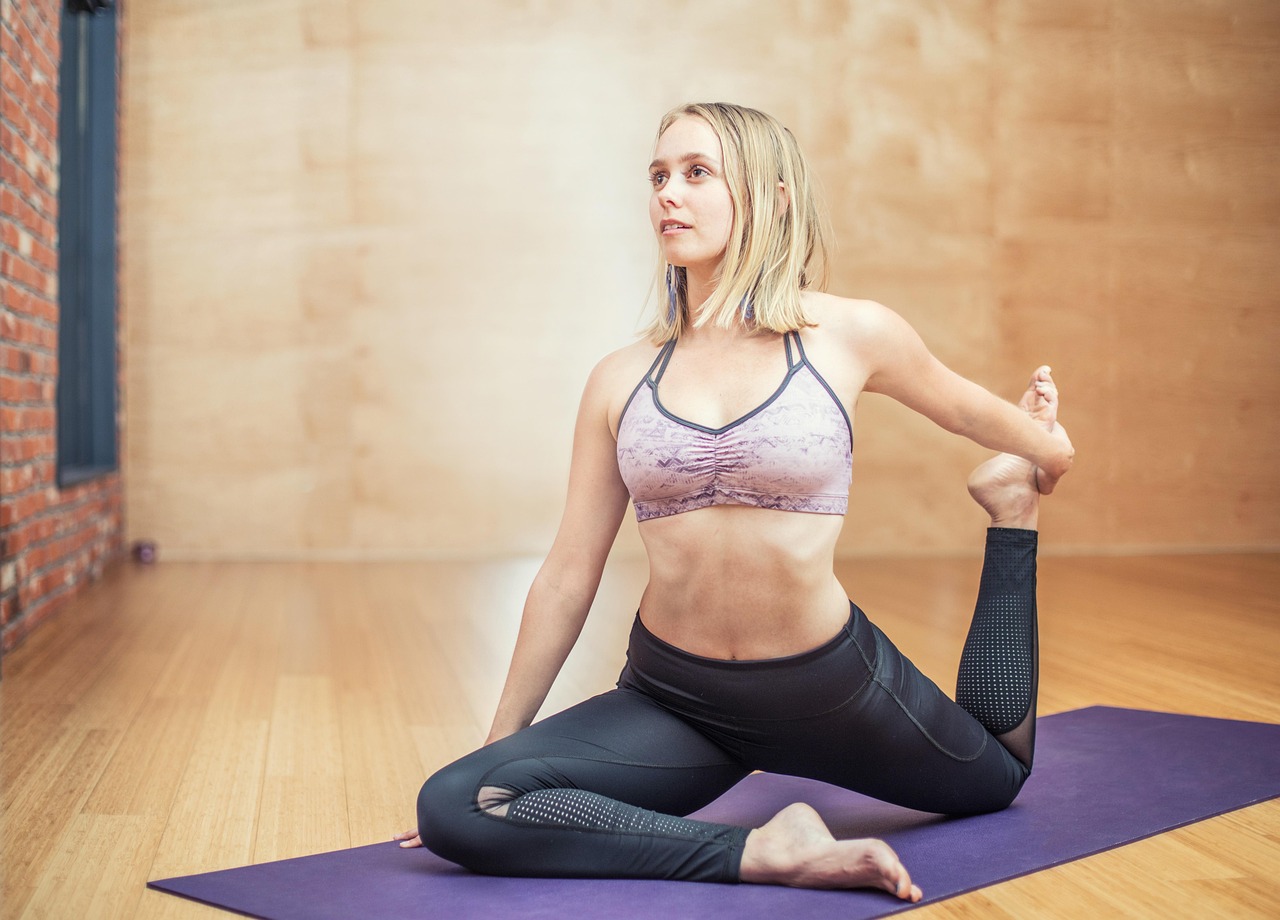

Top 10 Fitness Routines to Alleviate Daily Stress
Fitness plays a significant role in managing stress and improving mental health. Incorporating exercise into your daily routine can help release endorphins, which naturally alleviate stress. Some fitness routines specifically cater to stress reduction, combining physical activity with mindful engagement. Options include yoga, which enhances flexibility and calmness, making it easier to manage daily pressures. Another effective routine is walking, which can be done anywhere and doesn’t require special equipment. Swimming is another fantastic choice; it promotes relaxation and offers a full-body workout, refreshing the mind. Additionally, team sports foster social connections that are beneficial for emotional well-being. Workouts on the gym treadmill can also be great for clear thought. Any cardio, such as cycling, raises heart rate and reduces tension. Practicing mindfulness during any workout, such as focusing on your breathing, amplifies the stress-reducing effects. No matter the choice, consistency is vital. Incorporating these various fitness activities into your schedule means you’ll be better equipped to handle stress when it arises. Engage fully in any form of exercise that suits you best to achieve optimal mental health and overall wellness.
1. Yoga: The Ancient Practice for Modern Stress Relief
Yoga has been celebrated for centuries as a powerful tool for stress relief and mindfulness. By combining postures, breathing techniques, and meditation, yoga cultivates a sense of inner peace amid chaos. Participants often find that the practice not only strengthens the body but also calms the mind, providing a much-needed escape from daily stressors. Various styles of yoga cater to different preferences and fitness levels. For example, Hatha Yoga focuses on gentle poses and basic breathing exercises, making it suitable for beginners. Vinyasa, on the other hand, involves a faster flow and is ideal for those seeking a more vigorous workout. Many find that even a short session can drastically alter their mood, allowing them to face challenges with a clearer mindset. Furthermore, numerous online platforms offer accessible yoga classes. Engaging with a virtual community can help foster accountability and ensure regular practice. Remember that the key to benefiting from yoga is consistency; therefore, aim to practice several times a week. By starting a yoga routine, you may discover a profound change in how you handle stress, leading to better mental health outcomes.
2. Walking: The Simple Approach to Mental Clarity
Walking is one of the easiest and most accessible forms of exercise. It requires no special equipment, allowing individuals to step outside and enjoy the fresh air with minimal preparation. This straightforward routine plays a significant role in reducing stress and improving mood. A simple stroll, whether in a park or around your neighborhood, can invigorate your mind and body. Research shows that walking, especially in nature, reduces stress hormones such as cortisol and increases feelings of happiness. You can make this practice more effective by incorporating mindful elements, such as focusing on your breathing or appreciating your surroundings. If you have a busy schedule, even short walks during the day can make a difference. Try taking a 10-minute break for a quick walking session during lunchtime. Alternatively, explore local trails or paths during weekends to infuse a sense of adventure into your routine. Sticking to this easy exercise can not only help clear your mind but also improve cardiovascular health. If possible, invite a friend to join you; navigating the outdoors with someone else can enhance social bonds and make the experience more enjoyable.
3. Swimming: A Refreshing Full-Body Workout
Swimming is often regarded as a wonderful exercise option that combines fitness with relaxation. The soothing properties of water create a calming environment, making it an excellent choice for stress relief. As a low-impact activity, swimming is suitable for individuals of all fitness levels, promoting flexibility and endurance without putting undue strain on the body. Many find the rhythmic motion of swimming to be meditative, allowing thoughts to flow freely and creating a therapeutic mental escape. Engaging in laps or water aerobics not only works your muscles but also provides tremendous cardiovascular benefits. Furthermore, although it can be viewed as a solitary activity, swimming can incorporate social elements when done in groups or with friends. Consider joining a local swim team or participating in community pool events to foster connections and experiences. Regularly heading to the pool helps establish a routine that combats stress and enhances emotional wellness. Whether you practice freestyle, breaststroke, or simply enjoy floating, swimming is a refreshing and relaxing way to maintain both mental and physical health.
4. Team Sports: Building Strength Through Community
Team sports offer a unique mixture of physical activity and social interaction that is highly beneficial for mental health. Engaging with others in a team setting fosters camaraderie, reduces feelings of isolation, and releases endorphins through competitive play. Participating in sports such as soccer, basketball, or volleyball encourages teamwork, which can help boost self-esteem and develop friendships. For many, the laughter and encouragement shared during team practices and games serve as a form of stress relief that is often overlooked. Additionally, the commitment required for participation can drive motivation and foster accountability to stay active. Joining a local league can expose you to new techniques and skills, further enhancing the fitness experience. If traditional team sports do not appeal to you, consider alternative options like ultimate frisbee or even a join walking group. Indoor options, such as joining a martial arts class, can also offer an engaging way to connect with others while building strength and resilience. Whatever sport you choose, making a commitment to practice and play regularly can significantly alleviate stress and improve mental wellness.
5. Treadmill Workouts: A Versatile Indoor Option
Treadmill workouts provide a convenient way to incorporate cardiovascular exercises into your routine, especially when faced with inclement weather. Whether you prefer walking, jogging, or running, the treadmill allows you the flexibility to choose your intensity level. Engaging in regular aerobic exercise on the treadmill can release endorphins, promoting feelings of happiness and reducing stress. By adjusting speed and incline, you can customize your workouts to fit your personal goals and fitness level. Furthermore, you can blend different routines; incorporate intervals for a heart-pumping challenge or engage in steady-paced sessions for a more relaxed experience. Many treadmills also have built-in workout programs to keep exercises interesting. If you find music motivates you, creating a playlist can enhance your sessions and help you concentrate. Maintaining a routine that includes treadmill workouts can also help improve cardiovascular health and boost energy levels. Make a point to track your progress using fitness apps, as recording your achievements can encourage you to push further. By committing to regular treadmill exercise, you will develop not only physical strength but also mental clarity.
6. Cycling: A Dynamic Way to Energize Your Mind
Cycling is another excellent workout routine that offers both mental and physical health benefits. Whether utilizing stationary bikes or exploring outdoor trails, cycling combines cardiovascular exercise with the enjoyment of exploration. This low-impact activity is particularly suitable for all fitness levels, allowing you to control the intensity and duration of your rides. Engaging in cycling helps to release endorphins, leading to better mood regulation while reducing stress. The rhythm of pedaling can also serve as a meditation exercise, helping clear your mind as you ride. Joining a local cycling group or club can further transform this activity into a social experience, fostering connections with like-minded individuals. Community events or charity rides can also provide goals to work towards, enhancing motivation. On the days when you feel overwhelmed, taking your bike out for a ride can truly help reset your mind and body. Additionally, the outdoor scenery experienced while cycling creates a relaxing atmosphere that enhances the overall enjoyment of the workout. By making cycling a regular part of your fitness routine, you will discover ongoing benefits for managing stress and improving mental health.
7. Dance Workouts: Movement for Joy and Freedom
Dance workouts present an exhilarating and creative approach to fitness, offering numerous benefits for stress relief. Engaging in dance combines physical activity with expressive movement and music, creating an effective outlet for emotions and tension. Whether you choose structured classes like Zumba or follow online tutorials for hip-hop dance, the options are endless. Dance not only helps improve flexibility and coordination but enhances cardiovascular fitness while being incredibly enjoyable. Participants often find that shaking off the day’s stress through dance serves as a joyful escape. Each workout can be tailored to your taste, elevating overall satisfaction. The social aspect of group dance classes fosters connections with others, promoting camaraderie and motivation. Whether you dance alone or together with friends, the fun shared experience strengthens bonds and alleviates stress. Making dance a regular part of your routine can also boost confidence as you learn new steps and progress. Importantly, dancing encourages self-expression, allowing you to connect deeply with your body and emotions. By dedicating time to dance, you can reframe your mental state, fostering joy and uplifting your spirit while relieving daily stress.