
The Impact of Excessive Phone Use on Your Workout Performance
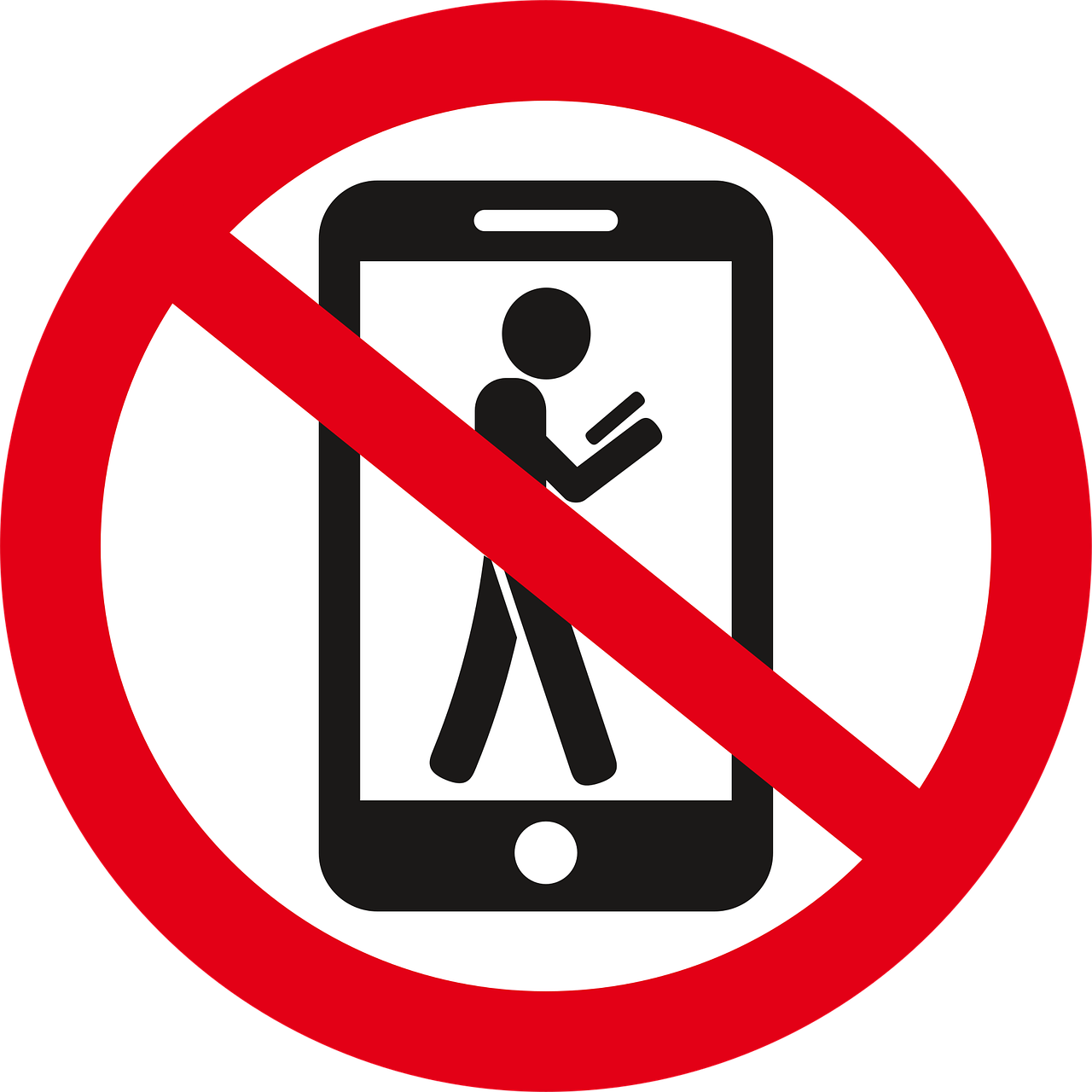
In today’s technological world, many gym-goers are tethered to their cell phones even during workouts. From taking selfies and posting on social media to texting friends, excessive phone usage can detract from workout effectiveness. The blinking notifications can disrupt focus, leading to reduced workout intensity. Utilizing phones to listen to music is acceptable, yet administrators encourage users to limit distractions. Not only does phone overuse impact personal performance, but it also affects other gym members. When checking messages takes precedence over rest between sets or the next exercise, it slows down overall gym flow. While some may argue that phones are necessary for workout tracking, allowing them to become a primary focus can lead to subpar performance. It is essential to establish boundaries with phone use in the gym environment. Gym etiquette explicitly suggests monitoring phone habits to ensure focus remains on achieving fitness goals. Balancing phone usage with workout priorities is crucial for an optimal gym experience. This will increase not only personal progress but also create a more enjoyable environment for everyone at the gym.
Continuing with the gym etiquette, it is vital to establish a significant relationship between your performance and phone distractions. Excessive phone use during workouts can prevent individuals from maximizing their exercise time. Finding a balance between staying connected and maintaining focus is critical to effective training. Proper gym etiquette encourages a respectful environment, one where everyone can focus on personal fitness without interruptions from others. Constantly checking notifications can throw off timing and rhythm, which are crucial for maintaining intensity. Additionally, looking at a phone while transitioning exercises may lead to improper form or even injury. Many fitness instructors recommend setting designated times for phone usage, such as during cooldown or breaks. This keeps users accountable and engaged with their workout. Furthermore, engaging with the gym community is essential, rather than isolating oneself behind a screen. Consider leaving the phone in your bag to further concentrate on workouts. When committed to improvement, phones can become distractions rather than tools. Striving for a phone-free workout can significantly boost performance and ensure gym-goers gain the most from their time and efforts.
Social Distractions and Their Consequences
Using phones excessively in the gym can lead to various social distractions. Many individuals might find themselves engrossed in conversations through social media or text messaging while on the exercise floor. These distractions not only individualize the gym experience but can also contribute to an unwelcoming environment. When gym members are focused on their phones rather than engaging with their surroundings, it can create feelings of isolation. Others may find it hard to connect while navigating around someone fixated on their screen. Personal interactions and building connections within the gym community significantly enhance motivation levels and foster a spirit of camaraderie. Social engagement often inspires individuals to push themselves harder and seek accountability. However, excessive time spent on the phone negatively impacts these interactions. It prevents individuals from meeting new friends or gaining valuable advice from more experienced gym-goers. As such, limiting phone usage during workouts is essential in cultivating a vibrant and supportive gym culture. Recognizing the importance of social connections while working out promotes a healthier gym atmosphere. Therefore, it’s vital to evaluate phone habits in favor of building these relationships.
Furthermore, one of the more subtle consequences of excessive phone usage in the gym is the impact on mental clarity and focus. Frequent interruptions can lead to cognitive overload, where the brain struggles to process information. This state can diminish a person’s overall workout experience. When attempting to achieve personal fitness goals, the mental aspect plays a significant role. To perform at your best, developing a focused mindset free of distractions is crucial. Practicing mindfulness while exercising could significantly enhance physical performance. Simple strategies, like turning on ‘Do Not Disturb’ or focusing solely on completing each rep, can significantly improve workout quality. Also, consider exploring fitness apps that promote focus during workouts without the urge to scroll through social media updates. Users can set goals with these applications while maintaining accountability. Engaging in exercises with minimal phone distractions results in more meaningful sessions and ultimately better results. Building mental discipline is essential, as it translates directly to improved physical performance. Evaluating your gym phone etiquette can help pursue personal goals effectively, supporting overall well-being and fitness.
Tracking Progress Without Distractions
Utilizing phones for tracking progress can be beneficial, but mitigating distractions is essential. Many fitness enthusiasts today use apps to monitor workouts, track nutrition, and manage goals. To maximize effectiveness, individuals should limit phone interaction to specific instances instead of allowing continuous, distracting notifications. One approach to achieving this balance is scheduling times throughout a workout to review progress or to make necessary adjustments. This way, users can remain dedicated to their routines while ensuring an efficient use of technology. Strategies include setting distinct timeframes for checking workout logs and notifications before or after workouts. By limiting disruptive phone time, gym-goers can better remain present, allowing them to focus entirely on the exercises at hand. Additionally, recording workouts without distractions fosters a strong connection to fitness progress. Engaging fully in workouts creates a more profound sense of accomplishment. This can inspire members to stay consistent over time, further advancing their fitness journeys. Embracing technology responsibly, with set timeframes in mind, creates a healthy balance between connectivity and performance enhancement within gym practices.
In addition to exercise tracking, maintaining a conducive gym atmosphere is vital. It encourages all members to thrive. Excessive cell phone use can create conflict, particularly if it leads to loitering or ineffective use of shared equipment. Unattended cell phone distractions can result in longer wait times for others, as individuals using their phone may neglect others in line. Adhering to proper gym etiquette encourages everyone to maximize workout efficiency without undue delays. Incorporating dedicated areas for phone use, such as lounges or more specific sections, helps create an environment that is both inclusive and respectful. When community members communicate and work together on gym etiquette, it promotes everyone’s well-being. Ultimately, addressing smartphone distractions will lay the foundation for a better gym experience for all members. Developing considerate habits also instills a sense of accountability towards fellow gym-goers. Elevating shared experiences encourages a more profound understanding of gym routine dedication. Allowing oneself to pause on phone excess will generate benefits for entire communities, fostering support, motivation, and goal achievement.
Conclusion: Finding a Balance
In conclusion, establishing a healthy balance between workout intensity and responsible phone usage is essential. Learning when to disconnect from technology allows for more effective workouts and engagement with fellow members. Creating a respectful atmosphere in the gym community not only enhances the personal experience but also strengthens relationships among members. To fully benefit from gym sessions, users must commit to prioritizing their exercises and personal goals over distractions. Practicing self-discipline during workouts will encourage a shared culture of success and motivation. Ultimately, becoming mindful of phone habits while working out can transform routine practices, leading to better accountability. Based on the understanding developed around phone distractions, individuals have the potential to create a more dynamic gym experience. This awareness, coupled with conscious efforts to limit device attention, will significantly impact results and foster long-lasting improvement. Hence, evaluating phone usage can pave the path toward achieving fitness aspirations. Encouraging others to adopt similar habits will result in enhanced gym resilience, ensuring everyone feels respected, motivated, and willing to reach for greatness.
Moreover, as fitness enthusiasts become more aware of their phone usage, the collective effort encourages a more mindful interaction with technology. Consequently, many institutions may explore designated workshops focusing on improving gym etiquette surrounding phone habits. This can lead to a positive shift in community dynamics. Promoting workshops would allow open discussions regarding technology’s role during workouts, ideally helping members from all backgrounds align with effective practices. Therefore, this initiative could enhance overall workout quality and motivate a change in existing gym cultures. To implement this shift effectively, collaboration between gym management and members is critical. Initiatives like these have the potential to create awareness of phone influences on performance while promoting engagement. Therefore, engaging with community members collectively allows everyone to share their wellness journeys, inspiring each other to pursue growth. It also builds a collective responsibility towards creating a better gym atmosphere. As individuals find common ground on expectations around phone usage, gym-goers can support each other. Striking this balance will ultimately lead to healthier habits both in fitness regimes and technology interactions.