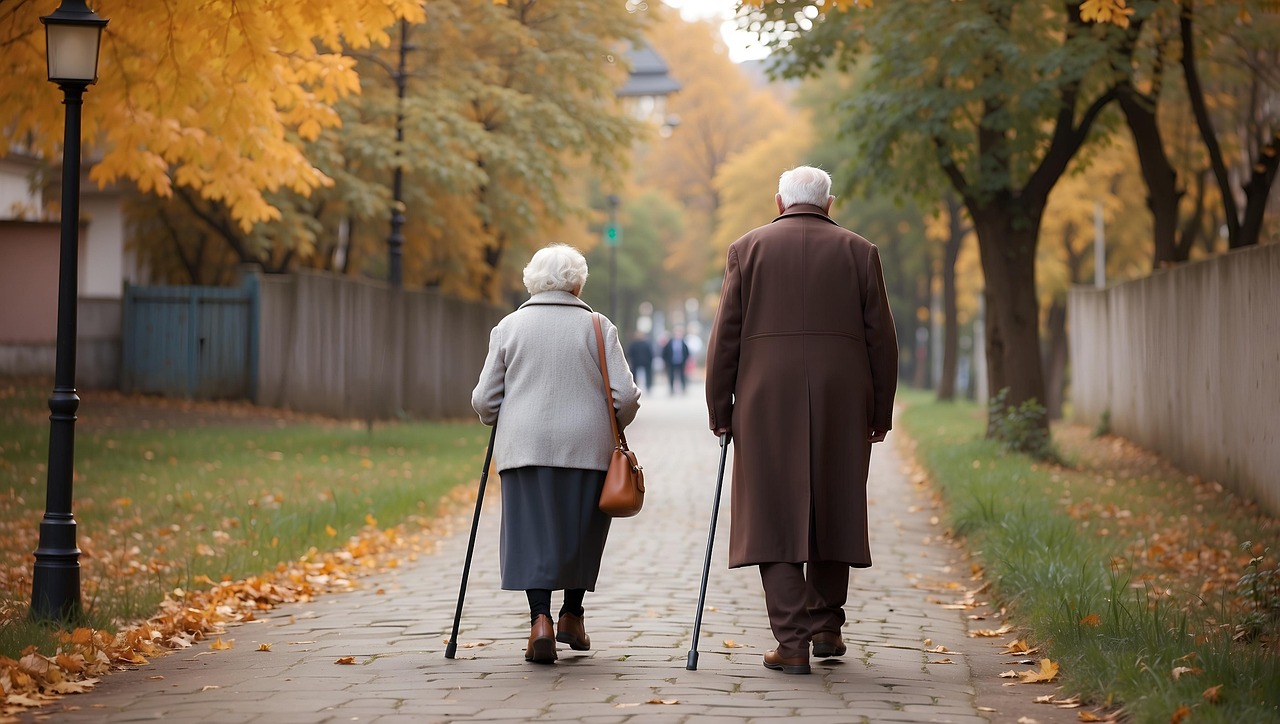

How Walking Improves Mental Health in Older Adults
Walking is a simple yet effective way for older adults to maintain both physical health and mental well-being. Engaging in consistent walking routines offers numerous benefits, including boosting endorphins, which are natural mood lifters. This physical activity helps reduce feelings of anxiety and depression, making it easier for seniors to cope with life’s challenges. Furthermore, connecting with nature while walking can enhance emotional health significantly. As older adults step outside into fresh air and sunlight, they may experience an uplift in mood. Regular walking can also lead to improved sleep patterns, essential for better cognitive function and emotional regulation. Moreover, walking promotes social engagement when done in groups, fostering friendships and connections that contribute to overall happiness. Thus, walking is not merely exercise for seniors; it is a comprehensive approach to enhancing their mental health. By dedicating time to this activity, older adults can enjoy a higher quality of life, experience joy, and perhaps even stave off cognitive decline. Incorporating walking into daily routines is not only beneficial, but it’s also an enjoyable pursuit for many seniors seeking mental clarity.
In addition to improving mood, regular walking can have a profoundly positive impact on cognitive health for older adults. Scientific research suggests that engaging in physical activity, such as walking, encourages neurogenesis, the brain’s ability to create new neurons. Walking increases blood circulation to the brain, which helps to enhance overall brain function and may slow cognitive decline associated with aging. Moreover, walking can improve coordination, balance, and muscle strength, thereby preventing falls and injuries that might otherwise lead to mental distress. Furthermore, this activity releases stress hormones that can facilitate relaxation, offering seniors a break from their daily worries. Enhanced brain health due to consistent walking can directly correlate with improved memory and cognitive support. Older adults, in turn, may feel empowered and confident as they navigate their surroundings and engage more actively in their communities. Additionally, the rhythmic nature of walking can be meditative, bringing a sense of peace and mental clarity during and after the activity. Establishing a regular walking routine can thus serve as an excellent protective measure for cognitive health, allowing seniors to maintain independence and lead fulfilling lives.
The Social Benefits of Walking
One of the overlooked aspects of walking for older adults is its potential to promote social interaction. Walking in groups can provide an opportunity for seniors to connect with others, share experiences, and form meaningful relationships. This social engagement is crucial as it helps foster feelings of belonging and reduces isolation, which can have detrimental effects on mental health. Many communities offer walking clubs specifically for seniors, creating a welcoming environment where individuals can meet and make friends while staying active. Regular social interaction through walking can lead to increased happiness and satisfaction in life, enhancing overall mental well-being. Furthermore, engaging in conversations during walks can distract from negative thoughts or stressors. Seniors can share stories, laughter, and support each other emotionally during these moments. The shared commitment to a walking routine can enhance motivation and accountability, making the activity more enjoyable. Older adults may find that the connections they cultivate through walking result in a strong support network, improving their resilience against mental health challenges. Incorporating a social component into walking routines elevates the experience, allowing older adults to thrive socially while reaping the benefits of physical activity.
Emphasizing the role of routine, consistent walking provides older adults with structure in their daily lives. Establishing a walking schedule can create a sense of purpose and accomplishment, which is essential for mental health. When seniors set and meet achievable walking goals, they can boost their self-esteem and foster positive emotions. This regularity can serve as an anchor amidst life changes that may come with aging. Moreover, the familiarity of a walking route can create a comforting environment where seniors feel at ease. It can also inspire mindfulness as they engage with their surroundings and appreciate the simple beauty of nature. Walking routines can vary in pace and distance to suit individual capabilities and preferences, making it accessible to a wide range of seniors. Furthermore, adapting walking paths to include scenic views or local parks can provide additional mental stimulation and enjoyment. Through consistent walking, seniors not only benefit physically but also cultivate inner peace and resilience against stress. This blend of structure, physical activity, and mindfulness can create a harmonious balance in their lives, allowing them to feel mentally invigorated.
Walking as a Form of Meditation
For many older adults, walking can transcend physical exercise and become a form of meditation. The rhythmic movement and repetitive nature of walking can facilitate a meditative state that calms the mind. By focusing on their breathing and the sensations of walking, seniors can experience significant stress relief and mental clarity. This practice encourages mindfulness, allowing individuals to immerse themselves in each step taken and appreciate their surroundings. Immersive walking, free from distractions, can create a profound sense of inner peace that is beneficial for mental health. Moreover, incorporating mindful walking breaks into daily routines can provide senior adults with moments of respite, especially during stressful times. Connecting with nature during these walks has additional therapeutic effects, promoting feelings of tranquility and contentment. The connection to nature, paired with a focused approach to movement, enhances cognitive function and emotional wellness. Establishing a regular mindfully-focused walking practice can help seniors cultivate resilience against anxiety and depression. Thus, embracing walking as a meditative practice can be transformative, allowing them to maintain mental stability and navigate day-to-day challenges with grace.
Finally, incorporating walking into social programs targeting older adults can yield even greater mental health outcomes. Many organizations emphasize walking as a healthy lifestyle choice, creating workshops, events, and community challenges that encourage group walking. These initiatives can help instill a sense of purpose as individuals work toward common goals. Setting group targets, such as distance goals or fitness challenges, motivates seniors to engage actively with their communities. Moreover, community support fosters accountability and encourages seniors to stick with their walking routines. By enhancing their social networks through these walking programs, older adults can benefit from the emotional support and camaraderie shared among peers. The combination of social interaction and physical activity greatly reduces feelings of loneliness while promoting mental well-being. Furthermore, local health programs can provide free resources and training tailored specifically for seniors, allowing them to explore safe walking options in their neighborhoods. Overall, creating an environment that encourages walking can lead to more engaged and energized seniors, ultimately improving their quality of life and mental health outcomes.
Conclusion
In conclusion, the simple act of walking can profoundly enhance mental health in older adults. By promoting physical fitness, fostering social connections, and offering opportunities for mindfulness, walking serves as a multifaceted tool for improving overall well-being. Incorporating walking into daily routines empowers seniors to take charge of their health and happiness. As they benefit from endorphin release, cognitive boosts, and social interaction, the positive mental effects become increasingly evident. Understanding the importance of walking within the context of senior fitness can inspire healthcare providers and caregivers to promote this activity actively. Local programs can offer walking groups, accessible walking paths, and resources to encourage seniors to participate. By emphasizing the mental health benefits linked to walking, we can create supportive environments that foster healthy aging. As older adults step outside, they not only enhance their physical health but also enrich their mental resilience. Walking offers numerous advantages, making it a vital part of maintaining quality of life in these golden years. Prioritizing walking in senior fitness initiatives will ultimately strengthen both body and mind, leading to a more balanced and fulfilling life.
In conclusion, the simple act of walking can profoundly enhance mental health in older adults. By promoting physical fitness, fostering social connections, and offering opportunities for mindfulness, walking serves as a multifaceted tool for improving overall well-being. Incorporating walking into daily routines empowers seniors to take charge of their health and happiness. As they benefit from endorphin release, cognitive boosts, and social interaction, the positive mental effects become increasingly evident. Understanding the importance of walking within the context of senior fitness can inspire healthcare providers and caregivers to promote this activity actively. Local programs can offer walking groups, accessible walking paths, and resources to encourage seniors to participate. By emphasizing the mental health benefits linked to walking, we can create supportive environments that foster healthy aging. As older adults step outside, they not only enhance their physical health but also enrich their mental resilience. Walking offers numerous advantages, making it a vital part of maintaining quality of life in these golden years. Prioritizing walking in senior fitness initiatives will ultimately strengthen both body and mind, leading to a more balanced and fulfilling life.