
Best Post-Workout Foods for Vegetarians
After finishing a workout, it is crucial for vegetarians to focus on their nutrition. This means consuming foods that replenish lost nutrients and aid in recovery. Key components of post-workout nutrition include proteins, carbohydrates, and healthy fats. These foods should help rebuild muscle, restore glycogen levels, and support overall recovery. Some excellent options for post-workout meals include quinoa and black bean bowls, as they provide a complete protein source with amino acids. Additionally, smoothies made with spinach, banana, and almond milk can be incredibly effective for replenishing energy. Incorporating protein shakes with plant-based ingredients can be beneficial as well. Moreover, do not forget the importance of hydration; water and electrolyte drinks are essential just like solid foods. Keeping a balance of macronutrients will not only enhance recovery but also help improve future performance. Many vegetarians struggle to plan meals effectively, so organizing a post-workout routine can be a game-changer. Experiment with various food combinations to see what works best for you and always listen to your body’s requirements. A well-structured nutritional strategy goes a long way in supporting fitness goals for those on a vegetarian diet.
Legumes are particularly beneficial as they serve as a great post-workout option for vegetarians. Foods like lentils and chickpeas are nutrient-dense, packed with protein, fiber, and essential vitamins. They can be quickly prepared in various forms, such as soups, salads, or dips. Furthermore, these legumes help in muscle recovery by providing the necessary amino acids. Another excellent addition to a post-workout meal is tofu, which is not only rich in protein but also versatile. You can grill, stir-fry, or blend it into smoothies, depending on your preference. Coupled with whole grains such as brown rice or barley, the combination enhances muscle recovery and replenishes glycogen stores. Additionally, don’t overlook the benefits of nut butter; pairing nut butter with fruits offers a tasty way to support recovery. Nut butters provide healthy fats and protein, ideal for repairing muscle tissue. For those looking for an energetic smoothie, consider blending banana, kale, and almond butter. Feel free to experiment with your own recipes, focusing on foods that you enjoy while meeting your nutritional needs. With careful planning, it’s absolutely possible to follow a balanced vegetarian diet that supports your workout goals.
The Role of Healthy Fats
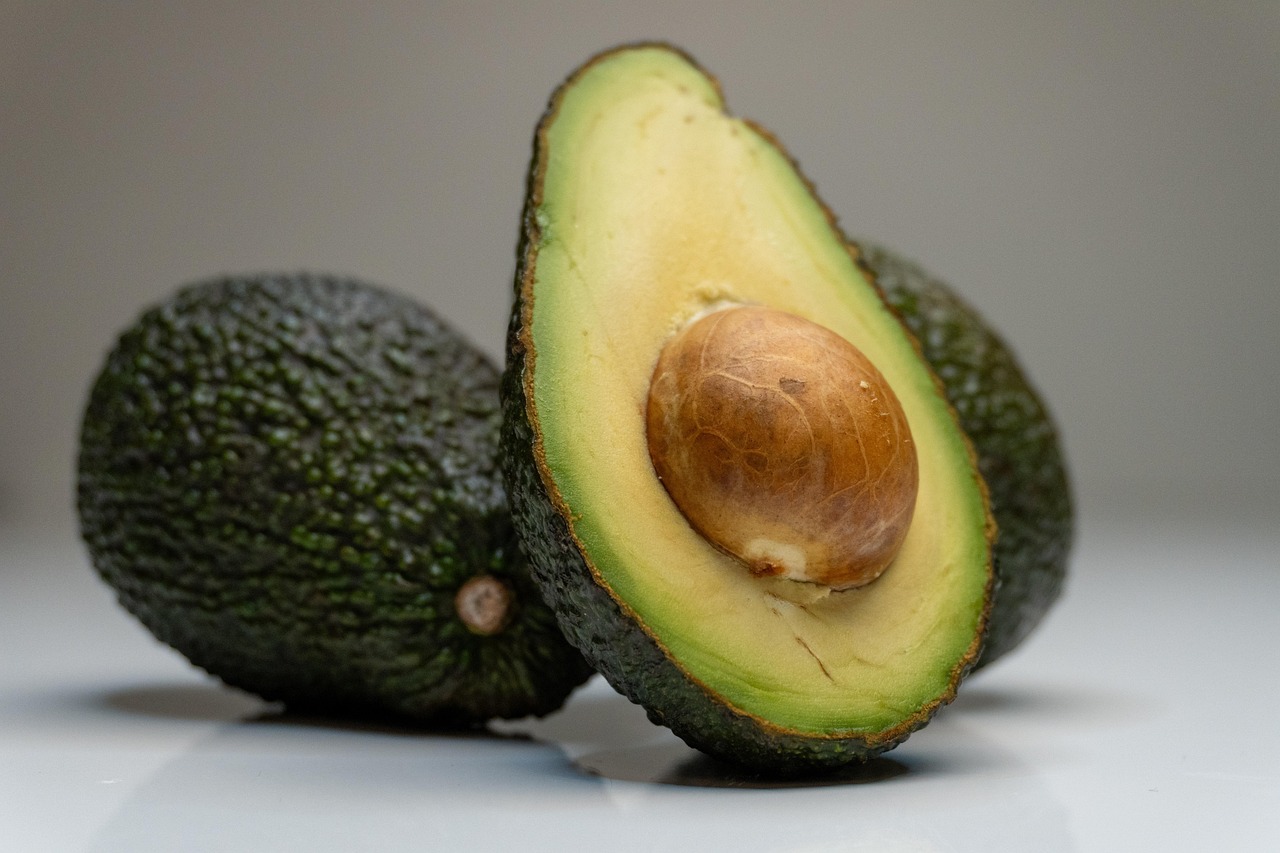
Healthy fats play a significant role in enhancing post-workout recovery, particularly for vegetarians. Foods like avocados are excellent sources of monounsaturated fats, contributing to overall heart health and inflammation reduction. Including avocados in salads or as spreads can provide needed calories and nutritional density. Additionally, nuts and seeds such as chia seeds, flaxseeds, and walnuts can benefit muscle recovery. Their omega-3 fatty acids are known to fight inflammation and reduce muscle soreness. These can be easily integrated into smoothies, oatmeal, or yogurt. If you enjoy crunchy snacks, consider making granola that incorporates these components for excellent pre- and post-workout energy. Remember, the key is to maintain a balance of fats, proteins, and carbohydrates for optimal recovery. Tools like nutrient databases can help in tracking the nutritional value of consumed food. It is essential for vegetarians to ensure adequate intakes of these essential nutrients. When creating your post-workout meals, keep in mind the caloric intake relative to your fitness regime. Overall, by prioritizing healthy fats, vegetarians can complement their fitness journey effectively and promote their body’s recovery processes.
Fruits are another vital component that shouldn’t be overlooked in post-workout nutrition for vegetarians. They provide essential vitamins, minerals, and antioxidants, all aiding recovery. Bananas, for example, offer carbohydrates that quickly replenish energy levels. They’re also a fantastic source of potassium, which helps prevent cramping after strenuous workouts. Other rich fruits like berries provide anti-inflammatory benefits and can be added to various meals. You might enjoy having a berry smoothie or simply tossing them into your oatmeal. Additionally, consider low-fat yogurt as a protein source, especially when combined with fruits. It not only enhances taste but also aids digestion due to probiotics. For those who love tropical flavors, mangoes and pineapples offer unique tastes while providing essential nutrients. As you plan your meals, aim for variety to keep things interesting and appealing. Don’t hesitate to experiment with different fruits or combinations to find what best suits your palate and energy needs. Remember, the overall goal is to boost recovery while enjoying the process. A creative menu can help maintain motivation in your post-workout nutrition routine.
Incorporating Grains
Whole grains are another essential category to include in your post-workout diet. Foods like brown rice, oats, and quinoa not only provide substantial carbohydrate content but also essential fiber, which can aid digestion. Brown rice is perfect as a base for many bowls, allowing for diverse additional toppings. Quinoa stands out with its complete protein profile, making it ideal for replenishing muscle post-exercise. You can cook it with different vegetables, nuts, and chickpeas to create a satisfying dish. Oats also serve as a great breakfast option that can be enjoyed in various ways, such as overnight oats or porridge. Adding fruits, nuts, or seeds can further enhance their nutritional value. Additionally, experimenting with gluten-free options is encouraged for those sensitive to gluten. Barley and buckwheat are excellent alternatives that offer unique flavors and textures. Whole grains are vital for restoring glycogen levels and provide long-lasting energy for the body. Maintaining a balanced intake of grains is important for vegetarians to maximize the post-workout recovery process. Choose diverse grains to enjoy nutrition while actively supporting your fitness journey.
Hydration is a fundamental aspect of post-workout recovery. Many forget that replenishing fluids lost during exercise is as important as the food consumed. Vegetarians should consider healthy drinks rich in vitamins and minerals. Coconut water is a superb post-workout beverage loaded with electrolytes. It can help restore balance lost through sweat and keep muscles hydrated. Alternatively, if you prefer smoothies, adding spinach, fruits, and almond milk isn’t just refreshing, it’s beneficial for recovery, providing hydration and essential nutrients. Green teas are also excellent for their antioxidant properties, making them a fitting choice for soothing muscles after intense exercise. During recovery, be sure to listen to your body’s needs regarding hydration levels. Water intake should be consistent, making sure to drink before, during, and after workouts whenever you exercise. Carrying a water bottle during workouts can promote regular drinking. It’s crucial to understand that hydration affects overall performance and recovery rates. Therefore, develop a hydration routine tailored to your activity levels and conditions. Composting a post-workout hydration strategy may capitalize on your recovery and lead to enhanced fitness results.
The Importance of Planning
Effective post-workout nutrition requires thoughtful planning, particularly for vegetarians aiming to maintain their energy and recovery levels. Setting aside time each week to prepare meals can help streamline processes and ensure that you always have healthy options available. Meal preparation allows for experimentation with various recipes, enabling you to find satisfying and nutrient-dense combinations. Creating a roster of your favorite post-workout meals takes the guesswork out of eating after workouts. Don’t hesitate to involve friends or family in the planning process; discovering recipes together can be a fun experience. Grocery shopping with a predefined list makes buying quality ingredients more manageable, reducing impulse purchases. Furthermore, having snacks on hand for immediate consumption can help curb unhealthy cravings. Ensuring you understand dietary needs and preferences can lead to more tailored meal choices. Utilizing kitchen tools like slow cookers or air fryers can save time while providing healthy options. Planning is an investment in both health and time management, translating to more energy for workouts and improved recovery. Overall, this structured approach can significantly enhance the vegetarian post-workout nutrition experience, ensuring you meet your fitness goals efficiently.
In summary, navigating post-workout nutrition as a vegetarian is not only possible but can be delicious and fulfilling. With a focus on incorporating a variety of nutritious foods, you can build a balanced diet that supports your fitness goals. Consider these components: proteins from legumes, grains for carbohydrates, healthy fats, and a wealth of fruits and vegetables. Listening to your body and experimenting with different meal combinations can help you discover optimal recovery strategies. Never underestimate the benefits of hydration, as staying well-hydrated fuels performance. Be proactive with meal planning, organizing your food intake to stay aligned with your exercise routine. Engaging in social cooking or preparing meals in bulk can foster a sense of community around healthy living. Therefore, embrace the journey of healthy eating as a vegetarian and remember to enjoy the process. Additional resources such as nutrition blogs, social media, or workout groups can be invaluable for support and ideas. Leading a vegetarian lifestyle offers diverse flavors and options that enrich your meals and recovery routine. Ultimately, by adhering to these principles, you can effectively achieve your fitness objectives while enjoying a varied and nourishing diet.