
The Science of Social Connection in Dance Fitness Activities
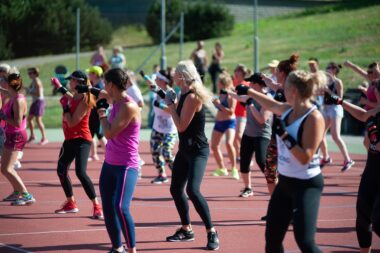
Dance fitness is an engaging form of physical activity that combines the benefits of exercise with the joy of social interaction. This unique combination encourages individuals to express themselves while simultaneously fostering relationships with others. As participants move to the rhythm of lively music, they create a sense of community that is both supportive and welcoming. Through this shared experience, connections deepen, leading to improved emotional well-being. Participation in group dance fitness activities can significantly reduce feelings of loneliness and isolation, improving overall mental health. The social aspect further enhances motivation, as individuals feel encouraged by their peers during workouts. The benefits of engaging in dance fitness extend beyond mere exercise; they promote teamwork, communication, and social skills. Group dynamics often inspire friendly competition, enhancing enjoyment and commitment. Moreover, participants share tips and strategies, contributing to a sense of belonging. This social support is vital, especially for those who may find it difficult to engage in physical activity alone. Ultimately, dance fitness offers a multifaceted approach to health, combining physical fitness with invaluable social connections that contribute to a happier, healthier lifestyle.
Social connections formed in dance fitness activities introduce participants to a supportive community that fosters a positive atmosphere. These interactions are crucial because they allow individuals to share experiences and establish friendships. When people attend these classes, they not only work on fitness but also engage with others facing similar challenges. Empathy plays a significant role in forming bonds among participants, as sharing dance and fitness goals creates a sense of unity. Group classes often lead to the formation of sub-groups, allowing friends to support each other. This camaraderie encourages accountability and consistency, which are essential for achieving personal fitness goals. The shared experience of dance fitness makes it easier for individuals to connect by breaking down social barriers. Having fun together while sweating it out encourages laughter and joy, turning workouts into enjoyable social events. Additionally, instructors often emphasize a sense of belonging, continually encouraging social interactions among participants. The energy generated in such environments can lead to lasting relationships. Studies suggest that forming friendships in fitness settings boosts motivation and commitment. This further strengthens the argument that social connection is a cornerstone of successful fitness and overall well-being.
Benefits of Social Connection
The benefits of establishing social connections in dance fitness activities are extensive, contributing positively to mental, emotional, and physical health. Participants often experience elevated moods due to the energetic nature of dance, which releases endorphins, the body’s natural feel-good chemicals. Social interactions during classes also promote psychological well-being, creating an environment where individuals feel valued and supported. Social connections reduce stress levels as individuals exchange encouragement, strategies, and personal stories. Having friends around reduces anxiety, making it easier to try new dance styles or movements. Furthermore, dance fitness classes often cater to diverse age groups and backgrounds, promoting inclusivity which fosters mutual respect among participants. This diversity enriches social interactions, leading to broader perspectives and deeper understanding. The blend of social engagement with physical activity not only enhances fitness outcomes but also leaves many feel empowered and invigorated. Research indicates that people who dance in groups become more resilient, able to cope with life’s challenges effectively. Connective experiences in dance fitness can also enhance social skills and increase self-confidence. Over time, these transformative connections lead to lasting friendships and a supportive community atmosphere.
Engaging in dance fitness together has the power to bridge generational gaps and foster connections among diverse individuals. The interactivity present in group classes enhances the overall experience, allowing for a shared journey toward achieving fitness goals. When different age groups come together, participants can learn from each other, sharing wisdom and offering fresh perspectives. Younger participants may introduce modern dance styles, while older participants bring stability and experience. This exchange encourages an environment of respect, collaboration, and personal growth. As dance fitness becomes increasingly popular, group classes create spaces where cultural exchanges can happen organically. These connections enable individuals to widen their social circles, increasing overall life satisfaction. The rich variety of backgrounds and experiences present in dance fitness environments creates an engaging learning experience. Additionally, social interaction promotes memory retention as participants become more invested in their workouts. Establishing friendships further motivates individuals to participate regularly, which ultimately leads to better health outcomes. The connections made in these classes go beyond friendships, frequently leading to networking opportunities outside the dance floor, enhancing both personal and professional lives.
Building Lasting Connections
Establishing lasting friendships through dance fitness activities necessitates regular participation and a willingness to engage with others. While individuals may initially join a class for its fitness benefits, the community aspects often become the most valuable. Regular interaction with classmates fosters familiarity, paving the way for deeper relationships. As participants begin to see each other regularly, conversations develop beyond surface topics. Dance fitness activities encourage participants to celebrate milestones, such as improving their skills or achieving fitness goals. These celebrations promote group bonding, ensuring that individuals feel recognized and appreciated for their efforts. Classes often involve partner dances or group choreography that require collaboration, further enhancing social connections. Working in pairs requires communication, trust, and teamwork, essential components for building strong friendships. Additionally, many dance fitness communities leverage social media platforms to maintain connections outside of their respective classes. Group chats and social media pages keep members informed about upcoming events, encouraging outside engagement beyond simply attending classes. Nodes of friendship formed through shared experiences often lead to hobbies or activities extending beyond dance. This seamless transition plays a pivotal role in nurturing lasting connections within communities, creating support systems that drive personal growth.
Dance fitness activities often result in significant personal development alongside social interaction. Building connections in these environments can lead to enhanced self-esteem and confidence, primarily as individuals achieve fitness goals. Participants gain encouragement from their peers, leading to increased commitment and a shared sense of accomplishment. When individuals witness their friends achieving success, it serves as motivation, inspiring them to work harder and push through challenges. In dance fitness, each member’s progress positively influences other participants, fostering a culture of support and positivity. Furthermore, benefits extend beyond the classroom as friendships often lead to social outings and shared experiences outside of dance. These connections create bonds that transcend physical activity, enhancing overall happiness and life satisfaction. Participants tend to remain engaged in their health and fitness journeys, maintaining momentum as they support one another. Social connections forged through dance help individuals navigate life’s challenges, leading to improved resilience. The collaborative nature of dance fitness empowers individuals to be accountable for their goals, motivating them to invest in themselves fully. In conclusion, dance fitness activities provide invaluable opportunities for social connection, subsequently enhancing personal development and well-being.
Conclusion
In conclusion, the science of social connection in dance fitness activities illustrates the profound impact that shared experiences have on physical and mental well-being. The integration of social interaction, dance, and fitness cultivates a unique environment promoting both health and happiness. Participants not only engage in physical exercise but forge bonds with others that lead to increased motivation and emotional support. As friendships develop, individuals become motivated to return to classes, overcoming challenges together. The strong community created within dance fitness classes can significantly enhance adherence to fitness regimes and overall satisfaction with life. Emphasizing the joy of connecting with others while pursuing fitness goals transforms individual experiences into collective accomplishments. Notably, these benefits extend far beyond the dance floor, improving social skills that impact personal and professional lives. Ultimately, dance fitness activities represent the intersection of physical, emotional, and social health. By embracing the social connection aspect of dance fitness, individuals can nurture friendships, improve their health, and live more fulfilled lives. This comprehensive approach underscores the importance of community within fitness practices, reinforcing the notion that we are better together. Dance fitness isn’t just a workout; it’s a pathway to stronger social connections.
Moreover, the unique combination of rhythm, movement, and communal effort provides an engaging platform that brings individuals together in joy. By immersing themselves in this shared adventure, individuals not only improve their dance skills but connect on emotional and social levels that contribute to a richer, more fulfilling life as a whole. The distinct culture fostered through community-driven dance workouts paves the way for mutual growth, learning, and support amongst friends and fellow participants. Classes that prioritize social connections allow individuals to better express themselves through movement and connect with their roots, contributing to enhanced personal identities. In essence, creating a community through dance fitness not only nurtures individuals’ fitness journeys but also deepens their understanding of friendship and support. Each session becomes an opportunity to forge memories, share personal narratives, and celebrate successes together. As friendships blossom in these dynamic spaces, participants cultivate a sense of belonging that further enhances their commitment to fitness. Harnessing the joy of dance enhances personal growth while fostering connection, reminding everyone involved that they are part of something greater and more impactful when engaged together. In the realm of dance fitness, the bonds formed can lead to transformative experiences, both on and off the dance floor.