
Myths About Postpartum Yoga and Its Benefits
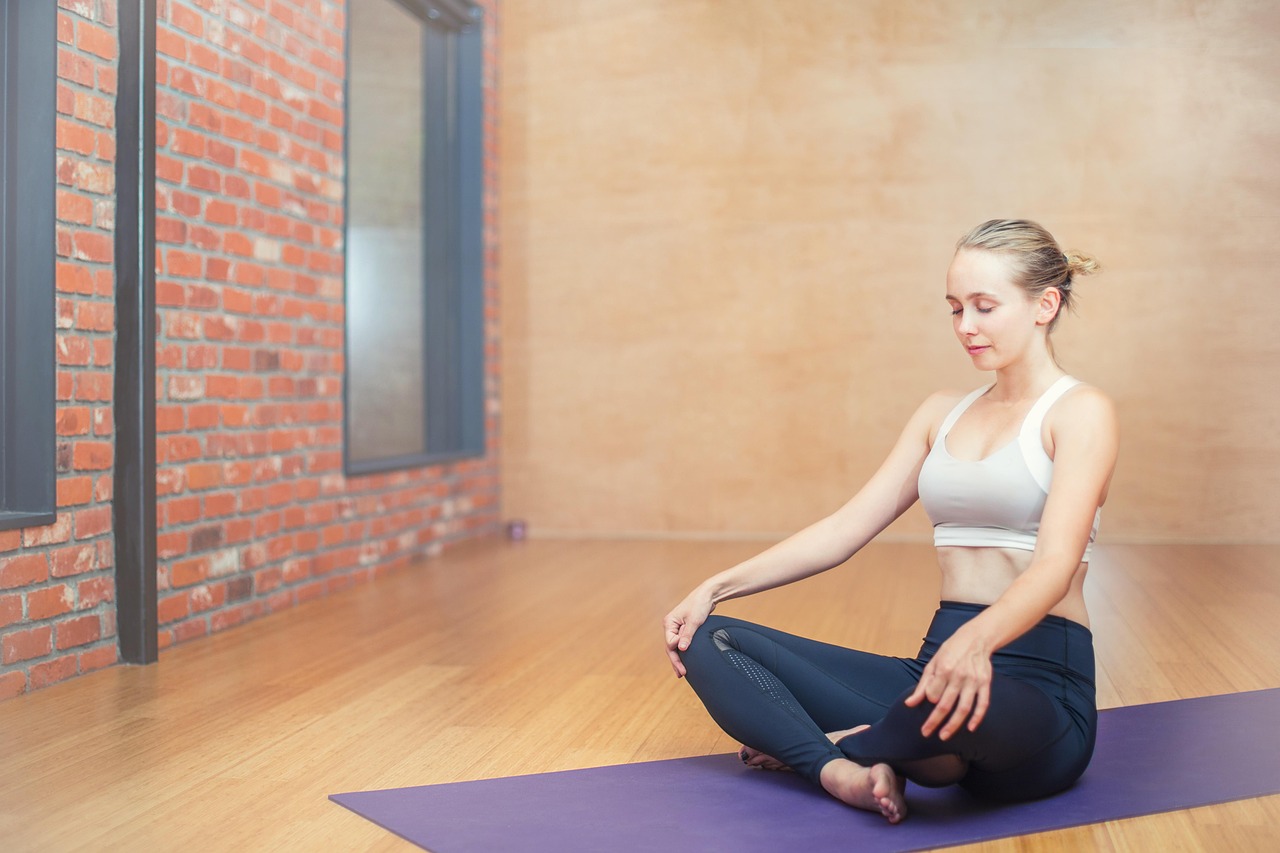
Postpartum yoga is surrounded by several misconceptions that can deter new mothers from participating in this beneficial practice. Many believe that yoga is too strenuous or that it requires perfect balance and strength, which is far from the truth. Postpartum yoga focuses on gentle movements and connecting with one’s breath, making it suitable for various fitness levels. In fact, yoga can help restore core strength, enhance flexibility, and reduce stress after childbirth. It allows mothers to cultivate mindfulness, fostering a deeper connection with their bodies and new babies. Many practitioners recommend that women consult with their healthcare providers before starting any exercise regimen, particularly after a cesarean section. Additionally, it’s vital to choose a style of yoga that aligns with individual recovery needs. It’s essential to recognize that practicing postpartum yoga isn’t merely about physical activity. It also emphasizes mental health and emotional well-being, supporting women during the often overwhelming postpartum period. Women should approach yoga as a personal journey, understanding that it’s okay to modify poses to suit their current abilities and comfort level.
Another common myth about postpartum yoga is that it only benefits those who are already fit. This misconception can discourage women who feel out of shape after giving birth from engaging in an activity that is incredibly nurturing and restorative. In reality, postpartum yoga is designed to cater to individuals at different levels of fitness and recovery stages. It can aid in regaining strength post-pregnancy, regardless of previous fitness levels. Yoga helps mothers listen to and honor their bodies. It encourages gradual progression and self-compassion over intensity. Many classes introduce modifications to help beginners ease into practice safely. Acknowledging that every body is different ensures that women feel empowered to participate in a way that works for them. Furthermore, postpartum yoga promotes camaraderie among mothers. Sharing experiences with others creates a supportive community that uplifts and encourages. The social aspects can significantly contribute to emotional health, especially in combating postpartum depression. Therefore, postpartum yoga is an opportunity to meet others, share stories, and learn together during this transitional phase of motherhood.
Benefits of Postpartum Yoga
A popular myth is that postpartum yoga does not effectively aid in weight loss. While losing the baby weight can be a concern for some women, yoga emphasizes a holistic approach to health. Instead of focusing solely on weight loss, it encourages physical, mental, and emotional balance. Regular practice can improve metabolic function and promote a healthier lifestyle, which can lead to weight loss over time. Additionally, a stress-free atmosphere in yoga can lead to better decision-making regarding nutrition and overall health. The supportive environment encourages women to practice self-care and nurture themselves without judgment. Taking the time to engage in gentle stretching and breathing helps mothers center their thoughts and reduces anxiety, promoting emotional stability. Women might realize that the ultimate goal is not just fitting into pre-pregnancy clothes but feeling empowered in their evolving bodies. Moreover, yoga encourages mothers to focus on their own health, leading to improvements in energy levels that are vital for caring for a newborn. In essence, yoga is about finding wellness rather than just pursuing a number on a scale.
Many also misunderstand the timeline for resuming postpartum yoga practice. A prevalent belief is that women should immediately return to their regular exercise routines after childbirth. What many don’t realize is that each woman’s recovery timeline is unique and influenced by various factors, including birth experience and physical condition. Medical experts often advise waiting a minimum of six weeks postpartum before engaging in exercise, including yoga. However, women may find that they need more time to heal. Listening to one’s body is crucial; it is essential to ease back into movement gradually. Starting with restorative classes helps mothers reconnect with their bodies without overexertion. Women should focus on core and pelvic floor recovery before engaging in more vigorous activities. Skills learned in yoga, such as intuition and self-awareness, are invaluable during this healing phase. Emphasizing patience and compassion allows new mothers to respect their bodies’ signals, ensuring they gradually regain strength. Returning to yoga can be a journey, and each step nurturing a stronger connection with their physical well-being, paving the way to holistic health.
Common Misconceptions
Another widespread belief is that postpartum yoga is exclusive to new mothers with prior yoga experience. This myth can discourage first-timers or women who have never practiced yoga before from participating. However, classes designed for postpartum recovery are accessible to everyone, regardless of prior experience. Instructors typically offer personalized guidance, helping beginners navigate through gentle poses effectively and safely. Studios often include variations and adaptations to accommodate varying fitness levels. Whether someone had an active pregnancy or not, postpartum yoga serves as an excellent introduction to reconnecting with one’s body post-birth. Moreover, these classes often cater to diverse backgrounds, promoting inclusivity and community in the practice. Having a welcoming atmosphere for practicing can help dispel anxiety and trepidation among new mothers. Additionally, it’s an opportunity to bond with their babies, as many classes allow mothers to include their children in practice. This means that mothers do not need to find childcare to engage in self-care, making yoga a practical and joyful part of being a new parent. It allows them to experience benefits alongside their little ones.
A significant myth is that postpartum yoga should be avoided if one experienced complications during childbirth. While it is essential to take individual health circumstances into account, many women can still participate, even with certain limitations. Consulting with healthcare providers is crucial in addressing concerns after complicated births. Many physical therapists recommend postpartum-specific yoga as a tool for recovery regardless of complications. Gentle movements can help alleviate tension, restore strength, and enhance overall well-being. Moreover, yoga encourages an awareness of body alignment and breath, which can aid in healing. Women recovering from conditions such as diastasis recti or pelvic floor dysfunction may find yoga a supportive practice to regain function. However, it’s vital to choose beginner-friendly classes tailored to accommodate such issues. Each practitioner should communicate any health concerns with instructors, who usually can provide modifications to ensure safe practice. Reevaluating misconceptions is essential because they could overlook the real benefits of yoga for mothers experiencing complications. Emphasizing adaptive approaches allows every woman to enjoy yoga and its nurturing effects despite their unique journeys.
Conclusion
In conclusion, understanding the benefits and debunking myths surrounding postpartum yoga are essential steps for new mothers. Recognizing that yoga serves as a gentle bridge to physical, emotional, and mental well-being after childbirth encourages women to participate in this enriching practice. Instead of being deterred by common misconceptions, it is crucial to embrace each woman’s unique recovery journey. New mothers can connect with their bodies, enhance their self-image, and build supportive relationships by engaging in postpartum yoga. Practitioners must be reminded to give themselves grace as they navigate through these complex times. Yoga is about nurturing oneself, allowing mothers to prioritize their well-being while tending to their new roles. With a supportive community, women can rediscover a sense of balance amid the challenges. When mothers focus on these holistic benefits, they often find themselves looking forward to their practice, whether it’s a gentle flow or restorative session. Ultimately, empowering oneself with knowledge around postpartum yoga is instrumental in fostering resilience and strength during early motherhood, paving the way to happier experiences overall.
Each paragraph aims to dispel myths that often cloud the understanding of postpartum yoga, emphasizing its purpose and benefits for women after childbirth. The focus should always remain on personal improvement and well-being, demonstrating that fitness can coexist beautifully with motherhood. Instead of adhering rigidly to societal pressures surrounding body image and physical fitness post-birth, engaging in practices that are self-affirming and restorative is key. Growth and healing take time, as every woman’s journey will be unique. Emphasizing patience and encouragement rather than comparison allows postpartum yoga to be inclusive. Ultimately, this article can motivate new mothers to embrace their unique journeys, encouraging them to try yoga with a fresh perspective. Through education and understanding, the benefits of postpartum yoga become increasingly apparent, allowing more women to experience its positive impact on their lives.