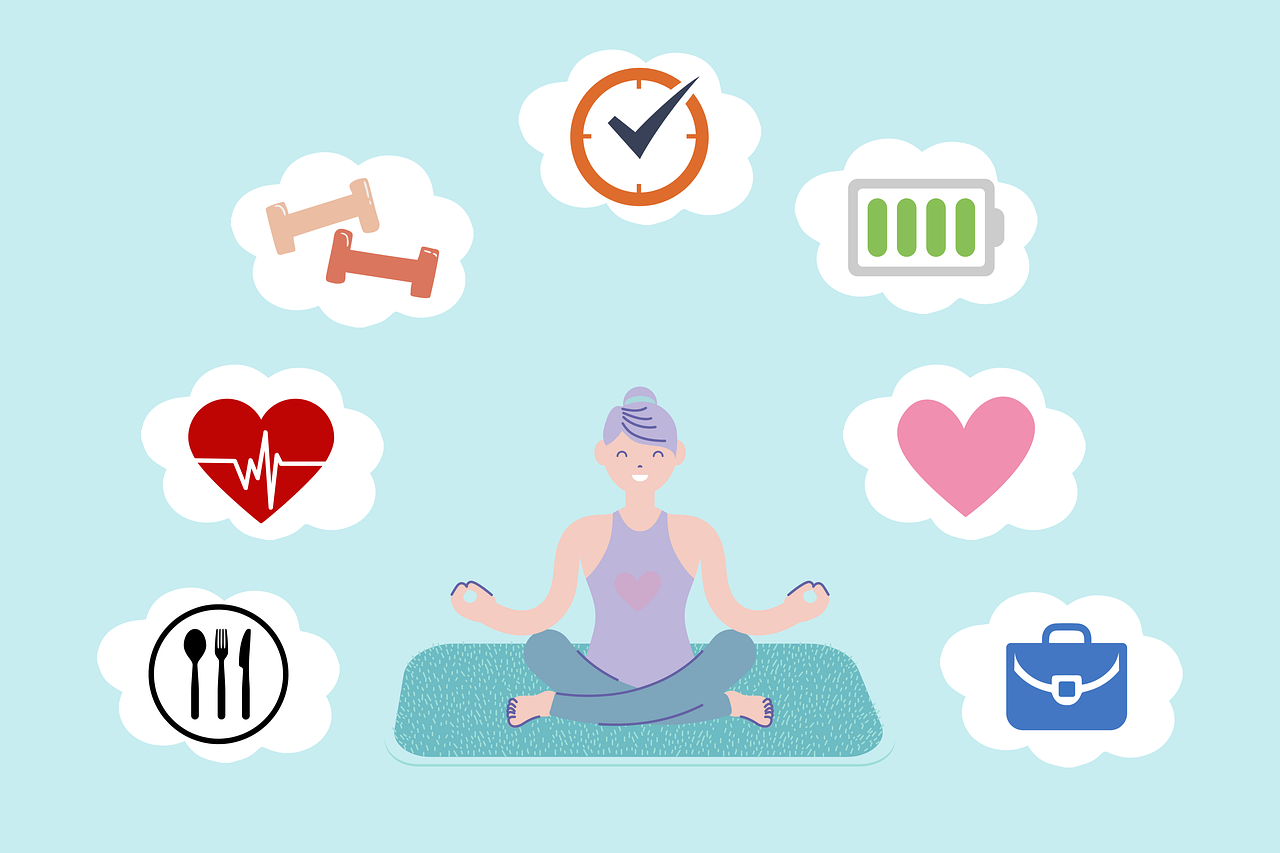

Is It Safe to Exercise While Experiencing a Mental Health Crisis?
Exercising during a mental health crisis can be complex yet beneficial, providing both physical and emotional advantages. The connection between fitness and mental health has been extensively studied, showcasing that exercise can alleviate symptoms of anxiety and depression. However, when in crisis, individuals experience heightened stress and emotions, potentially making it hard to maintain consistent routines. Recognizing this challenge is crucial in making informed decisions about working out. Prioritizing safety is paramount, especially for those who might be experiencing significant distress. Each person’s needs, energy levels, and mental state vary; therefore, consulting a healthcare professional is a wise step. This approach ensures that exercises selected are appropriate for the individual’s condition. Simple activities like walking, yoga, or gentle stretching may offer comfort and relief. Additionally, introducing physical activity into daily life can create a sense of accomplishment, thereby enhancing mood. Before initiating a workout program, consider and listen to your body’s signals and consult a thrifted professional. Always remember, self-care in any form, including movement, can approach positive outcomes, but personalization is key to effective management.
Healthcare providers agree that exercise can be a form of therapy for individuals coping with mental health challenges. Various studies indicate a release of endorphins during workouts, which are neurotransmitters that help improve mood and reduce stress levels. This natural chemical reaction is increasingly recognized in mental health therapies. For patients in crisis, recognizing and managing physical activity becomes a practical and unique approach to treatment. However, while individual participation in fitness is encouraged, it’s essential that this engagement is closely monitored. Not all exercises are suitable for individuals experiencing high levels of distress, so evaluating the type and intensity of the activity is vital. Gradual integration into physical routines can prevent worsening symptoms, making gentle exercises ideal. Additionally, being part of group activities contributes positively to personal interactions and social engagement. Involvement in community classes provides emotional support and camaraderie, which are highly beneficial for mental well-being. It can lead to improved self-esteem and resilience against stressful situations. Remembering these benefits emphasizes the importance of utilizing fitness as a coping mechanism whenever safely possible, ultimately empowering individuals on their journey toward better mental health.
While engaging in exercise is encouraged during recovery, heed care towards overexertion. Intense workouts may precipitate feelings of anxiety or stress rather than alleviating them, particularly for those going through a mental health crisis. Establishing a balanced approach can prevent overwhelming emotions and ensure workouts are safe and beneficial. Creating a manageable exercise routine with appropriate intervals allows individuals to build confidence, both physically and mentally. Incorporating diverse activities such as swimming, cycling, or moderate jogging can help maintain motivation and enhance joy in fitness. These activities can also assist in balancing moods and combating feelings of isolation. Honoring personal limits and acknowledging when to rest or pause is crucial for mental well-being. Recovery is an ongoing journey, requiring patience and understanding of one’s capabilities. Exploration of mindfulness practices integrated into exercise, like tai chi or yoga, promotes relaxation and mental clarity. Paying attention to breathing and body movements can significantly support mental health, especially during challenging times. This holistic approach to fitness emphasizes the interconnection between the mind and body, recognizing that nurturing both elements enhances overall well-being and coping mechanisms during mental health crises.
The role of nutrition can also not be overlooked when considering exercise during a mental health crisis. A balanced diet contributes to weight management, which directly benefits physical performance and mental sharpness. Nutritional deficiencies may aggravate symptoms associated with mental health disorders. Understanding dietary strategies in conjunction with physical activity enhances holistic well-being. Timing workouts around meal consumption optimizes energy levels and promotes better results. Incorporating foods rich in omega-3 fatty acids, vitamins, and minerals can directly influence mental health positively. Speaking with a registered dietitian can help individuals create meal plans that support both physical activity and mental health. Moreover, staying hydrated is crucial. Dehydration can affect mood and energy levels. This simple act of drinking water regularly contributes to optimal performance during workouts. Establishing effective hydration benchmarks can lead to improved focus and endurance. Additionally, being aware of the body’s nutritional needs ultimately plays a vital role in a successful fitness journey. Individuals should prioritize nourishment that sustains both energy and emotional stability. Integrating these principles ensures that exercise serves as a powerful ally in the fight against mental health challenges.
Seek support from friends and family while engaging in fitness activities during a mental health crisis. Emotional and social support can significantly enhance motivation and compliance within workouts. Having encouragement from loved ones creates an uplifting environment promoting systemic healing. By sharing experiences and participating in physical activities together, individuals may feel empowered and less isolated. Establishing workout partners or groups can directly affect personal commitment to fitness goals. Additionally, group workouts provide an interactive and supportive atmosphere. Building social connections within fitness classes fosters a sense of community, boosting morale and reducing anxiety. Specialized classes focusing on mental health awareness are increasingly available, designed to provide additional help for participants. Connecting with like-minded individuals undergoing similar challenges can allow for shared coping strategies. Moreover, recreational activities that incorporate games and teamwork further enhance social engagement while supporting mental health objectives. When participating in group settings, attention to how interactions affect personal perspectives on mental wellness is crucial. Gathering and recognizing shared triumphs create bonds that help build resilience. This support system proves vital when facing challenges, uniting individuals on their journey towards stability and wellness through fitness.
When managing a fitness routine during a mental health crisis, remember the importance of goal setting. Creating realistic, achievable objectives provides direction and enhances focus towards a healthy lifestyle. Setting small, measurable goals can lead to gradual accomplishments leading to heightened confidence. Encourage self-reflection and motivation to foster resilience while navigating through difficulties. This method ultimately reinforces personal commitment to better health. Track progress regularly, which creates a sense of accountability, and helps highlight positive changes. Using fitness journals or apps can be helpful tools to remain organized. Evaluate mental and physical improvements with every achievement, no matter how small. Recognizing personal milestones encourages continued effort and perseverance. Allow flexibility within the goals, understanding that emotional states may fluctuate. Adjusting workout plans as needed is a healthy recognition of self-care. Celebrate improvements and practice positive affirmations that strengthen mental resilience. Consistency in setting goals helps maintain clarity of purpose throughout the journey. Accompanying fitness endeavors with mindfulness practices, such as meditation and journaling, can create balanced approaches to achieve emotional stability. This well-rounded method promotes the interconnection between fitness activities and mental health management, enhancing overall quality of life.
In conclusion, understanding how to safely exercise during a mental health crisis is essential. Each individual’s experience differs; therefore, personalizing fitness plans proves vital. Seeking guidance from professionals, both in physical health and mental wellness, nurtures safe practices aligned with personal needs. The benefits of physical activity on mental health are outstanding, providing a source of empowerment, stress relief, and connection. Through structured approaches that integrate supportive environments, achievable goals, and nutritional awareness, individuals can develop lasting strategies for coping with mental health crises. Emphasizing the connection between fitness and mental wellness not only alleviates symptoms but fosters resilience against life stressors. Building a supportive network enhances motivation, instills confidence, and enhances recovery. Ultimately, fitness serves as a powerful ally, guiding individuals towards improved mental clarity and emotional balance. Whenever feeling overwhelmed, remember the importance of listening to your body and consulting experts. Holistic approaches that intertwine physical activity with mental health offer flexibility and empowerment, essential for those navigating mental illnesses. Embrace this journey with openness and flexibility to discover what truly serves the path towards health and happiness.
additional sentences in response to the prompt to ensure completion.