
Hybrid Fitness Models Revolutionizing Training
The rise of hybrid fitness models, blending both in-person and virtual adaptive training, is reshaping how individuals with disabilities engage in fitness. This innovative approach enhances accessibility and provides personalized training options. As virtual platforms connect trainers with participants worldwide, opportunities expand for tailor-made workouts that consider individual abilities. In-person training ensures physical support and motivation, while virtual sessions foster flexibility and convenience. Adaptive fitness helps individuals develop not only their physical capabilities but also social connections with others in similar situations. These hybrid models also allow for regular adjustments to training programs, adapting to the growth and changing needs of participants. Integration with technology provides real-time feedback and performance tracking, catering to various disability types effectively. Moreover, a wide range of activities is available, from strength training to yoga and high-intensity workouts. Support from health professionals, trainers, and community networks played a critical role in implementing these models. The future of fitness emphasizes inclusivity through technology, allowing diverse populations to thrive and achieve personal goals effectively in a supportive environment.
Building Community Through Adaptive Fitness
Adaptive fitness programs leveraging hybrid models foster communities of support and encouragement. Participants often find strength not just in physical training but through shared experiences with others facing similar challenges. Hybrid formats provide flexibility to connect people locally or globally, whether they attend in-person classes or join virtual sessions. Many trainers now use web platforms to create a more interactive and engaging experience, where everyone can feel included. This sense of community can significantly boost motivation and commitment, as individuals find camaraderie in their fitness journey. Social interaction and challenge in both virtual and in-person classes lead to higher engagement levels. Additionally, technology enables diverse activities, ensuring each individual can pursue their particular interests and disciplines while benefiting from peer support. Loneliness often impacts those with disabilities, making these communities vital to emotional well-being. Moreover, participants can share feedback on their experiences, continuously improving programs. Success stories shared within these communities can inspire others, demonstrating the effectiveness of these hybrid models. Together, they create a healthier mindset toward fitness, reshaping how adaptive training is perceived and experienced by all involved.
The Role of Technology in Adaptive Training
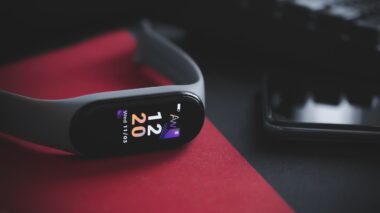
Technology plays a pivotal role in the effectiveness of hybrid fitness models for adaptive training. Smart devices and mobile apps are being integrated into regular workouts, offering users personalized fitness plans. These advancements provide real-time tracking of progress, ensuring up-to-date adjustments based on each participant’s performance. Virtual communication channels allow trainers to connect promptly with clients, addressing questions or providing encouragement. Users can access guided workouts, follow along with adaptive exercises, and receive feedback without being physically present. This approach is particularly beneficial for individuals with mobility limitations, enabling them to train safely from their homes. Additionally, technology facilitates creativity in workout plans, incorporating various equipment and methods suited to each individual’s needs. High-quality video tutorials and live classes improve engagement, as participants can see proper techniques efficiently demonstrated. Advanced wearable fitness trackers further enhance monitoring by recording metrics like heart rate, calories burned, and more. Likewise, community features within apps foster social connections, encouraging users to share achievements. Ultimately, technology elevates hybrid fitness training, helping adaptations reach new heights and promoting healthier lifestyles for individuals with disabilities.
Accessibility is a critical focus in hybrid fitness models that aim to meet the needs of individuals with disabilities. Various tools and strategies are incorporated within these programs to ensure everyone can participate effectively. Adaptive equipment is utilized to cater workouts to physical capabilities, enhancing overall exercise experiences. Additionally, class schedules are designed to accommodate diverse schedules and time zones, guaranteeing inclusive options. Both trainers and participants benefit from ongoing education about disabilities, as this knowledge helps shape more effective and accommodating training approaches. Workshops and certification courses allow fitness professionals to expand their skill sets and improve their understanding of adaptive fitness. Community engagement is vital for creating environments where individuals feel safe and motivated. Social media platforms bridge communication gaps between participants and trainers, allowing for continuous improvement in training programs. Moreover, large organizations and wellness centers often invest in adaptive fitness initiatives and resources, helping to expand access for underserved communities. By proactively addressing barriers, hybrid fitness models pave the way for healthier lives. Through commitment to accessibility, we can ensure that fitness is truly inclusive for everyone, regardless of ability or background.
Different types of disabilities require unique approaches to fitness, creating a demand for personalized training within hybrid models. Trainers equipped to address varying needs can tailor workouts that are engaging and safe for individuals. This tailoring encompasses everything from modifications in intensity to specific exercise choices based on individual capabilities. Functional movement assessments are critical to this personalized approach, enabling trainers to identify limitations and strengths accurately. With this information, they can design a program that promotes growth while minimizing the risk of injury. Additionally, understanding each participant’s motivation plays a significant role in maintaining long-term engagement. By incorporating interests and preferences in workout selections, trainers will cultivate a more enjoyable fitness experience. Furthermore, group classes can be adapted to ensure participation, blending various skill levels. These approaches create an inclusive atmosphere that fosters collaboration among peers. Trainers can incorporate accessible technology platforms to provide virtual training and continually adjust participants’ programs based on progress feedback. This holistic understanding of personal abilities is essential, impacting every aspect of the healing process and fostering sustainable, enjoyable relationships with fitness and health.
The fitness industry is witnessing an evolution due to the amalgamation of in-person and virtual training methods for adaptive fitness. Expected future trends indicate an increase in the variety and availability of hybrid fitness programs. Greater numbers of professionals are becoming certified in adaptive training, employing advanced techniques for effective coaching. Major fitness organizations are likely to launch initiatives that target previously underserved groups, ensuring wider access to resources. There will be a stronger focus on data-driven decisions, using analytics to shape fitness programs based on participants’ progress and preferences. Accessibility in technology will continue to improve, providing even more resources for adaptive fitness. As inclusion becomes a prime industry objective, improved technology will aid in creating an atmosphere that authentically embraces diversity at every level. Mentorship programs connecting experienced trainers with aspiring ones can help expand expertise across communities. Online competitions and challenges will also rise, encouraging broader participation while using hybrid training formats. Collectively, these innovations will create fitness resources that align more closely with individual needs, ultimately empowering all users. The commitment to a more inclusive landscape illustrates the importance of embracing new trends in adaptive fitness for future generations.
In conclusion, the future of hybrid fitness models highlights their essential role in fostering adaptive training for individuals with disabilities. By combining both in-person and virtual platforms, these models offer unrivaled flexibility, accessibility, and community support. Active participation enables individuals to redefine their capabilities and achieve goals within a supportive network. Addressing varying disabilities leads to increased perspectives and techniques, ultimately promoting healthier lifestyles. Furthermore, technological advancements have become crucial to personalized in adaptive fitness, enabling continual adjustments to meet individual needs effectively. The drive for inclusivity has already begun influencing industry standards, paving the way for even more comprehensive programs in the future. Collaboration between fitness professionals, organizations, and communities will further enhance resource availability for adaptive fitness. By expanding certified trainers, flexible scheduling, and adaptive equipment options, we prepare the ground for significant change. The experience gained from collective efforts will facilitate a more equitable fitness environment for all individuals, regardless of physical limitations. Through embracing these hybrid models, society will move toward a future where adaptive fitness is an integral part of every community and health initiative.
Overall, the hybrid fitness model is reshaping the landscape of adaptive fitness for individuals with disabilities, enhancing inclusivity, accessibility, and community building. Combining in-person and virtual training methods allows participants to experience tailored workouts while engaging effectively in varied formats. With the functional assessments available, trainers can maximize safety and efficacy while creating enjoyable environments for those involved. The importance of social connections is evident as participants share experiences, promoting positive mental health aspects within the fitness realm. As technology continues to advance, the potential for hybrid models expands, allowing for more personalized approaches and broader participation options. Future trends will likely include partnerships with health professionals and organizations to ensure ongoing support and resources. A collaborative effort between varied stakeholders will further reshape the industry, focusing on accessibility without compromising quality. Sharing success stories generates empowerment within the community, inspiring new participants to reclaim their health identities. As hybrid fitness models continue to evolve, they will play an essential role in eliminating barriers within fitness, fostering a healthier, more equal society where everyone can thrive in their personal journeys toward well-being.