
How to Plan Your Open Water Swimming Season
Open water swimming requires careful preparation and planning for a successful season. Start by assessing your current swimming skills and setting realistic goals. Familiarize yourself with various open water environments, as swimming in lakes, rivers, or oceans offers unique challenges. Prioritize safety, and consider joining a local swimming group; this provides not only training partners but also invaluable insights. Next, choose your races wisely; selecting a variety of distances can greatly enhance your experience. Commit to your training schedule by gradually increasing your swimming distance and frequency. Include strength training and flexibility workouts to support your swimming; this broadens your fitness level and reduces injury risk. How will you adapt your nutrition plan? Nutrition plays a vital role, so focus on hydration and the balance of carbohydrates, proteins, and fats. Weigh the importance of gear; invest in high-quality wetsuits and swim goggles that suit your needs. To effectively navigate your open water swims, practice sighting techniques, which are crucial for swimming straight. Lastly, seek advice from experienced swimmers to refine your planning and enhance your overall performance in open water swims. By approaching it wisely, your season will be rewarding.
Essential Gear for Open Water Swimming
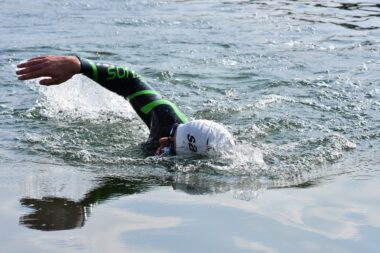
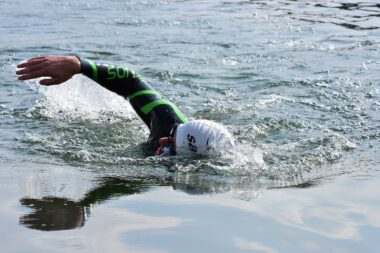
Equipping yourself with the right gear can substantially improve your open water swimming experience. A quality wetsuit is critical; it provides buoyancy and warmth in colder waters. Look for a wetsuit that fits snugly without restricting movement. Don’t forget about swim goggles; opt for ones with anti-fog properties and UV protection for added safety. Consider investing in a swim buoy; these brightly colored inflatable devices help increase your visibility and keep you safe while training or racing. For longer swims, carry a hydration belt that securely holds fluids or energy gels, ensuring you stay fueled throughout your workout. Additionally, consider using earplugs and nose clips; these can help you manage water entry and improve comfort during your swims. Know the importance of swim caps; they not only give warmth but also reduce drag. When it comes to training aids, items like fins and pull buoys can be integral to improving your technique and building strength. Always remember to have a waterproof bag for transporting your gear to the swimming venue, ensuring everything remains dry. With the proper equipment, you’ll feel more confident and prepared in the water.
Designing a training schedule for open water swimming requires consistency and flexibility to adapt to your evolving skills. Start by assessing your current swimming abilities and evaluate how many days a week you can dedicate to training. A well-rounded plan includes distance swims, speed work, and recovery sessions. Set one long-distance swim each week to simulate race conditions. Incorporate interval training on non-long-distance days to improve speed and endurance, and remember, rest days are essential for muscle recovery. Aimed at enhancing your comfort level, include at least one open water swim in your weekly practices. Finding local lakes or beaches where you can swim safely is vital; this experience will better prepare you for race day. Aim to progressively increase the distance each week, keeping in mind the specific races you intend to participate in. Cross-training can also add variety; consider integrating cycling or running workouts to prevent boredom. Lastly, listen to your body throughout the training; if something feels off, don’t hesitate to adjust your schedule. By implementing these strategies, you’ll enter race day confident and ready to tackle any swim challenges that come your way.
Nutrition Tips for Open Water Swimmers
Nutritional planning plays a significant role in your performance as an open water swimmer. A well-balanced diet is essential, focusing on boosting energy levels and aiding recovery. Begin by consuming complex carbohydrates, such as whole grains, fruits, and vegetables, to fuel your endurance training. Protein intake, from lean meats, beans, or dairy, supports muscle recovery and repair. Don’t overlook healthy fats; these are vital for overall body function and can be sourced from nuts, avocados, and fish. Staying hydrated is critically important; always ensure you’re drinking enough water, particularly before and after your swims. Adding electrolyte drinks may also help maintain hydration levels during longer swims. It’s crucial to practice nutrition strategies during training session as you would on race day. Experiment with pre-swim snacks, during-swim energy gels or chews, and post-swim meals to figure out what works best for your body. Keeping a food journal may help you track what nourishes or affects your performance. Remember, the right nutrition is not just about eating well, but also about timing your meals appropriately for optimal recovery and performance.
Understanding the environments where you’ll be swimming is crucial for a successful open water swimming season. Research the local lakes, rivers, or oceans where you plan to train and race. Each environment presents unique challenges, such as currents, waves, or water temperature variations. Familiarizing yourself with these factors equips you with knowledge about potential hazards. For instance, in ocean swimming, be mindful of tides and marine life. Learn the best time for swimming to avoid strong currents. Utilize buoy markers or other references as guides while swimming. Furthermore, consider local weather patterns; understanding how wind, rain, and sun affect swimming can improve your planning, especially for race day. Check local advisories for water quality regularly to ensure safety before entering any body of water. To enhance your skills, practice drafting behind other swimmers to conserve energy and improve speed. Engage with fellow swimmers or coach to love an even deeper understanding of the local waters and take with you some safety gear. With focused training in varied environments, your confidence in open water swimming will surely elevate.
Race Preparation for Open Water Swimming
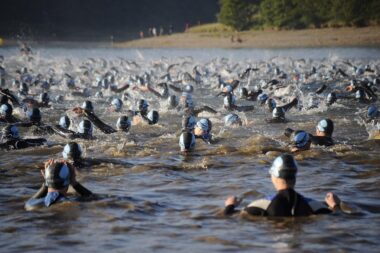
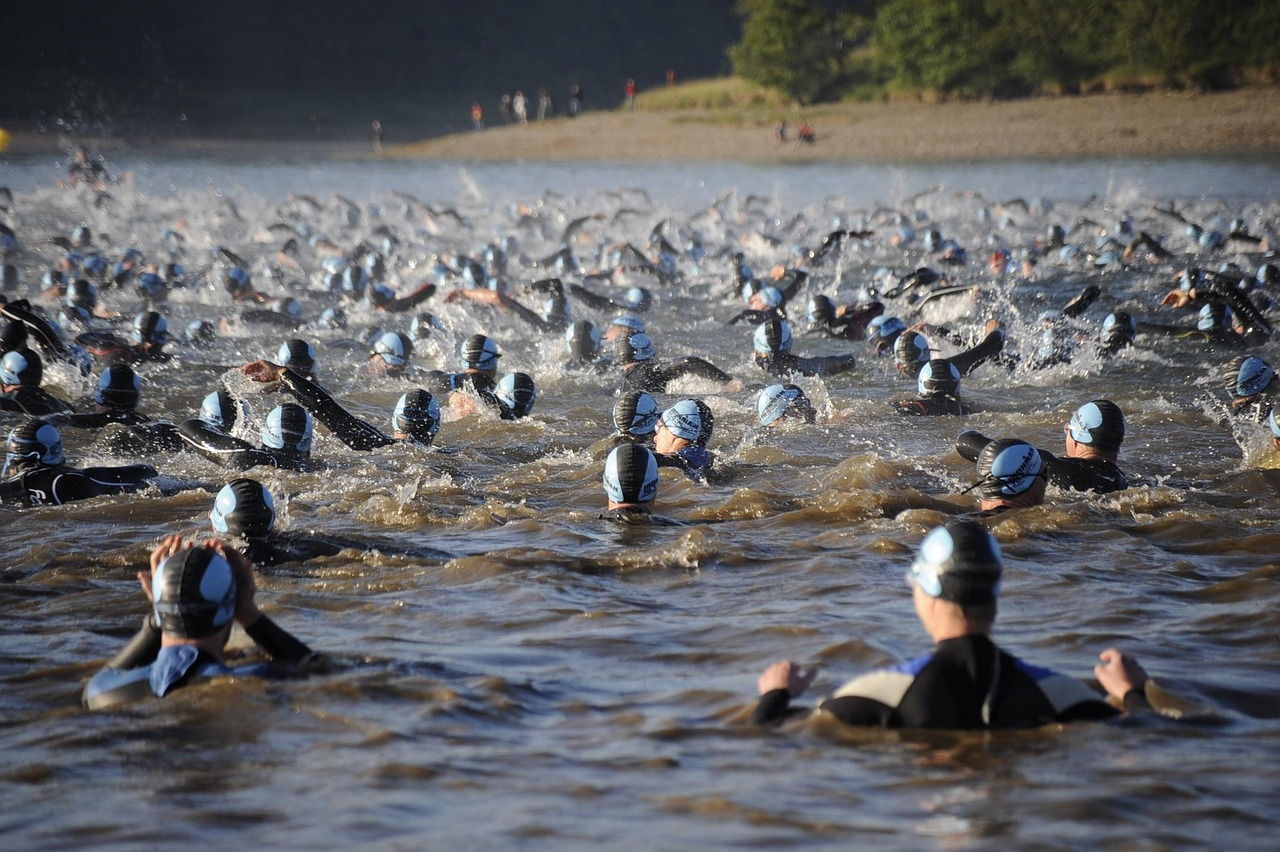
Preparing for your first open water swimming race can feel daunting, but a systematic approach can ease the process. Begin with engaging in mock races before the actual event to familiarize yourself with the racing environment. Consider participating in training sessions at the same location; understanding specific challenges can sharpen your racing techniques. Set specific goals for your race day, whether they are based on time, distance, or simply enjoying the experience. Check the race details thoroughly: familiarize yourself with the course layout, start times, and safety protocols. Arrive early to allow time for changing, warming up, and settling any race-day nerves. Mentally visualize your race strategy, keeping in mind buoy placements and sighting points throughout the swim. Finally, ensure you have your race gear ready; double-check your wetsuit, goggles, and swim cap. On the race day, remember to stay calm and focused. Engage with fellow competitors to create a supportive atmosphere and don’t hesitate to adapt your strategy if race conditions differ from your training. With thorough preparation, you will cross the finish line and celebrate your achievements.
Last but not least, post-race recovery is an integral yet often overlooked part of open water swimming. After completing your event, it’s critical to cool down properly; swim lightly for a few minutes to help relax your muscles. Rehydrate immediately with water or electrolyte drinks to replenish lost fluids. Consuming a post-race meal rich in carbohydrates and protein aids in muscle recovery; consider options like a smoothie, yogurt with fruits, or a grilled chicken salad. Take time to stretch and reflect on your performance; this will help identify areas for improvement in future races. Consider scheduling rest days in the days following your event to allow your body adequate time to recover. Engage in gentle activities, such as yoga or walking, to relieve muscle tension. If any injuries arise, it’s crucial to address them promptly to prevent further issues. Consulting with a coach or joining a recovery group can also provide support and encouragement during this phase. By integrating recovery strategies, you’ll enhance your overall performance and prepare yourself for future open water swimming adventures.
As you close your season, conduct an evaluation of your training and races. Reflecting on what you learned will help shape your approach for the next season, ensuring continuous growth. Document your experiences both in training and during races so you can analyze successes and challenges. Seek feedback from other swimmers and coaches; their insights can prove invaluable in enhancing your technique and decision-making. Research potential races for the subsequent season and start setting new goals based on your evaluations. Consider joining clubs or groups that can provide both competitive events and social interactions; this can improve motivation. Planning a gradual return to training after recovery will ensure you stay physically prepared. Creating a vision board for your aspirations can serve as a visual motivation for the upcoming season. Consider discussing your future swimming plans with your peers to share ideas and foster accountability. Balancing enjoyment with rigor in your training will help maintain your passion for open water swimming. As you dive into a new season, use these reflections to propel your performance forward while enjoying the journey of swimming.