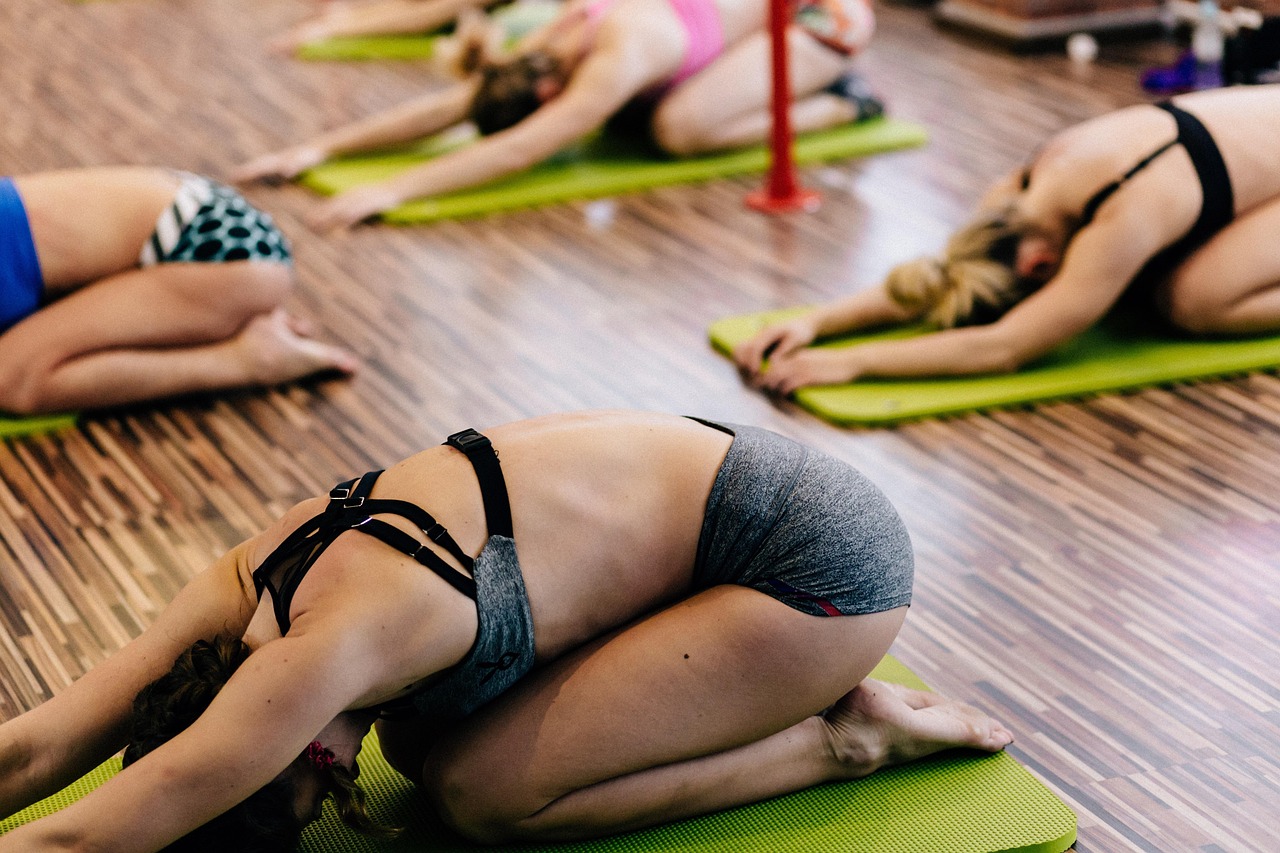

How to Incorporate Flexibility Routines in Your Cool-Down
Incorporating flexibility routines into your cool-down not only enhances the recovery process but also promotes overall body health. After a workout, your muscles need time to recover and stretching effectively allows for better alignment and balance. Flexibility routines can prevent injuries, enhance performance, and increase blood circulation throughout the body. Engaging in a proper cool-down with stretches can reduce muscle soreness, helping to alleviate fatigue. It is essential to have a structured cool-down routine designed to gradually reduce the intensity of activity while promoting flexibility. Ideally, the cool-down phase should consist of static stretching holds, targeting major muscle groups for an extended period. Stretching after exercising ensures that muscle fibers realign properly, helping them recover effectively. This practice is beneficial for individuals who participate in various activities, including sports, running, or weight training. Customizing your cool-down procedure to incorporate specific flexibility movements based on your physical activity will ensure effectiveness in achieving your fitness goals.
Timing your flexibility routine effectively is crucial for optimal results. Spending at least 10 to 15 minutes on cool-down stretches post-exercise maximizes recovery benefits. Many workout enthusiasts overlook the importance of this period, but it serves a vital role in muscle recovery. The best time to perform these flexibility routines is immediately after your body has reached peak performance. Targeting areas that feel tight or fatigued ensures that children receive thorough attention and care. Incorporating deep breathing techniques during your stretching not only calms the mind but also helps to improve oxygen delivery to the muscles. Stretching while focusing on breath can enhance your overall experience, leading to a more fulfilling post-workout routine. Remember to hold each stretch for 15 to 30 seconds, allowing the muscles to relax and elongate properly. It is important to listen to your body and avoid pushing it too far during stretches, as this could lead to injury. Gradually increasing stretch intensity over time can yield the best results. During this period, maintain hydration to ensure your muscles remain elastic and can handle the flexing escapade.
Essential Flexibility Stretches
When designing your flexibility routine during a cool-down, consider incorporating essential stretches that target major muscle groups. Effective options include the hamstring stretch, quadriceps stretch, shoulder stretch, and hip flexor stretch. For the hamstring stretch, extend one peg forward while leaving the other leg behind, with the goal being to touch your toes. The quadriceps stretch can be performed standing by pulling the foot towards your glutes, generally supporting balance with the opposite hand. Utilizing a wall, tree, or bench can facilitate better control during balancing stretches. The shoulder stretch involves crossing one arm over the body and pulling with the opposite arm. Finally, the hip flexor stretch consists of kneeling on one knee and pushing the hips forward while maintaining an upright posture. Each of these stretches serves to elongate muscles that are frequently contracted during different exercises. Consistency is essential when integrating flexibility exercises into your routine, ensuring gains in flexibility and mobility. Aim to perform these stretches regularly, adjusting depending on your specific training goals and physical needs to maximize the effects.
Adding dynamic stretches during the cool-down can further enhance flexibility benefits. Incorporate movements that encourage blood flow to recovering muscles, such as leg swings and arm circles. These dynamic stretches, although primary to warm-ups, can work well in activating muscles during cool-down. Gradually transitioning to static stretches can assist in fine-tuning the recovery process. Repeating movements like neck rolls and torso twists will take you through several planes of motion, ensuring that all parts of the body are utilized. Pay attention to the transitions between dynamic and static stretching phases, making them fluid and focused. Moreover, utilize props like yoga straps or foam rollers to deepen stretches effectively while helping alleviate tension in hard-to-reach areas. These props can provide support during stretches, making for a more comfortable and effective routine. Performed correctly, integrating both dynamic and static stretches into your cool-down will optimize muscle recovery, reducing soreness and the risk of injury. Tracking your progress and noting how flexibility improves will reinforce the routine, encouraging you to continue pushing boundaries.
Designing a Personalized Routine
Creating a personalized flexibility routine is vital for addressing unique needs and goals. Consider how your body responds to various stretches and focus on areas where you frequently experience tension or tightness. Have an array of stretches to rotate through, potentially tailoring the cool-down phase alongside individual workouts. Remember to document each stretch’s duration and intensity to measure your adaptability over time. Tailoring your routine can be based on various factors, including your activity level or types of exercises performed. If you tend to participate in endurance training or strength workouts, adjusting your stretching regimen to focus on those specific muscle groups may yield the best results. Listen to your body’s feedback after workouts, allowing that to guide your choices in flexibility training. Consulting fitness professionals or physiotherapists can also provide valuable insights and recommendations. Finding a routine that works can take time, allowing you to discover flows that resonate with your body and lifestyle. Regularly assessing progress wherever possible helps keep motivation high, encouraging a lasting commitment to enhancing flexibility and mobility.
Incorporating mindfulness during flexibility exercises can transform your cool-down experience. Paying attention to the body’s sensations as you stretch adds a meditative aspect. Focusing on breath and body alignment during each stretch promotes relaxation, leading to an enjoyable routine. Mindful stretching reduces stress levels and fosters a deeper connection between body and mind, enhancing overall well-being. Techniques such as visualization can heighten this connection, where you envision muscles lengthening and releasing tension during each hold. As each stretch is held, paying attention to how the body reacts can help identify limits. Ensuring proper engagement of specific muscle groups while stretching allows a safe yet challenging routine. With practice, mindful stretching can lead to heightened awareness of flexibility and mobility progress. Designing an environment that fosters mindfulness envelops distractions, allowing for a more enriching practice. Calming music or nature sounds can encourage focus, maximizing the routine’s benefits. Ultimately, incorporating mindfulness will not only improve flexibility but also contribute positively to mental health, creating a holistic approach to fitness. Committing to this practice emphasizing both flexibility and mobility strengthens the bond between physical health and mental well-being.
Evaluating Progress
Regularly evaluating progress in flexibility is fundamental to integrating routines effectively into any workout. Tracking how well you perform stretches and how your body feels can indicate improvements and areas needing further attention. Utilizing journal entries or mobile apps to document performance is a great way to visualize progress over time. Key milestones might include stretching a little further each time or holding stretches longer than before. Regular assessments provide a snapshot of flexibility changes, reinforcing motivation. Consider scheduling progress evaluations monthly or biweekly, depending on your fitness journey type. You may also find it useful to establish flexibility benchmarks based on personal goals, providing tangible targets to strive towards. Along with documentation, testing flexibility through fitness assessments can guide the adjustment of your cool-down routines based on results. Consulting experts in flexibility training can help facilitate understanding improvements; they might recommend specific strategies to achieve better performance. Being patient and compassionate with yourself throughout this journey creates better space for progress. Ultimately, the continuous journey towards enhanced flexibility will yield significant benefits for training outcomes, health, and well-being.
Ultimately, flexibility and mobility play an integral role in an effective cool-down routine. Consistent engagement in these critical areas will significantly enhance performance capacities, reduce injury risk, and promote overall well-being. Establishing a routine that incorporates essential stretches, mindful breathing, and personalized adjustments will ensure you receive the full benefits of your workouts. Emphasizing proper technique and performance throughout each stretch is paramount to achieving desired outcomes. The cumulative effects of regular stretching will lead to noticeable improvements in flexibility and mobility, enhancing overall performance in various physical activities. It is vital to remember that everyone is on their own fitness journey and that progress takes time. Celebrate small achievements along the path, reinforcing motivation to maintain your routine. Exploring flexibility-enhancing activities off the mat or workout area can further enrich your experience. Engage with classes highlighting various stretching modalities, including yoga or Pilates, to introduce new techniques into your routine. Flexibility routines in cool-downs should be an enjoyable extension of your workout that fosters growth and recovery. Gradually, you’ll cultivate increased flexibility and mobility, ultimately contributing to a healthier lifestyle filled with endless possibilities.