
How Intense Workouts Affect Immune Function
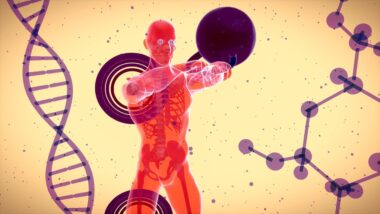
Exercise plays a crucial role in maintaining overall health and wellness. When it comes to the immune system, various types and intensities of physical activity can elicit different responses. Moderate exercise is generally viewed as beneficial, while intense workouts yield a more complex picture. The relationship between exercise intensity and immune function is influenced by factors such as duration, frequency, and individual fitness levels. For instance, longer periods of high-intensity activities may lead to temporary immune suppression. This phenomenon, often dubbed the “open window theory,” suggests that after intense training sessions, the body’s defenses may be compromised. During this window, individuals may be more susceptible to infections, particularly respiratory illnesses. Interestingly, immune response varies widely among weightlifters, runners, and endurance athletes. Research indicates that while some athletes experience a boost in immune function, others see a decline. Understanding these distinctions is essential for designing effective training regimens that maximize benefits while minimizing risks. Overall, finding the right balance between intensity and recovery is key to sustainable performance and health.
To comprehend how intense workouts affect immune function, we need to delve into the physiologic responses induced by exercise. When an individual engages in strenuous activity, the body increases the production of various hormones and proteins. These changes involve the release of catecholamines, which influence immune cell activity. High-intensity workouts lead to a spike in cortisol levels, a hormone that, in excessive amounts, can suppress immune function. In contrast, moderate exercise facilitates the circulation of immune cells, enhancing the immune response. The body also releases cytokines, signaling proteins that mediate inflammation and immune responses, during and after exercise. Although moderate levels of aerobic exercise can elevate these protective factors, excessive duration or intensity can reverse these beneficial effects. Thus, while responding to intense workouts improves certain immune markers temporarily, it might not confer lasting protection. Additionally, the type of exercise undertaken—be it resistance training or aerobic workouts—shapes immune system interactions. With varied effects on various markers of immune response, athletes should consider moderation and include adequate recovery periods to optimize their immune health.
Understanding the Open Window Theory
The “open window theory” illustrates how intense physical activity can create vulnerabilities in the immune system. This theoretical framework posits that after exhaustive workouts, there exists a temporary period characterized by a reduced immune response. During this state, people often become susceptible to pathogens, making it critical for athletes and fitness enthusiasts to recognize these post-exercise vulnerabilities. The duration of this open window may vary based on the individual’s overall health, fitness level, and nutrition. For example, untrained individuals may remain more susceptible for a longer duration compared to conditioned athletes. The specific duration of this window appears to be between 3 to 72 hours post-exercise. During this time, a range of factors, including sleep quality and hydration status, can further influence immune responses. Incorporating proper nutrition post-workout, such as adequate protein and carbohydrates, can help mitigate some of the negative effects. Intending to stay healthy requires a holistic approach that addresses both training intensity and recovery strategies to counteract the effects of the open window.
Research indicates that the timing of nutrient intake is critical to optimizing immune function following intense workouts. Some studies show that athletes who consume carbohydrates and protein shortly after training exhibit improved recovery times and enhanced immune responses. This strategy balances the effects of exercise-induced immune suppression by replenishing glycogen stores and supporting muscle repair. Key nutrients such as vitamins C and D, zinc, and probiotics further contribute to bolstering the immune system during recovery phases. Specifically, vitamin C has been recognized for its antioxidant properties, aiding in tissue repair and inflammation reduction. Conversely, excessive supplementation can have adverse effects, thus reinforcing the idea of consuming nutrients through whole foods. Additionally, maintaining adequate hydration before, during, and after workouts has been linked with improved immune responses and overall health perceptions. Hydration ensures optimal blood volume and nutrient transport, underpinning systemic functions including immune health. Understanding the profound correlation between nutrient timing, hydration, and workout intensity can equip athletes with the tools necessary to support their immune systems effectively while pursuing their fitness goals.
Effects of Intensity on Immune Response
Different intensities of physical activity yield distinct immune responses, creating a spectrum of effects on overall health. Moderate exercise is known to enhance various aspects of immune function, promoting the circulation of immune cells and improving your body’s ability to fend off illnesses. Conversely, high-intensity exercises can lead to undesirable effects, particularly if not managed carefully. This reality suggests that athletes should be strategic about their training intensity to support immune health effectively. Studies confirm that while brief intervals at higher intensity may yield benefits, prolonged exposure to high stress can inadvertently trigger inflammation beyond what is beneficial. Thus, tuning into one’s body and recognizing stress signals is paramount. Moreover, the adaptation of the immune system to exercise occurs over time; therefore, incorporating periods of lower intensity and rest is necessary for long-term health. Balancing sessions of high-intensity workouts with active recovery or lower-intensity exercises creates a dynamic approach that cultivates a resilient immune system. With this knowledge, athletes can tailor their training to maximize health and performance without compromising immune integrity.
To preserve immune function amidst rigorous training, adequate recovery becomes increasingly more critical. Recovery protocols allow the body to repair damaged tissues and restore various physiological systems, including the immune system. This restoration is essential, as persistent high-intensity training without sufficient recovery can lead to overtraining syndrome, characterized by elevated fatigue, mood disturbances, and an increased risk of illness. Including rest days, active recovery sessions, and sleep is vital for successful training outcomes. Sleep, in particular, plays a significant role in immune function and overall recovery, as the body performs significantly restorative processes during deep sleep cycles. Athletes should aim for quality sleep by establishing a consistent sleep routine and minimizing disruptions. Stress management techniques, such as mindfulness, yoga, or meditation, can further enhance recovery and immune support. In summary, building a well-rounded approach involving nutrition, hydration, recovery, and stress management reinforces immune defenses while pursuing high-performance levels. A sustainable exercise routine respects the body’s cues, allowing for adaptation, enhancement, and longevity, ensuring long-term participation in physical activities.
Conclusion: The Balance of Exercise Intensity and Health
In conclusion, understanding the relationship between intense workouts and immune function has profound implications for athletes and fitness enthusiasts. By recognizing the balance between beneficial and detrimental effects, individuals can better navigate their training regimens. High-intensity exercise can bring about immune suppression and other adverse effects if not approached wisely. On the other hand, moderate exercise bolsters immune defenses, enhancing resilience against infections. Tailoring each training session requires being mindful of the individual’s recovery needs while emphasizing adequate nutrition and hydration. Recovery days, active rest, and stress reduction practices play vital roles in immune health. For best practices, individuals should adapt their exercise routines to their personal fitness levels while prioritizing well-being. Ultimately, a comprehensive understanding of the dynamics between exercise intensity and immune response allows individuals to cultivate more effective and healthier fitness journeys. By fostering a synergistic relationship among exercise, nutrition, and recovery, it becomes possible to achieve peak performance along with robust immune strength, promoting overall wellness for athletes and casual fitness enthusiasts alike.
Incorporating these insights into exercise plans not only optimizes performance but also nurtures long-term health goals, sustaining an active lifestyle.