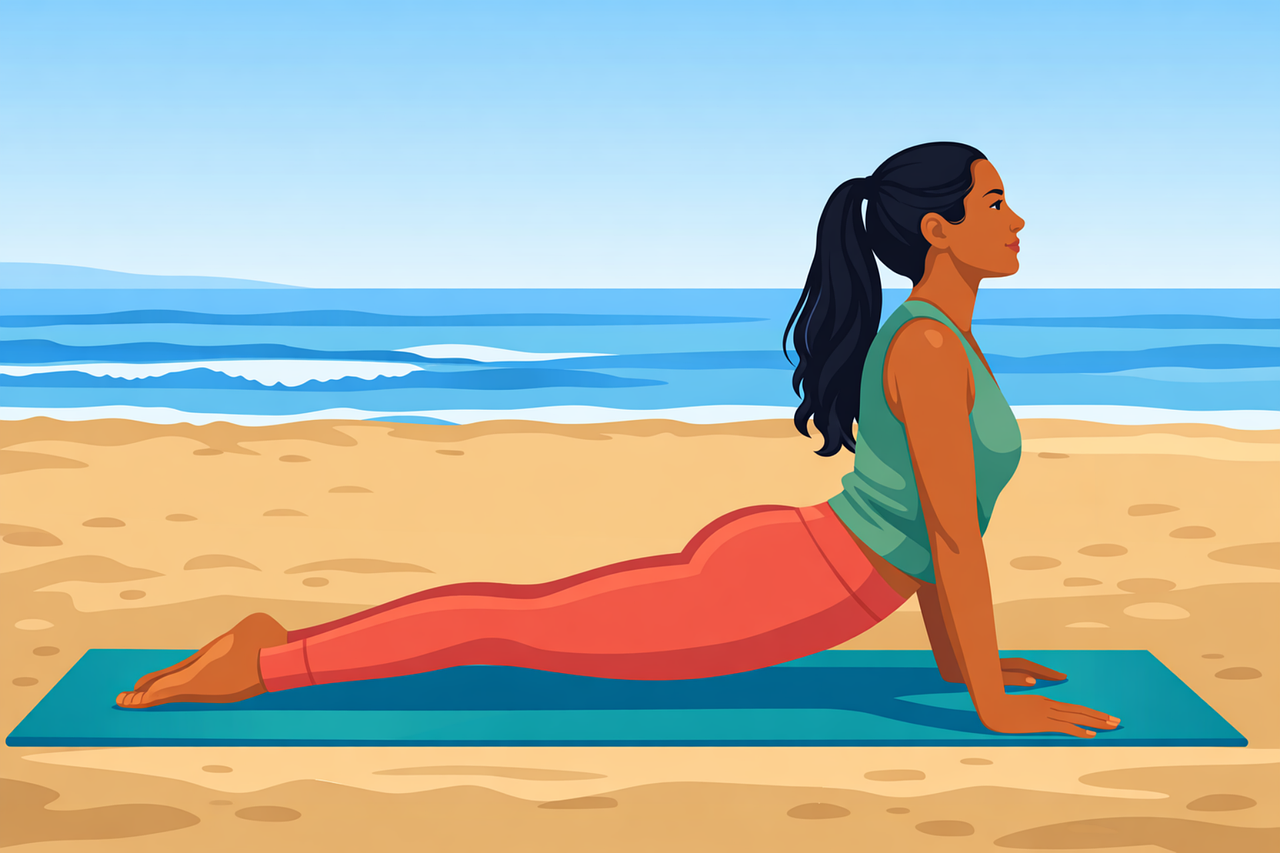

How Flexibility and Mobility Improve Posture
Understanding mobility and flexibility is crucial for enhancing posture. Mobility refers to the ability of joints to move freely through their full range, while flexibility involves the lengthening of muscles to achieve that range. Many often confuse these two terms, yet they are interconnected. When you improve mobility, it aids in making movements smoother and more efficient. Strengthening both aspects can alleviate stiffness and enhance performance in physical activities. Moreover, individuals who focus on flexibility can prevent injuries that arise from muscle tightness. Mobility work, in contrast, keeps the body adaptable and responsive. Well-integrated programs targeting both abilities can significantly enhance daily movement quality. Implementing stretches and dynamic exercises can improve the overall range of motion in joints and muscles. In addition, incorporating activities like yoga and Pilates promotes better muscle and joint coordination, allowing for improved posture. Athletes often benefit from improved mobility and flexibility since they engage in more significant movements. Consequently, this boost in overall quality of movement enhances physical performance and posture, ultimately leading to greater potential and wellbeing.
Mobility and flexibility play a significant role in posture improvement, especially in today’s world of sedentary lifestyles. Individuals sitting for extended periods may experience tightness in hip flexors or hamstrings, which restricts motion and negatively impacts posture. Addressing this issue requires a comprehensive understanding of how the body moves. First and foremost, regular stretching exercises are fundamental for maintaining flexibility. Techniques such as static stretches can lengthen tight muscles and alleviate discomfort. Moreover, practicing mobility drills can help unlock stiff joints, enhancing their functionality. Individuals can adopt routines that incorporate both stretching and mobility exercises. Examples include the following:
- Dynamic lunges
- Hip circles
- Cat-cow stretches
Engaging in a combination of these movements allows individuals to navigate life more fluidly. Furthermore, the inclusion of foam rolling can also break up muscle adhesions, improving overall muscle elasticity. By fostering an independence of movement, one can reduce the risks associated with poor posture. Therefore, understanding the key differences in mobility and flexibility allows one to create effective strategies for achieving better posture and overall health.
When focusing on mobility and flexibility, the connection to body alignment becomes evident. Proper alignment is critical for maintaining good posture, as it ensures that the body’s weight is distributed evenly throughout the spine. Poor alignment can lead to muscle imbalances, which can result in pain and further postural issues. By emphasizing mobility, individuals can achieve a wide range of motion in their joints. Moving freely allows the body to respond appropriately to activities without strain. Incorporating exercises targeting the thoracic spine, such as rotations and extensions, encourages healthy alignment. Additionally, mobility work should not solely focus on lower-body movements; the upper body plays a crucial role too. Flexibility is equally as vital; incorporating stretches like shoulder openers reduces tightness from extended hours spent at desks. Maintaining a flexible body ensures the muscles can adequately support skeletal structures. Awareness of this balance can lead to effective corrective strategies. Combining flexibility and mobility training ultimately leads to a comprehensive approach to improving overall health and posture, helping individuals adopt a proactive stance toward their wellbeing.
Benefits of Flexibility and Mobility Training
Flexibility and mobility training offer numerous benefits, particularly for posture improvement. Enhancing muscle flexibility allows for easier movement patterns while reducing the likelihood of injury. Better flexibility increases blood circulation, delivering essential nutrients to the muscles and joints. Additionally, improved mobility strengthens the connective tissues, ensuring that muscles work in harmony with the skeletal system. This balance is crucial for sustaining proper posture, especially during physical activities. Regular flexibility and mobility training have been linked to decreased muscle soreness and improved recovery times. A well-rounded approach often leads to enhanced athletic performance, allowing athletes to reach their highest potential. Moreover, maintenance of muscular balance reduces the risk of developing chronic pain or discomfort due to postural deviations. Wellness professionals advocate for incorporating strength training to support this balance; it complements flexibility and mobility work, reinforcing optimal alignment. Developing a strong core also underpins good posture; exercises targeting abdominal and back muscles provide a solid foundation. Emphasizing these aspects of training yields powerful results in terms of posture improvement, physical performance, and overall health.
Adopting a consistent routine incorporating flexibility and mobility can profoundly influence daily life. Committing to a well-structured regimen provides individuals with the tools necessary to achieve sustainable improvements. Focusing on areas prone to tightness and soreness can maximize results. For instance, integrating stretches for the hip flexors and hamstrings into everyday activities can be highly beneficial. Furthermore, prioritizing mobility training enhances the functionality of the joints, making everyday tasks easier. Throughout the day, taking breaks to stretch or perform mobility drills can recharge and invigorate both the mind and the body. Setting achievable goals fosters a sense of accomplishment, motivating ongoing commitment. Joining group classes can also build accountability, creating a community supporting each other in their pursuits. Documenting progress serves as a reminder of all the hard work invested. Moreover, consider consulting with fitness professionals who can guide individualized practices. Personalizing training ensures that it aligns with specific goals and needs while addressing any pre-existing concerns. Ultimately, a proactive approach dedicated to flexibility and mobility leads to transformational improvements and can significantly enhance one’s quality of life.
Conclusion: Prioritize Mobility and Flexibility
In conclusion, improving posture through flexibility and mobility is essential for individuals of all lifestyles. Prioritizing these elements can drastically enhance body awareness, alignment, and overall functionality. Consequently, engaging in consistent training helps prevent injuries and chronic pain stemming from inadequate movement habits. Incorporating various exercises, such as yoga, pilates, and dynamic stretching, greatly benefits posture improvement. Whether in recreational pursuits or professional athletics, individuals witness positive outcomes through regular practice. Moreover, fostering a culture that values and emphasizes these aspects can lead to better physical health among various demographics. Education around mobility and flexibility remains crucial. Making informed choices encourages individuals to adopt healthier habits and routines. Ultimately, as people invest in flexibility and mobility, they grant themselves a greater quality of life. Taking those initial steps toward a flexible, mobile lifestyle can unlock potential in physical abilities and improve postural wellness greatly. By understanding the relevance of mobility and flexibility, individuals can confidently embark on a journey toward enhanced health. Practicing these principles empowers everyone to strive for a balanced and resilient body.
Ultimately, combining flexibility and mobility improves not only posture but also every aspect of daily living. Science has repeatedly shown that regular engagement in movement-focused practices yields lasting positive effects. Individuals benefit from reduced discomfort, increased energy levels, and enhanced overall body functionality as they prioritize flexibility and mobility. As a result, participants in fitness programs often feel higher satisfaction rates regarding their physical performance. They experience substantial improvements in their lives while developing a deeper oneness with their bodies. Furthermore, this journey toward improved posture can instill a more robust sense of confidence. As alignment increases, so does self-esteem and comfort in various environments. Regular practice fosters trust in the body’s capabilities, encouraging individuals to explore limits. Strength-building exercises provide support for muscle growth, promoting better posture in the process. All these elements combined create a powerful recipe for success in achieving optimal health. The journey toward flexibility and mobility is ongoing and dynamic, allowing individuals to adapt and grow. Therefore, embracing this journey will undoubtedly lead to a fulfilling and enriching experience, improving posture and overall vitality.
Practical Tips for Maintaining Flexibility and Mobility
To maintain flexibility and mobility, individuals must prioritize regular training routines that incorporate various techniques. Understanding the principles behind effective training aids in creating dynamic and sustainable routines. First and foremost, it is essential to establish a consistent practice by dedicating time each week to focus specifically on these areas. Keeping sessions varied prevents monotony and ensures that multiple muscle groups are addressed. Incorporating workouts such as dance, martial arts, or yoga can be engaging and beneficial. Remember, warming up before any flexibility or mobility work is critical to prevent injuries and enhance effectiveness during practice. Listen to the body’s cues and avoid pushing through pain; this attention fosters understanding. Additionally, maintaining hydration and proper nutrition plays an integral role in supporting muscle function. Over time, individuals will begin to notice great improvements that will positively affect their overall well-being. Tracking progress in flexibility and mobility encourages deepening commitment to the journey. Lastly, remember to celebrate small victories during your progression as they motivate growth. Therefore, flexibility and mobility practice is a lifelong commitment to honor.