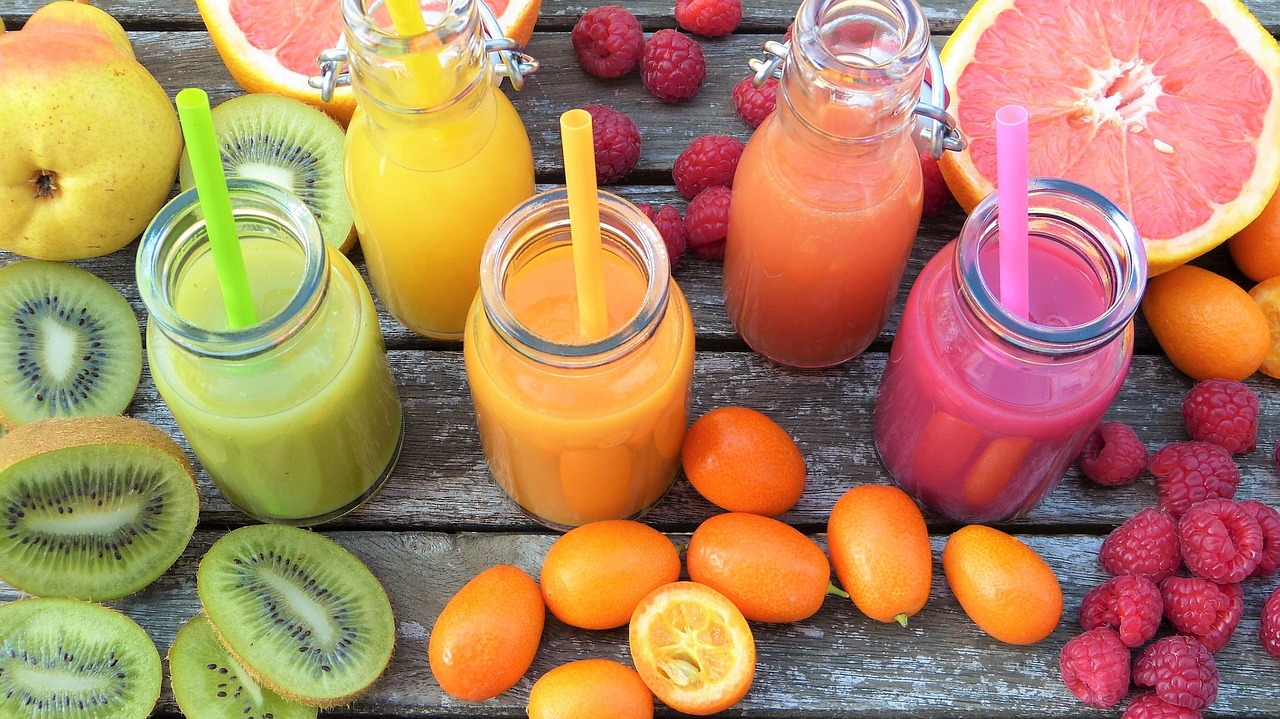

Detox Myths Busted: What You Need to Know
Detox diets have become increasingly popular, but many myths surround their efficacy and purpose. It’s essential to understand that the body naturally detoxifies itself through the liver, kidneys, and other organs. People often think that fasting, juice cleanses, or special detox products are necessary to cleanse the body. However, these methods can sometimes do more harm than good. Rather than relying solely on detox products, a balanced diet rich in whole foods can effectively support your body’s natural detoxification processes. Fresh fruits, vegetables, and whole grains provide the necessary nutrients to facilitate this process. It’s crucial to focus on a sustainable approach to nutrition, which includes hydration and reducing processed foods. Thus, the real challenge is shifting to healthier eating habits instead of seeking quick fixes. Additionally, consulting healthcare professionals can provide guidance on detox methods that work best for you. In summary, the most effective detox you can achieve comes not from diets but from making lasting lifestyle changes that promote overall health and well-being.
Many believe that detox diets can lead to rapid weight loss, but this is often misleading. When engaging in a detox, initial weight loss may occur, primarily due to water loss rather than fat loss. This weight is typically regained once regular eating resumes. Furthermore, extreme calorie restriction inherent in many detox plans can slow metabolism, leading to long-term weight gain instead of loss. Additionally, some detox diets can deprive the body of essential nutrients, causing health problems such as fatigue, dizziness, or digestive issues. Wouldn’t it be more beneficial to adopt a balanced approach that promotes gradual weight loss? Instead of detoxing for weight loss, focus on creating and maintaining healthy habits that are sustainable over time. Opt for a diet rich in nutrients that supports your body while allowing for occasional treats without guilt. Along with healthy eating, incorporating regular physical activity plays an important role in maintaining a healthy weight. In conclusion, history shows that quick weight loss methods, including detox diets, are rarely effective in the long run, and a balanced approach is ultimately the healthiest option.
The Role of Hydration
A common myth surrounding detox diets is that they require expensive juices or supplements for success, but this is not true. Water plays a vital role in detoxification, and staying hydrated is essential. Drinking plenty of water helps the body eliminate toxins through urine and sweat while promoting digestion and maintaining overall health. Herbal teas and naturally flavored waters can be great alternatives for those looking to enhance hydration without resorting to costly detox products. Moreover, avoiding sugary drinks, soda, and excessive caffeine is crucial for a successful detox. These beverages can hinder the detoxification process and lead to unwanted cravings. Instead, aim to increase your water intake gradually, incorporating it into your daily routine. Moreover, listening to your body’s signals can help you recognize when it needs hydration. When you stay hydrated, you also support your energy levels, making daily tasks more achievable. In short, hydration is a fundamental component of any detox plan and should not be overlooked. Therefore, focus on water and healthy hydration practices rather than expensive juices that claim to cleanse the body.
Another prevalent misconception about detox diets is that they can eliminate all toxins from the body. This myth can lead individuals to believe that detoxing will resolve various health issues, which is misleading. In reality, our bodies are equipped with natural detoxification systems, including the lymphatic system and liver, which continuously work to eliminate toxins. Detox diets should aim to support these systems rather than cleanse the body entirely. Instead of focusing solely on short-term detoxification, consider adopting a lifestyle centered on wellness that promotes restoration and balance. This includes consuming a variety of whole foods rich in antioxidants, vitamins, and minerals, which can help maintain a healthier body. You can also engage in practices such as yoga or meditation to facilitate emotional detoxification. It’s crucial to remember that achieving optimal health takes time and commitment rather than relying on overly restrictive diets. By promoting supportive habits instead of quick fixes, you can create a more sustainable and healthier lifestyle for yourself.
The Impact of Processed Foods
In understanding detox diets, one must acknowledge the negative effects of processed foods. Many people resort to detox diets to counteract the effects of poor eating habits, such as consuming highly processed foods filled with additives and preservatives. Rather than relying on a quick detox, consider gradually eliminating these unhealthy foods from your diet and replacing them with whole, natural options. Processed foods can hinder the body’s detoxification processes and contribute to various health issues, including inflammation and weight gain. Focusing on incorporating whole foods into your meals can positively impact your wellness while supporting your body’s abilities to eliminate toxins. Additionally, planning meals ahead of time can help ensure you avoid convenience foods, making it easier to stick with healthier choices. Emphasizing fresh fruits, vegetables, whole grains, and lean proteins leads to better digestion and overall health. Ultimately, adopting a lifestyle centered around whole foods is more effective than short-term detox diets. The long-term benefits of choosing nutrient-dense, minimally processed foods far outweigh the temporary fixes provided by detox diets.
Furthermore, detox diets are often considered a way to reset habits, but they can sometimes promote an unhealthy relationship with food. Many people may develop an all-or-nothing mindset regarding eating, leading them to binge on unhealthy foods after completing a detox. It’s crucial to recognize that a healthy relationship with food involves balance and moderation rather than strict rules. Instead of using detox diets as a tool to reset your eating habits, consider adopting food mindfulness techniques that promote a deeper understanding of hunger and satiety cues. Engaging in mindful eating practices encourages a positive relationship with food and helps prevent indulgence. Focus on savoring each bite and acknowledging how various foods make you feel, both physically and emotionally. Additionally, consider working with a registered dietitian to develop a personalized, sustainable eating plan that fits your individual needs rather than relying on temporary detox solutions. This approach fosters a healthier mindset and leads to a lasting lifestyle change that benefits both body and mind over time. Ultimately, balance is key to achieving genuine wellness.
Conclusion
In conclusion, many myths surround detox diets, leading to confusion about their effectiveness and purpose. Understanding that the body has natural detoxification systems is crucial for making informed decisions about diet and wellness. Instead of relying on quick fixes and temporary solutions, adopting a balanced and sustainable eating approach is essential. Focus on incorporating whole foods, staying hydrated, and reducing processed foods in your diet. This lifestyle shift will support your body’s natural detoxification processes while promoting overall health. Moreover, it’s important to foster a positive relationship with food, emphasizing balance and moderation rather than swinging between extremes. By doing so, you’ll not only avoid the pitfalls of detox diets but also cultivate a healthier lifestyle that lasts. Always prioritize nourishing your body and listening to its needs; consider consulting with a healthcare professional to guide you in adopting healthier habits. On this journey towards better health, remember that consistency and commitment to positive lifestyle changes will yield the most benefits over time. Therefore, choose to embrace long-term wellness rather than fleeting detox trends.