
Chair Yoga: Accessible Practice for All Ages
Chair yoga has emerged as an excellent way to make yoga accessible for individuals of all ages and physical abilities. This form of yoga allows practitioners to maintain their fitness while sitting or using a chair for support. Many poses traditionally practiced on the mat can also be adapted for use with a chair. This accessibility means that even those with limited mobility or chronic conditions can partake in the benefits of yoga. Chair yoga promotes flexibility, strength, and balance without the strain of conventional yoga poses. The incorporation of a chair makes transitioning into different positions easier, significantly enhancing the experience. By utilizing a chair, individuals who may otherwise feel intimidated by standard yoga classes can feel welcomed and included. Moreover, chair yoga can be incorporated into daily routines, such as during office breaks or at home. This flexibility contributes to sustained practice and commitment, which are key in yoga. Furthermore, chair yoga has shown success in promoting mental wellness, reducing stress, and improving overall quality of life, making it an appealing choice for all ages looking to enhance wellbeing.
One of the greatest advantages of chair yoga is its adaptability. It can be tailored to fit individual needs, regardless of prior yoga experience. Beginners can benefit immensely as they learn the fundamental principles of yoga postures and breathing techniques without the pressure of balancing on a mat. Instructors often adapt their teaching styles to accommodate various ability levels, ensuring that everyone can join in. Additionally, chair yoga classes can be easily found in community centers, fitness studios, and online platforms. The increase in digital resources offers more options for people with physical restrictions as they can practice in the comfort of their homes. This flexibility is instrumental in eliminating barriers that might prevent participation. Chair yoga can be introduced as part of rehabilitation programs for injuries or surgeries, enhancing recovery through gentle movement. Gradually, this practice can help regain strength and flexibility. Incorporating chair yoga can lead to better posture and alleviate tension in daily activities, promoting a healthier lifestyle. Hopefully, more people will recognize its benefits and embrace this gentle form of exercise.
Health Benefits of Chair Yoga
Chair yoga presents numerous health benefits that positively impact physical, mental, and emotional wellness. Physically, it helps enhance flexibility and strength while promoting better posture, which can alleviate pain, especially in the back, neck, and shoulders. Gentle movement helps lubricate joints, improving circulation and reducing stiffness. Individuals with arthritis or similar conditions find significant relief through adapted stretches. Mentally, chair yoga encourages mindfulness and focus, which are crucial for achieving a calm, centered state of being. Engaging in regular practice can lead to reduced stress levels and improved mental clarity. This meditative aspect nurtures emotional resilience, allowing practitioners to manage anxiety and feelings of overwhelm effectively. Studies have indicated that such practices may also bolster immune function and improve sleep quality. In a world brimming with constant stressors, chair yoga offers a reprieve, inviting introspection and self-care. It’s an effective tool for corporate wellness programs, ensuring employees remain relaxed and productive at work. Ultimately, the cumulative benefits significantly contribute to an enhanced quality of life for practitioners as they foster healthier lifestyle habits.
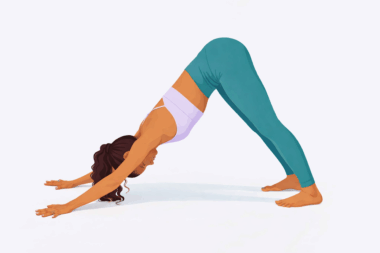
A variety of poses can be performed in chair yoga, targeting different muscle groups and enhancing flexibility. For instance, seated forward bends engage the back, while seated spinal twists help with detoxification and digestion. Additionally, arm and leg stretches can improve circulation and stimulate energy flow throughout the body. Practitioners can also include breathing exercises, known as pranayama, to complement physical movements and promote relaxation. Simple deep breathing techniques can reduce stress and encourage present-moment awareness. Moreover, simplified versions of popular poses like Downward Dog and Warrior can be performed while seated, making them proficient options for maintaining fitness. Instructors often provide modifications to ensure participants can engage fully without discomfort. This inclusive approach creates a sense of community among practitioners and fosters encouragement among participants. These adjustments allow individuals who might feel shy or unsure about their capabilities to reap the rewards of yoga. As more people discover the empowering nature of chair yoga, it is likely to gain even greater acceptance in the wider yoga landscape.
Chair Yoga for Seniors
Chair yoga has become a popular practice among seniors, as it addresses their unique needs and limitations. Many older adults face mobility issues, making traditional yoga daunting and inaccessible. However, chair yoga enables seniors to engage in safe movements that promote physical health without risking injury. The accessibility helps bolster independence and confidence, allowing them to remain active participants in their wellness journeys. Group classes also foster social connections, reducing feelings of isolation often experienced in later years. Participating in a group setting encourages shared experiences and camaraderie among attendees. Furthermore, certified instructors typically understand the specific needs of older populations, designing classes that focus on balance, coordination, and targeted strengthening exercises. This can lead to improved agility and stability, ultimately reducing the risk of falls. With consistent practice, seniors can enjoy more freedom of movement in their daily lives. It’s essential to foster environments where seniors feel supported and encouraged as they embark on or continue their yoga journey. Overall, chair yoga has a transformative effect on the lives of seniors, promoting health and vitality.
Creating a suitable environment for chair yoga is essential to maximize benefits. Spaces should be bright, airy, and free from distractions, allowing practitioners to focus wholly on their movements. Adequate seating is crucial; ideally, chairs should be sturdy, preferably without arms, to facilitate easy transitions between poses. Adding props such as yoga blocks or straps can enhance support and deepen stretches without strain. Practitioners should wear comfortable clothing that permits free movement, as constrictive garments can hinder practice. Moreover, maintaining a calm atmosphere contributes to a positive experience, with soothing music or natural sounds promoting relaxation. Classes often begin with gentle warm-ups to prepare the body and mind for movement. Incorporating gratitude and intention setting into practice is common, inviting a mindful approach to each session. Encouraging self-reflection fosters a stronger connection between the practitioner and their body. Regular feedback from participants can help instructors tailor sessions to the group’s needs, ensuring everyone benefits. As chair yoga grows in popularity, such considerations can further enhance its reach, maximizing its impact across different communities.
Conclusion and Encouragement for Practice
In conclusion, chair yoga offers a transformative means of making yoga accessible to individuals of all ages and abilities. As an adaptable practice, it allows everyone to experience the myriad benefits of yoga in their own unique way. Those who engage in chair yoga find themselves forging deeper connections with their bodies, minds, and overall well-being. Practitioners report improvements in flexibility, strength, and vitality, all contributing to an enriched quality of life. Whether practiced independently or in a group, the sense of community and support further enhances the experience. Encouraging friends, family, and community members to explore chair yoga can help dissolve barriers to physical activity. Not only is chair yoga enjoyable, but it cultivates resilience and empowerment throughout its practice. Furthermore, the positive mental health benefits enable participants to tackle daily challenges with renewed vigor. As more individuals recognize the importance of inclusion in fitness, chair yoga will continue gaining momentum. It’s essential for everyone to realize that it’s never too late to start practicing yoga. Any effort made towards this journey, regardless of age or ability, contributes significantly to healthy living.
Incorporating chair yoga into daily routines presents an opportunity for regular movement, allowing individuals to prioritize their well-being. Setting aside time for even a few minutes of practice can yield significant results. Embracing a consistent routine encourages lifelong wellness habits. Additionally, sharing the joy of chair yoga with others can amplify motivation and accountability. Informing loved ones about local classes or digital resources can spark interest and promote engagement. Social media has become a fantastic platform for sharing experiences and inspiring others to explore chair yoga. Simple challenges, such as inviting friends to a weekly chair yoga session, can foster camaraderie. Such initiatives ultimately support personal growth and encourage continued practice. By championing chair yoga in communities, practitioners contribute to a more inclusive fitness landscape, transforming lives one gentle pose at a time. Regardless of age or fitness level, everyone deserves the chance to enhance their physical and mental well-being through accessible practices like chair yoga. Ultimately, it’s about making room for movement and self-care in daily life.