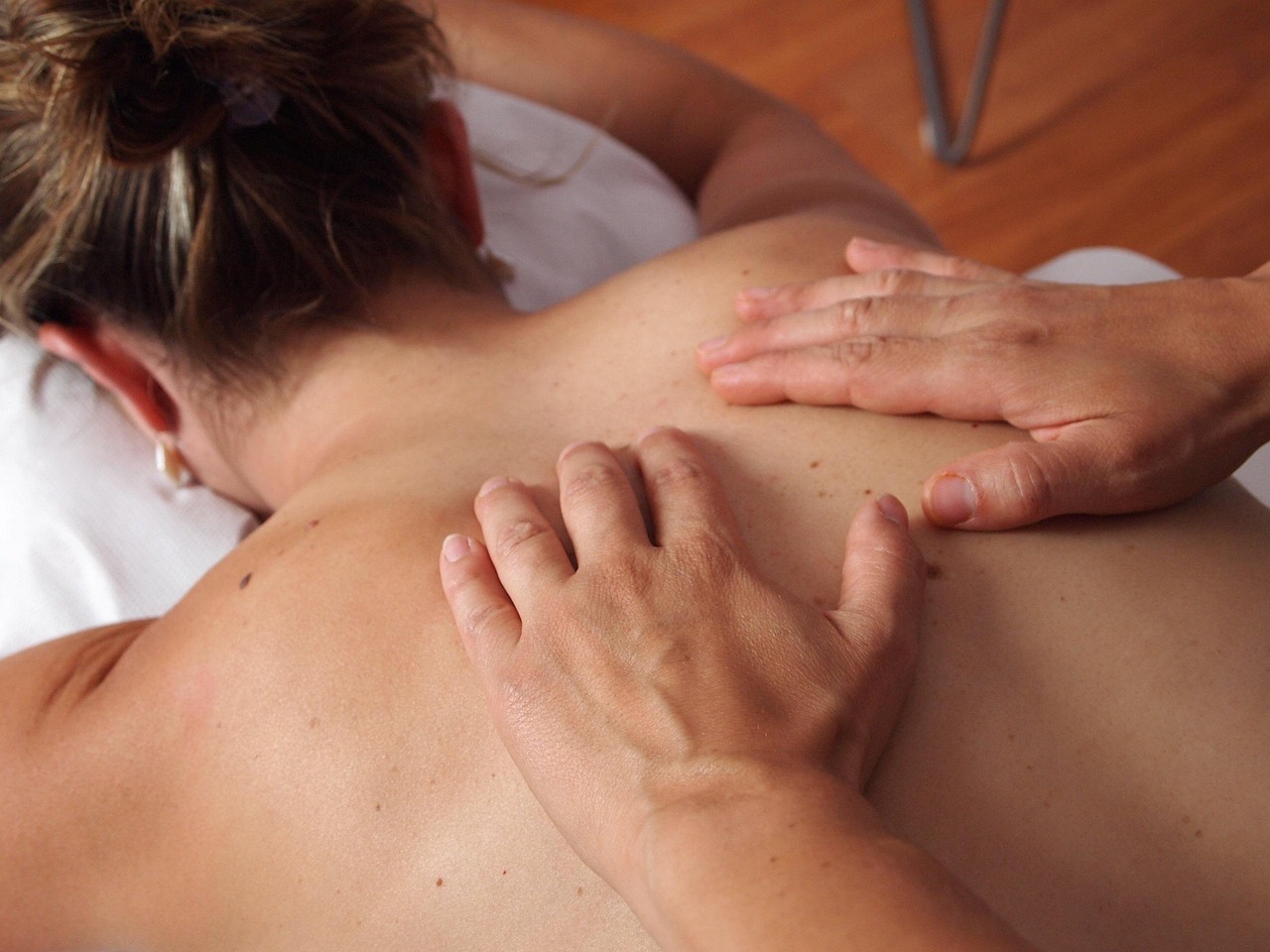

Top 5 Massage Techniques to Prevent Workout Injuries
Understanding the importance of injury prevention in fitness is essential. Implementing effective massage techniques can significantly reduce the likelihood of injuries during workouts. Massage therapy enhances circulation and flexibility, which helps to prepare muscles for the physical strains of exercise. By incorporating specific massage methods, athletes can enjoy a more resilient body and shortened recovery times. Among the key benefits of these massage techniques is the increased range of motion, which allows for improved performance and decreased tension. Selectively targeting muscle groups pre- and post-workout leads to better outcomes than neglecting such practices. Therefore, it becomes vital for athletes and fitness enthusiasts to familiarize themselves with various massage techniques. These range from general relaxation massages to severe deep tissue work, each tailored for distinct needs and purposes. Ultimately, investing time in learning these techniques fosters longevity in training and better physical health overall. Whether at home or with a professional, utilizing them can greatly assist in injury risk minimization and improved recovery.
One highly effective massage technique is the Swedish massage, which focuses on overall relaxation while easing muscle tension. This method employs long, flowing strokes that encourage blood flow and lymphatic drainage. The gentle pressure applied helps decrease anxiety levels and promotes a sense of wellbeing, making it ideal for athletes after high-intensity workouts. By enabling body relaxation, Swedish massage facilitates the recovery of sore, tired muscles. Additionally, it can enhance power and endurance for future workouts thanks to improved circulation. Incorporating Swedish techniques as part of your fitness program contributes to better emotional and physical health. Simple strokes can be performed on your own or with a partner, making this technique accessible. It is key to choose a comfortable environment where deep breathing can happen easily, encouraging complete relaxation. While commonly known for stress relief and mental health benefits, the Swedish technique also boosts muscle flexibility and range of motion, essential for optimal athletic performance. Therefore, it stands as a cornerstone of many athletes’ recovery routines, helping to ward off injuries efficiently.
Deep Tissue Massage
For athletes experiencing more chronic pain or muscle tightness, deep tissue massage proves invaluable. This technique targets deeper layers of muscle and connective tissue, working to alleviate tension accumulated through intense physical activity. By focusing on specific areas of discomfort, therapists can work the muscle fibers and fascia to release knots. Consequently, deep tissue massages effectively improve blood circulation, relieving pain while promoting flexibility. Athletes are likely to find that the incorporation of deep tissue work into their regimen can lead to greater performance gains over time. It’s essential to communicate clearly with your therapist regarding any discomfort experienced during the session, as pressure can be intense. Allowing time to rest post-massage is vital, as muscles need to recover from the manipulation. Regularly incorporating deep tissue techniques can ward off injuries by ensuring muscles remain supple and ready to perform. Furthermore, individuals often report improved recovery times when utilizing this method, making it an optimal addition to pre- and post-workout care.
Trigger point therapy serves as another technique valuable for injury prevention and muscle recovery. This respected procedure targets localized areas of muscle spasm and tension known as trigger points. Throughout workouts, repetitive movements can create these spots, resulting in referred pain elsewhere in the body. Trigger point therapy aims to release these tight bands by applying localized pressure, which encourages healing and improves flexibility. Athletes benefit immensely from relieving these built-up tensions, enhancing performance through improved movement patterns and reduced information. Understanding how to locate trigger points can empower individuals to address issues before they escalate into injuries. Additionally, this therapy improves circulation to injured areas, allowing nutrients to nourish tissues effectively, expediting the recovery process. Athletes should incorporate trigger point therapy into a comprehensive approach that incorporates stretches and strengthening exercises. This combination equips them with well-rounded strategies to prevent injury and maintain peak performance. As such, trigger point therapy remains an essential tool in the arsenal of recovery.
Foam Rolling
Another popular massage technique for injury prevention and recovery is foam rolling. This self-myofascial release tool effectively aids in loosening tight muscles, thereby alleviating soreness and stiffness after workouts. Athletes often report enhanced flexibility and range of motion following consistent foam rolling sessions. The rolling action applies pressure to sore areas, promoting blood flow and aiding in the removal of metabolic waste. Incorporating foam rolling into warm-up and cool-down routines proves beneficial for readiness and recovery. While it may initially feel uncomfortable, developing a routine can lead to increased pliability and reduced injury chances over time. Additionally, learning proper techniques and foam rolling specific muscle groups effectively allows individuals to personalize their approach. For those who find traditional massage techniques inaccessible or expensive, foam rolling offers a cost-effective at-home solution. Athletes can target various body parts, such as quadriceps, hamstrings, and calves, leading to greater overall recovery and performance enhancement. Overall, foam rolling stands as an invaluable tool in injury prevention and robust recovery for fitness enthusiasts.
Myofascial release presents another effective massage approach worth exploring for injury prevention and recovery. This technique, counter to many traditional massage forms, focuses on the fascia, the connective tissue surrounding and supporting muscles. By applying gentle sustained pressure, practitioners aim to ease restrictions within the fascia, promoting overall tension release. Enhanced circulation and improved muscle flexibility occur as a result, contributing to increased performance. Also, myofascial release can directly address pain stemming from chronic injuries that conventional methods might overlook. With the ideal combination of patience and persistence, athletes may experience profound and long-lasting relief from discomfort through this technique. Myofascial release can be combined with other forms of massage for a more comprehensive recovery strategy. Taking time to regularly engage in this type of bodywork amplifies its effectiveness, gradually improving mobility and reducing the risk of training injuries. Therefore, myofascial release remains a crucial option for athletes committed to maintaining optimal physical condition while enjoying the benefits of structured recovery strategies.
Conclusion and Recommendations
Every athlete should incorporate preventive massage techniques into their routines to mitigate workout injuries. Each approach offers unique benefits, ensuring that diverse needs are met in the journey towards peak physical performance. Selecting a few preferred techniques suited to individual preferences can create a balanced recovery strategy. Whether focusing on relaxation through Swedish massages or alleviating deep knots with deep tissue techniques, the priority remains clear—injury prevention. Regularly indulging in these methods yields improved flexibility, reduced pain, and heightened overall wellbeing. Furthermore, exploring alternatives like foam rolling and myofascial release expands athletes’ injury prevention toolkit. Consistent application of these techniques, combined with proper warm-up and cooldown protocols, will reinforce a solid foundation for sustainable workouts. Lastly, always consult a professional when necessary to personalize approaches according to specific needs. By remaining proactive in reducing injury risks, athletes can enjoy increased longevity in their chosen sports and activities.
Ultimately, adopting these massage techniques leads to a healthier, more resilient body. Following guidance from trained therapists enhances their effectiveness, aligning recovery practices with training goals. Athletes should view massage not merely as a luxury but as an integral component of their training regimens. Consequently, establishing a massage routine becomes invaluable for ongoing physical success and enjoyment of sports. Making informed choices ensures that recovery is both targeted and beneficial, highlighting the link between proper self-care practices and injury prevention. With commitment, athletes can foster improved physical conditions that permit continued exploration of their physical limits safely and joyfully.