
The Science Behind Yoga and Seasonal Flexibility Gains
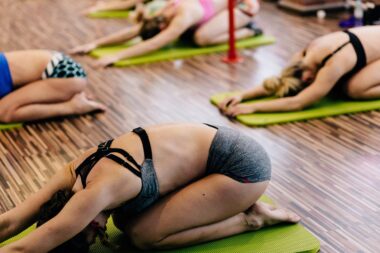
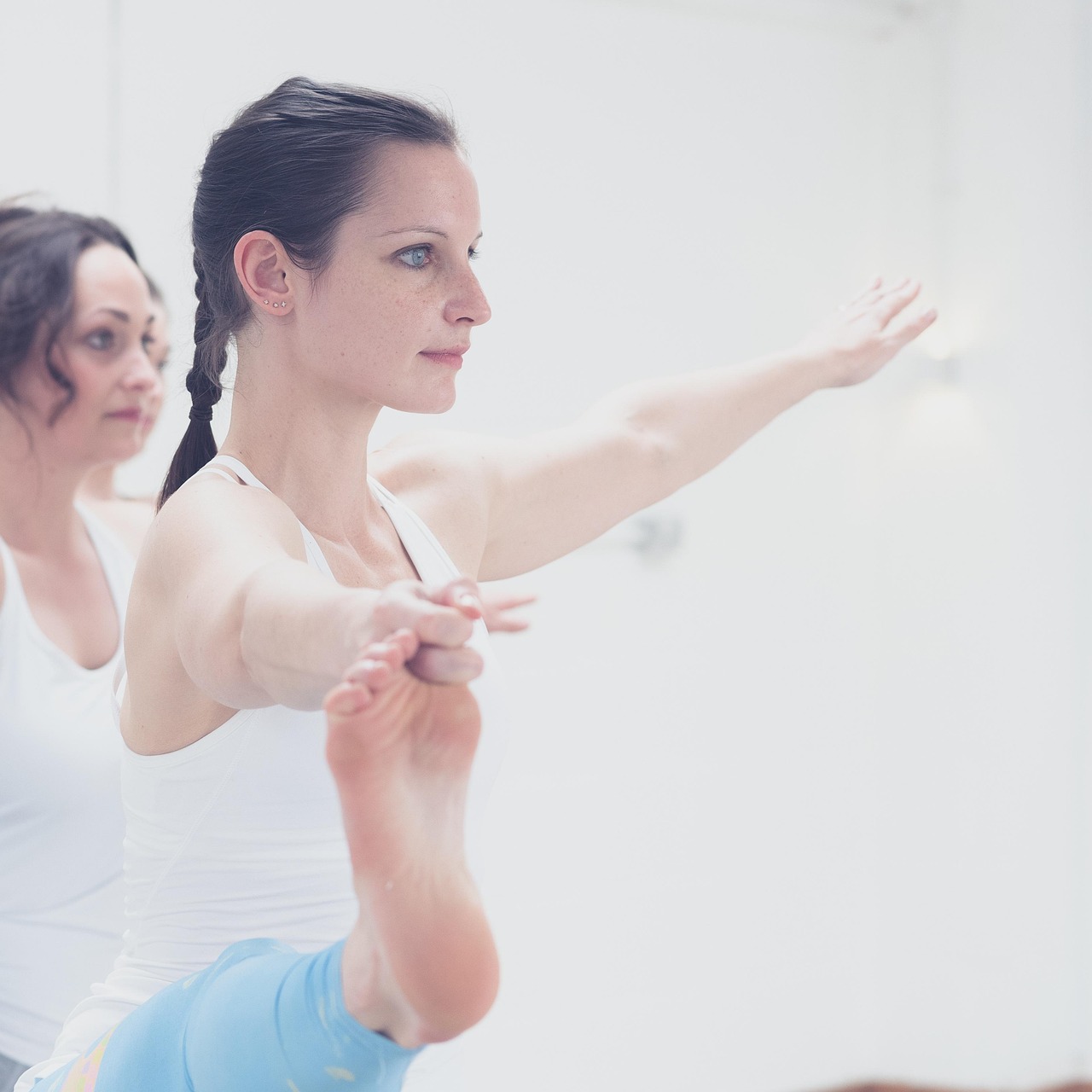
Yoga has gained popularity for its remarkable ability to enhance flexibility and promote overall wellness. This practice aligns physical postures with mindful breathing, creating a holistic approach to fitness. Flexibility is not merely about stretching; it’s also about improving the range of motion in our joints and musculature. During seasonal transitions, our bodies undergo changes, and incorporating yoga into our routine can significantly alleviate these seasonal stressors. Scientific research shows that engaging in regular yoga can lead to measurable improvements in flexibility, attributed to the pulling and releasing of muscle fibers. While every season presents unique challenges, yoga offers a pathway to adapt and thrive. Studies have shown that participants who practiced yoga reported better flexibility levels over time, particularly focusing on dynamic stretching techniques. For those looking to enhance their workout routine, yoga is an exceptional choice. It reduces stress, increases blood circulation, and fosters mental clarity. In essence, adding yoga into seasonal fitness regimens is essential for holistic well-being. Everyone, regardless of fitness level, can find benefits in implementing yoga into their lifestyle.
The physiological changes our bodies face during seasonal transitions can be quite evident. Therefore, understanding how yoga aids flexibility becomes crucial. When faced with changing weather, our muscles may tense, leading to decreased flexibility. However, consistent yoga practice counteracts these effects by promoting relaxation and elongation. There are many styles of yoga, each with its focus and benefits. Hatha yoga emphasizes physical postures and is excellent for beginners aiming to improve flexibility safely. Vinyasa focuses on movement and breath synchronization, creating a flow that can build strength while enhancing flexibility. For those seeking a deeper experience, Iyengar yoga focuses on precise alignment and longer-held poses, allowing for deeper stretching. Each style can significantly impact flexibility and adaptability. Moreover, yoga fosters mindfulness, teaching practitioners to listen to their bodies and honor their limits. As we progress through different seasons, our bodies’ needs evolve. Integrating yoga into our fitness routine can help us adapt and thrive amidst these changes, ensuring a healthier lifestyle throughout the year. When practiced regularly, you may notice improvements not only in your physical capabilities but also in your mental fortitude.
Practical Yoga Techniques for Flexibility
To harness the full potential of yoga for flexibility, certain techniques can be incorporated into your practice. One effective method is using props such as blocks, straps, and bolsters. These tools can assist in achieving correct alignment and deeper stretches that promote flexibility. For instance, yoga blocks can support various poses, particularly when your body requires assistance in maintaining proper form. Additionally, practicing poses like Downward Dog and Forward Bend will intensely stretch the hamstrings, calves, and spine. These postures challenge your body while enhancing flexibility incrementally. Furthermore, implementing dynamic stretching before yoga sessions can warm up your muscles, preparing them for deeper stretching. Another valuable practice is holding stretches passively. Holding certain poses for an extended period can gradually lengthen muscles and connective tissue. It’s crucial, however, to listen to your body’s limits and avoid pushing too hard, as muscle strain can occur. With these practical techniques, you can effectively cultivate flexibility through your yoga practice. Regularly incorporating these methods into your routine can yield significant results over time, leading to enhanced mobility during different seasons.
The role of breath in yoga cannot be overlooked, especially regarding flexibility. Controlled breathing techniques serve as a foundational element within yoga practices. Breathing deeply allows muscles to soften and relax, creating space for better movement. This connection between breath and movement not only enhances flexibility but also improves concentration and mindfulness during practice. Practicing the Ujjayi breath, often referred to as “victorious breath,” helps to maintain focus while engaging in challenging poses. This type of breathing can also create warmth in the body, preparing the muscles to stretch further. Engaging your core during poses ensures stability, facilitating deeper flexibility gains. Moreover, mindfulness can be cultivated through meditation practices in yoga, enhancing your overall experience. Reflecting on your physical sensations while practicing allows you to develop a deeper understanding of your body’s unique needs. Thus, integrating breathing exercises and mindful practices into yoga sessions can lead to enhanced flexibility and body awareness. This holistic approach helps practitioners experience seasonal flexibility gains, keeping their bodies vital and responsive to the demands of changing environments.
The Impact of Seasonal Changes on Flexibility
Seasonal changes can significantly impact our flexibility and physical performance. As temperatures drop, many experience tighter muscles and joints, which may lead to discomfort. Conversely, warmer weather tends to offer more fluid movement. Thus, understanding these fluctuations can aid in optimizing a yoga practice. During colder months, it becomes essential to incorporate more warming practices to combat stiffness. Gentle heating yoga styles, like Yang yoga, are ideal for maintaining flexibility and warding off cold-induced tightness. Staying hydrated is equally crucial during these transitional phases, as proper hydration supports muscle elasticity. Seasonal allergies might also compromise physical activity, but yoga helps ease respiratory symptoms, thereby enhancing exercise capacity. Therefore, adapting your practice based on seasonal demands ensures consistency in your flexibility training. Keeping a varied routine allows your body to respond effectively to external conditions. Think about alternating restorative poses with energizing flows depending on the season. By integrating seasonal considerations into your fitness plans, you can maintain and enhance your flexibility throughout the year, preventing injury while enhancing overall well-being.
Furthermore, community participation in yoga can also be an essential element in supporting flexibility during the seasons. Joining group classes or workshops creates a sense of accountability and encouragement. Often, the shared experiences can inspire you to practice consistently, even when the weather changes. In many places, studios offer specialty seasonal classes, which focus on specific challenges and workouts relevant to the time of year. Engaging with others in your community increases motivation and enjoyment while practicing yoga. Exploring outdoor classes during warmer months can be invigorating, allowing participants to connect with nature, and enhance their practice. Seasonal changes bring about varied energy levels and commitments, making community support essential for remaining consistent with yoga practice. Additionally, utilizing online yoga platforms can serve as a flexible alternative, particularly during hectic seasonal transitions. These platforms provide an array of classes suitable for various levels, keeping your routine fresh and interesting. Ultimately, fostering connections and community around yoga offers not only physical benefits but also social and emotional support, which enhances overall flexibility and well-being throughout the changing seasons.
Conclusion: Seasonal Yoga for Lasting Flexibility
In conclusion, embracing yoga as a year-round practice offers countless benefits, particularly in achieving seasonal flexibility. By understanding the science behind yoga and integrating practical techniques into your routine, you can vastly improve your flexibility over time. Seasonal changes are vital reminders of the body’s need to adapt and remain responsive. Through breath control, mindfulness, and the strategic use of props, flexibility can be cultivated and maintained. Remember that one size does not fit all, so personalizing your practice to suit seasonal demands will yield the best results. As your flexibility flourishes, you may find it enhances other areas of your life, from stress management to physical health. Moreover, community involvement in yoga can provide additional motivation, fostering social ties that support your practice. Lastly, establishing a mindful approach to seasonal changes in flexibility can enrich your overall experience. Embrace these seasonal fluctuations and create a consistent yoga regimen that aligns with your lifestyle. By doing so, you ensure that your flexibility gains are lasting and significantly improve your quality of life throughout the year.
Ultimately, the science behind yoga and its relationship to seasonal flexibility gains encapsulates the journey toward holistic wellness. By understanding your body’s needs during each season, recognizing the importance of various yoga styles, and actively participating in your community, you can navigate the challenges and reap the rewards of a flexible, resilient body. Incorporating these strategies helps cultivate not only physical flexibility but also mental clarity, emotional stability, and an overall improved quality of life. Adapt your routine, embrace change, and thrive throughout the seasons with a mindful, committed yoga practice.