
Solo Travel Retreats Focused on Fitness and Wellness
Solo travel is an invigorating experience, providing the chance to unwind and focus on personal wellbeing. With solo fitness retreats becoming increasingly popular, travelers can engage in activities that improve both physical and mental health. These specialized retreats focus on fitness and wellness in serene environments, allowing participants to reconnect with nature and themselves. Exploring breathtaking landscapes while participating in yoga or hiking enhances one’s physical fitness. Options range from meditation sessions to high-intensity workouts, ensuring every participant finds something appealing. The beauty of these retreats lies in their ability to provide both structure and flexibility. Many resorts offer customizable schedules, allowing travelers to pick activities that suit their preferences. Detox diets, spa treatments, and even wellness workshops often compliment fitness routines, enriching the overall experience. Additionally, newfound friends from around the world often share enriching stories and experiences. This supportive atmosphere fosters motivation and commitment to health goals. Those considering a solo retreat focused on fitness should research various locales, ensuring they select a destination offering the activities and ambiance that align with their wellness objectives.
For effective solo travel retreats centered around fitness and wellness, choosing the right destination is crucial. Ideal locales often blend tranquil settings with various activities suited for individual preferences. From the mountains of Colorado to the beaches of Bali, locations provide diverse opportunities for relaxation and fitness. Nature-based settings typically include hiking trails, stunning beaches, and yoga studios immersed in lush greenery. Researching options can be beneficial: many retreats emphasize unique offerings such as meditation, healthy cooking classes, and fitness challenges. When traveling solo, it is important to ensure safety and community. Retreats that foster group environments often help enhance the experience, allowing like-minded individuals to create lasting connections. Furthermore, many retreats focus on holistic wellness, integrating fitness routines with nutrition and mental health practices. Participants leave each retreat with both physical gains and emotional enrichments. Safety remains a priority; check reviews and testimonials before selecting a destination. Adequate research about the programs offered will help in curating an experience tailored specifically to fitness aspirations. Potential travelers are encouraged to reach out to previous attendees for their insights before committing to a retreat.
Types of Activities Available at Fitness Retreats
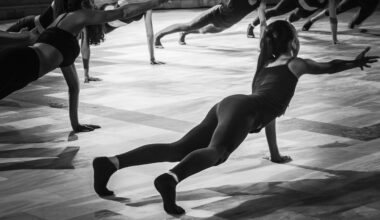
Fitness-focused solo travel retreats offer an array of activities designed to cater to varied interests. From strength training sessions to restorative yoga practices, there’s something for everyone. For those seeking an energy boost, high-octane group classes, such as cycling and cardio kickboxing, provide exciting ways to stay in shape. Alternatively, restorative fitness approaches like Tai Chi or Pilates promote flexibility and balance. Outdoor activities are often included, introducing unique ways to experience the surrounding nature. Hiking, kayaking, and rock climbing offer cardiovascular benefits while engaging with breathtaking views. Meditation and mindfulness sessions smoothly integrate into the itinerary, ensuring a holistic approach to wellness. Beyond group classes, many retreats allow for personal time, where participants can explore independently or participate in outside excursions. Individualized attention frequently manifests through one-on-one coaching sessions, promoting personalized fitness journeys. Furthermore, many retreats include nutrition workshops to enhance knowledge regarding healthy eating. This combination of physical fitness and nutritional education maximizes the benefits of wellness travel. Solo travelers pursuing fitness goals can benefit immensely from diverse activities available, tailoring their experience for optimal results.
The environment of a fitness retreat often significantly influences participants’ experience. A serene atmosphere can elevate one’s motivation and relaxation, promoting an ideal backdrop for wellness endeavors. Retreats are typically located in peaceful surroundings, from tropical beaches to scenic mountains, fostering tranquility. These natural settings encourage a deeper connection with the outdoors. The use of natural light, fresh air, and the soothing sounds of nature complement fitness activities. The design of retreat facilities usually emphasizes comfort, aesthetic appeal, and functionality. Comfortable accommodations help unwinding after an invigorating day’s activities. Dining facilities often prioritize healthy, locally-sourced meals and cater to various dietary needs, further enhancing a holistic approach to wellness. Self-care amenities such as spas, saunas, and hot tubs enhance relaxation and recovery post-exercise. Amid nature’s beauty, participants develop a sense of mindful living, making it easier to focus on personal goals. A supportive community composed of fellow travelers encourages accountability and fosters friendships along the journey. This communal atmosphere helps to elevate the retreat experience, and returning home, participants can find it easier to maintain the newfound Wellness practices imbibed during their stay.
Importance of Nutrition in Fitness Retreats
Nutrition plays a pivotal role in the effectiveness of fitness-centered retreats, complementing physical activities and promoting health benefits. Eating nutritious meals enhances focus during workouts and supports recovery processes, allowing travelers to maximize benefits from their fitness regimes. Many retreats prioritize healthy dining options, crafting menus filled with organic, whole foods that nourish the body. Local ingredients often come into play, enhancing flavors and ensuring meals are fresh. Nutritional workshops are increasingly integral to these retreats, providing valuable information about meal planning and proper fueling techniques. Participants gain insights into balanced diets, portion sizes, and snack ideas that align with their fitness goals. Establishing healthy eating habits is emphasized, particularly for those who may struggle with nutrition at home. Cooking classes additionally empower individuals to recreate nutritious meals upon returning home. Understanding nutritional needs ultimately aids in maintaining progress and fostering a positive relationship with food. Whether focusing on weight loss, muscle building, or general wellness, nutrition is vital to supporting fitness objectives. Lastly, a culture of healthy eating at retreats can inspire individuals to adopt sustainable habits into their daily lives post-retreat, optimizing long-term benefits.
Flexibility in scheduling is another boasting element of many fitness retreats, catering to solo travelers’ diverse needs. Individuals may prefer distinct schedules depending on their fitness level or personal goals. The option to engage in multiple activities offers personalized fitness experiences. Some may wish to indulge in intensive workouts while balancing restorative practices for mindfulness like yoga or meditation. Most retreats offer early morning classes, allowing participants to engage in energizing sessions before a day of exploration begins. Midday downtime often allows for personal reflection or self-care. Some may prefer afternoon classes as a way to boost energy during the day. Evening options may include community gatherings focused on wellness education and discussions. This flexibility in routine encourages participants not to feel overwhelmed; rather, it promotes individual empowerment to optimize health journeys. Customized experience is paramount for many attending retreats. This allows both fitness and wellness goals to intertwine seamlessly into every day. Active engagement with wellness practices often enables solo travelers to redefine their understanding of fitness holistically. Individuals often depart with newfound knowledge and skills to incorporate into their daily routines long after returning home.
Conclusion: Embracing the Journey of Wellness
In conclusion, solo travel retreats focused on fitness and wellness present an extraordinary opportunity for personal growth. Participants embark on journeys emphasizing physical fitness while promoting mental and emotional well-being. Through diverse activities and robust nutritional education, individuals are equipped with tools necessary for lifelong health transformations. The supportive atmosphere fostered during retreats encourages accountability and camaraderie, creating lasting connections and friendships. Unique experiences in serene natural settings elevate the motivation to maintain newly-formed habits. By participating in fitness retreats, solo travelers not only achieve their health goals but also experience personal transformations that influence various areas of life. As individuals immerse themselves in empowering environments, they are reminded of the importance of prioritizing self-care and wellness. Each journey undertaken contributes to a larger narrative of health and vitality, making fitness retreats a worthwhile investment. Travelers often return home with renewed vigor, determination, and actionable strategies to continue their wellness journeys. Embracing this journey ultimately empowers participants to cultivate healthier lifestyles, fostering a sense of satisfaction and balance long after their time at the retreat concludes.
Embracing the benefits of solo fitness retreats ultimately paves the way for accelerated personal growth, higher energy levels, and a clearer mindset.