
Pilates Safety Tips for Athletes Cross-Training
When athletes integrate Pilates into their training regimen, safety should always be a priority. Adequate preparation is essential prior to beginning any exercise. Warm up your body to increase blood flow and reduce the risk of injuries. Incorporate dynamic stretches, and do not hesitate to take your time to avoid feeling rushed. Establish clear sequences in your training to help everyone understand the movements involved. This consistency can make a difference in execution and safety while practicing Pilates. A valuable suggestion is to listen to your body; pay attention to any discomfort or pain you may experience during Pilates sessions. It is essential that you do not push through sharp pain. Instead, learn appropriate modifications to exercises as necessary to accommodate your specific fitness level. Focus on quality over quantity; performing fewer repetitions with perfect form is often better than completing many repetitions incorrectly. Also, seek help from a certified Pilates instructor; guidance from trained professionals can significantly enhance your safety while practicing. Taking these precautions will help ensure a positive and beneficial Pilates experience that complements your overall athletic training goals.
Maintain proper hydration before and during Pilates sessions. The body requires adequate fluids to function optimally, especially when engaging in exercise. Also, ensure that your Pilates environment is suitable for a safe workout. Make sure the area is clean, well-lit, and free of obstacles that may pose a risk of falling or injury. Using appropriate equipment is important; ensure that your mat is non-slip and in good condition to avoid unnecessary injuries. Additionally, use props when necessary, but be sure they are stable and properly positioned to prevent accidents. Clothing also plays an important role in safety; wear form-fitted clothing that allows for a full range of motion. Avoid wearing baggy clothes as they can get caught on equipment. Another critical aspect is to engage in mindfulness practices such as focusing on your breath and movements, which helps to enhance your mind-body connection. This mental focus can improve performance as well as safety during Pilates exercises. Remember to give yourself rest days between intense workouts. Recovery time is vital for muscle repair and overall safety as you commit to your cross-training routine.
Listen to Your Body
Listening to your body is one of the most effective safety tips for practicing Pilates as an athlete. By tuning into your body’s signals, you can determine when to push harder and when to hold back. Be aware of any tension or discomfort that arises during your sessions; these signals are important indicators to help you decide if you should modify or stop an exercise. Always remember that it’s normal to feel some muscle soreness, but sharp or chronic pain should not be ignored. Should you encounter discomfort during a routine, pause and assess your position and technique. Adjust your form or opt for modifications as needed. Sometimes, what might seem like a simple discomfort can lead to a significant injury if not addressed early on. You can also keep a training journal to track specific movements, feelings, and any pain sensations as you progress. This practice not only aids in self-awareness but also helps identify patterns over time, ensuring a safer Pilates experience. It’s crucial to note that everyone’s body responds differently, so personalized routines are vital for optimum safety.
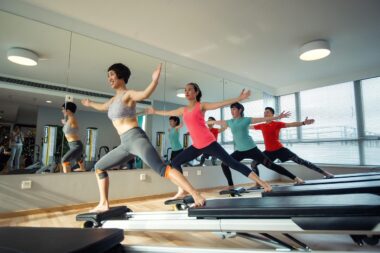
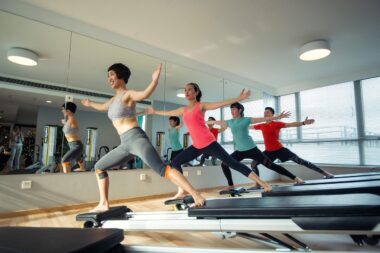
Cross-training can be immensely beneficial, but implementing a well-rounded approach is the key to doing it safely. Set realistic goals for what you want to achieve through Pilates and your overall training. Overtraining can lead to injuries, burnout, and diminished performance. Your body requires time to adapt to new exercises; incorporating gradual changes will yield better results and maintain safety. Allow time to master each Pilates movement before advancing to more challenging variations. Many athletes make the mistake of moving too quickly through their routines. Also, consider practicing Pilates under supervision when first starting. A professional can guide you through the correct postures, breathing techniques, and alignment, reducing the risk of injury. Furthermore, working with an experienced instructor allows an opportunity for feedback and adjustments that improve your practice. Video courses or online resources can supplement in-person training, but they should not be the sole education tool. Having a spotter or workout partner during exercises can also offer additional safety. Engaging in small group classes provides both learning experiences and social support that encourages both safety and personal growth.
Utilize Pilates Principles
Implementing the fundamental principles of Pilates significantly contributes to your safety while training. These core principles include concentration, control, centering, precision, breath, and flow. Understanding these concepts allows for better movement efficiency and injury prevention. Concentration involves directing your mind to focus on the movements; this mindfulness enhances technique and effectiveness while reducing accidents. Control emphasizes maintaining stability throughout the exercise, ensuring you stay secure in every position. Centering refers to the consistent engagement of your core, which is vital for overall stability. Precision is about executing movements accurately while avoiding bad habits that may lead to injuries. Effective breath control helps support movement; practice inhaling and exhaling in sync with exercises for optimum blood flow oxygenation. Lastly, flow entails performing each movement smoothly to maintain rhythm and reduce the risk of jarring motions that could potentially cause injury. Incorporating these principles into your practice encourages not only safety but advanced skill development as well. Emphasizing these foundational aspects assists athletes in attaining synergy between body and mind, optimizing their overall integration of Pilates into their training routines.
Recovery practices also play an essential role in ensuring safety during Pilates, particularly when cross-training. Prioritize proper post-workout care, including stretching and cool-down exercises to aid muscle recovery. This is vital for mobility and to alleviate potential soreness after intense workouts. Techniques such as foam rolling can help release muscle tension and improve blood flow after exercising. In addition to physical recovery, mental recovery is equally significant. Engaging in relaxation techniques such as meditation or deep-breathing exercises can reduce stress and improve overall well-being. This attention to both the physical and psychological aspects of recovery leads to a balanced approach to training, positively impacting the performance in other athletic endeavors, including Pilates. Nutrition plays an integral role in recovery as well; consuming a balanced diet rich in proteins, carbohydrates, healthy fats, vitamins, and minerals can significantly elevate your recovery experience. Stay mindful of hydration levels as well, as hydration is key in facilitating muscle recovery and reducing fatigue. Listening to your body post-workout sets a foundation for sustainable practices across all exercise modalities.
Conclusion
In conclusion, Pilates can be an invaluable component of an athlete’s cross-training program when practiced safely and mindfully. As you embark on your Pilates journey, always prioritize your safety by implementing these tips and techniques. Remember to listen attentively to your body, maintain proper hydration, set realistic goals, and respect the fundamental principles of Pilates. Proper preparation, consistent practice, and recovery are also paramount to ensuring a positive experience. Whether it’s through attending classes, working with a certified trainer, or practicing solo, consistently focusing on safety will yield beneficial results. Engaging in Pilates can enhance core strength, flexibility, and overall athleticism, leading to improved performance across various sports. It is crucial, however, to balance enthusiasm with caution, fostering an environment where you can thrive while preventing injury. Always approach your training with the mindset of learning and growing. With a thoughtful approach to Pilates, you can enjoy all the benefits it brings while maintaining a strong commitment to safety. Embrace this rewarding practice and allow it to complement your athletic routine for sustainable success.
Lastly, taking advantage of community and support networks can enhance your Pilates experience while ensuring your safety. Join local Pilates classes or online forums where athletes share experiences, tips, and ideas. Engaging with others can provide additional motivation and create a sense of accountability, reinforcing your commitment to safe practices. Additionally, group classes often allow instructors to give real-time feedback, which is crucial for learning proper techniques and mechanics. Sharing your journey with others who have similar goals can promote a shared environment of learning and improvement. Utilizing resources provided by fellow athletes allows you to expand your knowledge while ensuring you benefit from collective experiences. Lastly, maintaining communication with healthcare professionals, physical therapists, or trainers can also help ensure you’re on the right path. Consulting these experts about your training can prevent injuries and promote a balanced approach to cross-training. This supportive network fosters a safe environment in which Pilates fits seamlessly alongside your other athletic endeavors. Building a community promotes safety, enhances the learning experience, and reinforces your commitment to excellence as you engage in your Pilates practice.