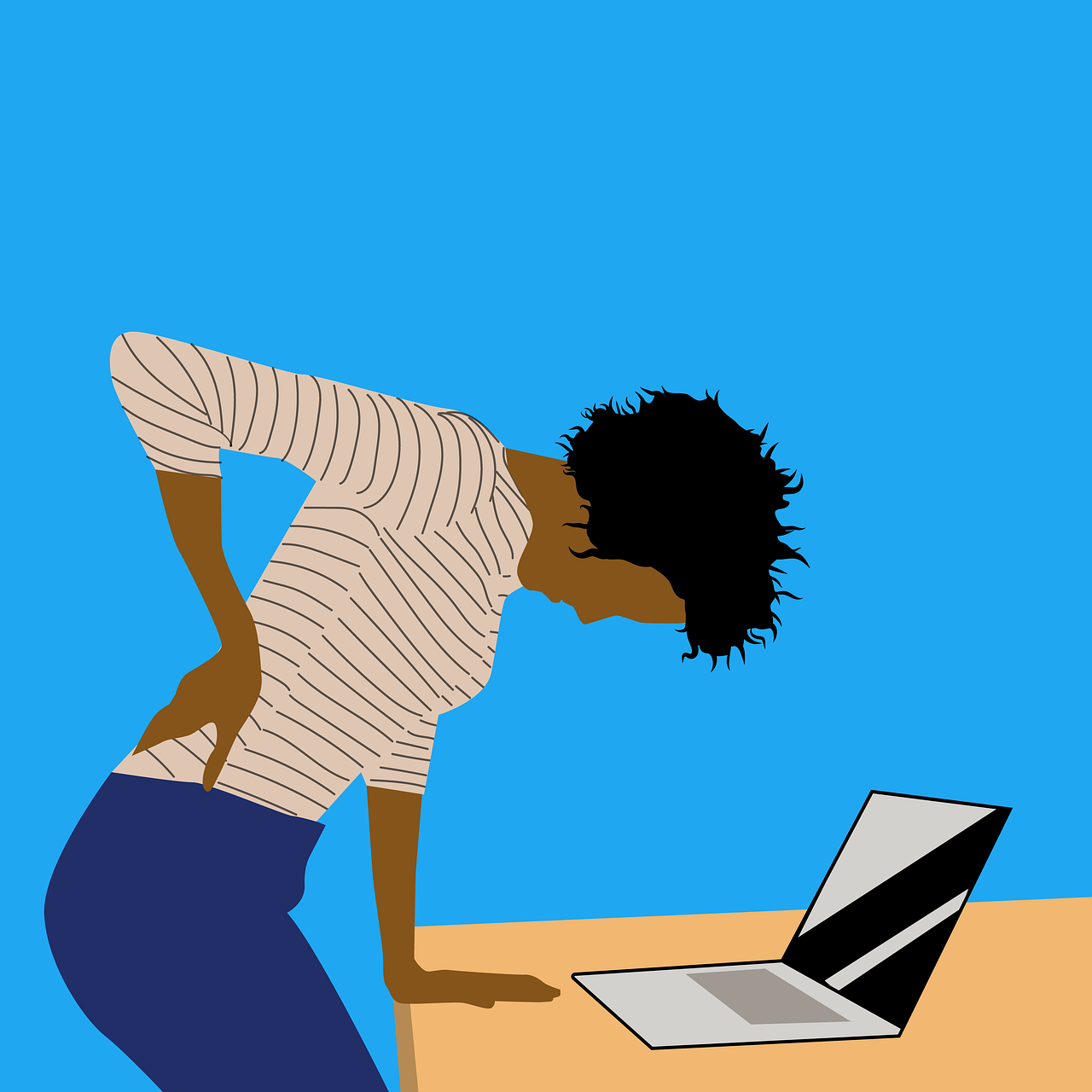

Improving Spine Mobility for Desk Workers: Tips and Tricks
Spine mobility is crucial for desk workers, as prolonged sitting often leads to stiffness and discomfort. Regularly practicing movements that enhance flexibility can prevent these issues. Incorporating simple exercises into your daily routine is essential for maintaining a healthy spine. Start with gentle stretches that target the lower back and neck. It’s important to focus on proper form during exercises to avoid injury. You can also integrate dynamic movements such as twists and side bends to promote circulation. Using a standing desk can help mitigate the risks associated with prolonged sitting. Changing your position frequently helps maintain flexibility in the spine. During breaks, take time to walk around and reset your posture, allowing muscle relaxation and improved blood flow. Consider dedicating a few minutes each hour to perform stretching exercises. This will not only improve mobility but also enhance focus and productivity throughout the day. Developing a habit of prioritizing spine health will ultimately contribute to a better physical well-being. Remember, small adjustments can lead to significant improvements in how the body feels and functions while working at a desk.
Desk ergonomics plays a vital role in supporting spine mobility and overall health. Choosing the right chair that provides lumbar support is critical. Adjust the chair height to keep your feet flat on the ground, promoting even weight distribution. Align your computer screen to eye level, reducing strain on your neck and back muscles. Regularly alternating between sitting and standing practices can dramatically improve spinal health. While seated, try to position your hips slightly higher than your knees. This encourages a natural curve in your lumbar spine. Incorporating supportive cushions can make a notable difference in comfort. Also, consider using a footrest to improve your posture while sitting. Adjusting your workstation to fit your needs can help alleviate tension and prevent discomfort during long periods of computer use. Regular walks during breaks can rejuvenate your body and clear your mind. Simple stretches at your desk, like neck rotations and shoulder rolls, can effectively relieve tightness. Ultimately, understanding ergonomics will empower you to maintain your spine’s integrity while working in a desk-bound environment.
Implementing mindful practices during your workday can have a profound impact on spine mobility. Focus on how you’re seated, consciously aligning your spine throughout the day. Take a moment to perform deep breathing exercises that can also relax your back muscles. Mindfulness techniques, coupled with physical exercises, can help you become more aware of your posture. Rather than just going through the motions, allow yourself time to listen to what your body is telling you. Frequent check-ins can reveal tight spots that require attention. Consider integrating yoga or gentle stretching routines into your morning schedule. This will prepare your body for the day ahead, enhancing your spine’s flexibility. Make sure to maintain hydration while working, as proper hydration significantly affects muscle function. You may explore utilizing resources such as online workout videos dedicated to spinal health. Participating in these can create a sense of community while you gain valuable insights. Consistency is key; practice these techniques regularly to see lasting results. Ultimately, being mindful of your spine health will contribute to improved mobility and comfort while working at your desk.
The Importance of Warm-up and Cool-down
Including both warm-up and cool-down routines in your daily activities can greatly enhance spine mobility. Warm-up exercises help prepare your muscles before a working session, reducing the risk of injuries. Simple movements like arm circles, neck stretches, and torso twists can be effective. Gradually increasing your range of motion enables your body to adapt to movements throughout the day. A cool-down routine, on the other hand, helps in releasing tension after prolonged sitting or standing. Stretching the back, sides, and torso effectively relaxes the muscles. Incorporate deep breathing during your cool-down routine to help with recovery and stress reduction. You can perform a few gentle yoga poses such as cat-cow or child’s pose to improve flexibility. Be sure to listen to your body and avoid pushing beyond your comfort zone. Each individual’s flexibility will vary, so take note of your limits. Additionally, keeping a regular schedule for these routines can help establish a lasting habit. Over time, consistency will lead to improvements in your spinal mobility, feeling better while working long hours at your desk.
Using props and tools during your routine can significantly benefit spine mobility and flexibility for desk workers. A foam roller is excellent for relieving muscle tension in the back and promoting blood flow. Spend a few minutes rolling out the lower back and upper back areas to help alleviate stiffness. Resistance bands can be handy for adding variety to your stretching routine. They allow for gradual increases in flexibility without overexerting yourself. Incorporate them in shoulder and torso stretches and improve range in various positions. Stability balls also serve as a fun alternative to traditional chairs, promoting active sitting and engagement of core muscles. They encourage subtle movements that help keep the spine aligned. Yoga blocks can provide assistance in deeper stretches while maintaining proper form. These tools enhance your ability to perform sequences and release tension. Regularly utilizing such props can deepen your commitment to maintaining spine health. Think of them as an investment in your flexibility and mobility as a desk worker. You might find that incorporating these elements transforms your routine and elevates how your body feels during work hours.
Establishing a Routine
Creating a reliable routine focused on flexibility and mobility can set you on the path to improved spine health as a desk worker. Consistency is essential; aim to dedicate specific times each day for mobility activities. Incorporate at least 10-15 minutes of stretch and warm-up exercises each morning. This could evolve into a rewarding daily habit that enhances your performance both at work and in your personal life. Design segments throughout your workday to stand up and stretch. Use a timer to remind you every hour to take quick breaks. During these breaks, engage in simple movements, like forward bends or standing side stretches. Make it a social commitment; consider inviting colleagues to join you for stretches. This not only increases motivation but also creates a supportive and approachable atmosphere at work. Track your progress with a journal or a fitness app, allowing you to see the improvements over time. Remember, celebrating your small victories can keep you motivated. The more you develop your routine, the more natural it will feel, enhancing both your flexibility and overall well-being.
Finally, never underestimate the power of seeking professional guidance for improving spine mobility. Consider enrolling in classes or workshops focused on flexibility and mobility. Local gyms or community centers often offer yoga, pilates, or mobility classes designed for desk workers. Engaging with professionals who understand the physical demands of a sedentary job can provide tailored guidance to meet your specific needs. They can show you proper techniques for stretching and strengthening your back, minimizing injury risks. In addition, this interactive approach brings accountability to your journey toward better spinal health. The support from a professional can motivate you to invest time in your practice consistently. Online resources, including video tutorials, can also supplement your learning experience and allow you to practice at home. Explore various techniques that resonate with you, whether through guided classes or personal discovery. Ultimately, embracing a proactive approach towards your spinal health is the most impactful step you can take as a desk worker. The journey to improved spine mobility doesn’t need to feel daunting- begin with small regular efforts and watch the transformation unfold.
Implementing mindful practices during your workday can have a profound impact on spine mobility. Focus on how you’re seated, consciously aligning your spine throughout the day. Take a moment to perform deep breathing exercises that can also relax your back muscles. Mindfulness techniques, coupled with physical exercises, can help you become more aware of your posture. Rather than just going through the motions, allow yourself time to listen to what your body is telling you. Frequent check-ins can reveal tight spots that require attention. Consider integrating yoga or gentle stretching routines into your morning schedule. This will prepare your body for the day ahead, enhancing your spine’s flexibility. Make sure to maintain hydration while working, as proper hydration significantly affects muscle function. You may explore utilizing resources such as online workout videos dedicated to spinal health. Participating in these can create a sense of community while you gain valuable insights. Consistency is key; practice these techniques regularly to see lasting results. Ultimately, being mindful of your spine health will contribute to improved mobility and comfort while working at your desk.