
Impact of Sedentary Lifestyle on Bone Density and How Exercise Can Help
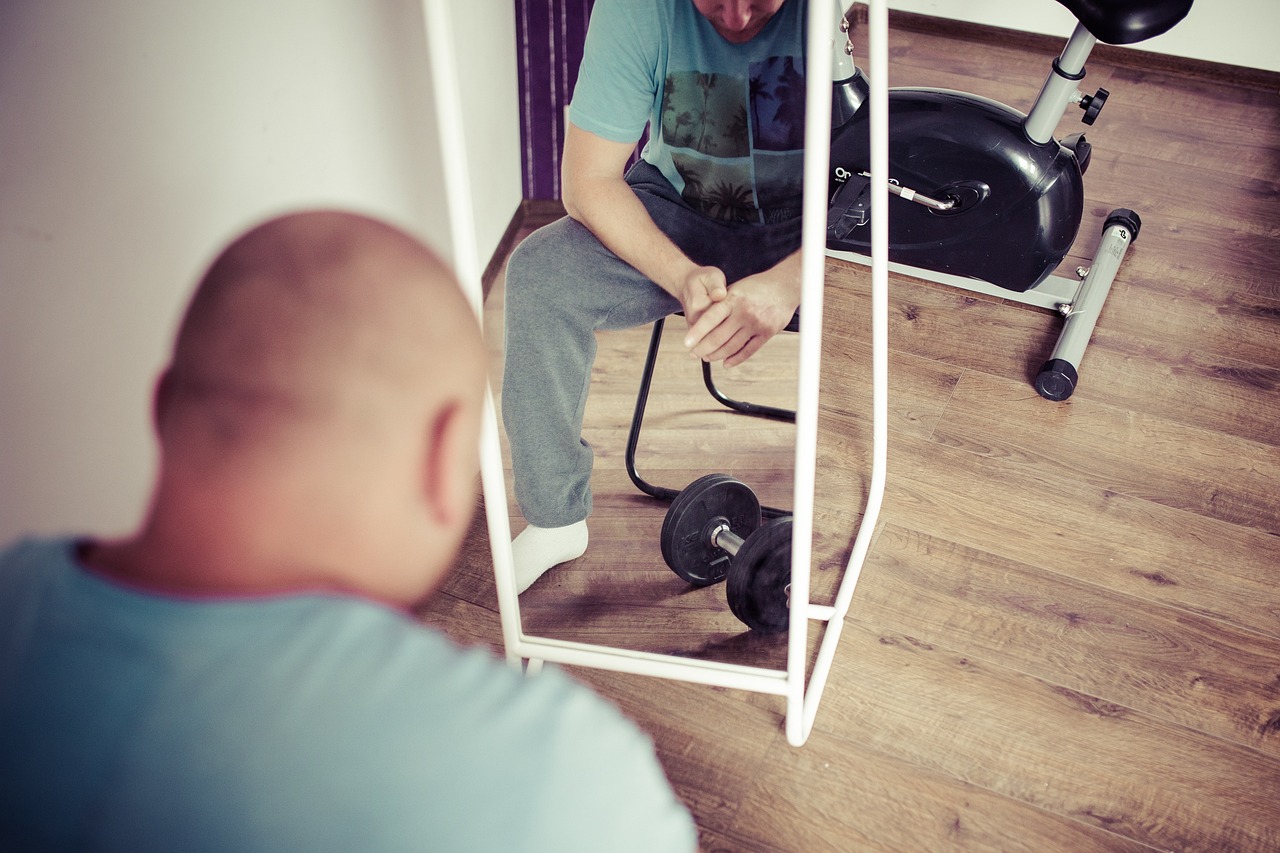
In today’s modern society, many individuals lead a largely sedentary lifestyle predominantly due to the rise of technology and related convenience. Sedentary behavior, which encompasses activities such as prolonged sitting or lying down while engaging in minimal physical activity, is linked to diminished bone health, particularly in adults. This lack of movement decreases the impactful forces on bones that stimulate their strength and density. Moreover, the relationship between physical activity and bone density is well-researched, establishing that consistent exercise is crucial in maintaining bone mass throughout life. Osteoporosis affects millions, leading to brittle bones and increased fracture risk as people age. Engaging in regular exercise enhances muscle strength, which in turn, contributes to bone density improvement. As weight-bearing activities are essential to bone health, it is vital for individuals to incorporate such exercises into their routines. Notably, weight training, walking, jogging, and other resistance exercises represent effective strategies for bone health preservation. Awareness regarding the negative effects of inactivity might motivate individuals to adopt more active habits, which will enormously enhance their overall well-being and longevity.
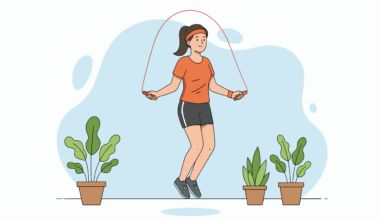
Resistance training is particularly significant for enhancing bone density. This form of exercise presents unique advantages that can positively impact bone health. By incorporating resistance activities at least twice a week, individuals encourage bone strengthening. Not only does resistance training build muscle mass, but it also promotes significant stress on the bones. This stress is crucial as it signals the bones to adapt and strengthen. Activities such as squats, lunges, and push-ups effectively stimulate the remodeling process inherent in bone density maintenance. Furthermore, mixing high-impact exercises like jumping, skipping, or playing sports can also enhance the benefits. However, it is essential for individuals to consult healthcare providers before beginning a new exercise regimen, particularly those with pre-existing conditions or concerns about bone health. A trained professional can construct a personalized and effective exercise plan tailored to individual needs, ensuring a gradual increase in intensity and duration. Therefore, balancing resistance training and high-impact activities provides an optimal approach to improving bone health, ultimately reinforcing the necessity of an active lifestyle for long-term vitality.
Another significant factor to consider is nutrition, which plays an integral role in bone health. Consuming a balanced diet rich in calcium and vitamin D is paramount for supporting bone density and overall health. Calcium, being the primary mineral found in bones, is essential for maintaining their structure and strength. Adults should aim to meet the daily recommended intake of calcium, approximately 1,000 mg daily. Foods like dairy products, leafy greens, nuts, and fortified foods are excellent sources of calcium. Meanwhile, vitamin D aids calcium absorption and regulates bone metabolism. Specific foods such as fatty fish, egg yolks, and fortified cereals can help fulfill vitamin D requirements. Moreover, individuals are encouraged to spend adequate time in sunlight as the body naturally synthesizes vitamin D from sun exposure. A comprehensive approach combining a nutritious diet and regular exercise will provide individuals with optimal bone health. Hence, it is essential to be aware of this synergy while planning healthy habits. Developing a well-rounded approach to physical health ensures that bones remain strong and resilient against age-related wear and tear, reducing the risk of debilitating conditions like osteoporosis.
It is imperative to highlight the importance of balancing sedentary activities with exercise throughout the day. While dedicated workout sessions are beneficial, breaking up long periods of sitting is equally crucial. Integrating physical movement into everyday routines can significantly contribute to bone health. Simple adjustments such as standing during calls, taking short walking breaks every hour, or utilizing staircases instead of elevators can collectively boost daily activity levels. Furthermore, incorporating moderate physical activities such as gardening, home cleaning, or recreational sports fosters a more active lifestyle. Additionally, utilizing fitness trackers and apps can serve as motivational tools to encourage individuals to remain active. These tools monitor daily steps, fuel competition, and foster accountability among peers. The goal is to achieve at least 150 minutes of moderate-intensity exercise weekly, combined with muscle-strengthening activities at least twice weekly. This balanced approach acknowledges the significance of maintaining physical activity while reducing sedentary behavior. *Therefore, it is essential to cultivate a routine that not only incorporates structured exercise but also promotes active living throughout the day, safeguarding bone health and overall quality of life.*
Understanding the Correlation Between Activity Levels and Osteoporosis Risk
In understanding the relationship between activity levels and osteoporosis risk, substantial research illustrates that low levels of physical activity contribute significantly to increased morbidity in older populations. Osteoporosis reduces bone mineral density, resulting in fragile bones, which raise fracture risks. Individuals who do not engage in regular exercise expose themselves to worsening bone health conditions that might significantly impact their quality of life. A sedentary lifestyle leads not only to weakened bones but also to comorbid conditions such as obesity, cardiovascular diseases, and diabetes, negatively affecting overall health outcomes. Recent studies indicate that people engaging in at least three hours of moderate exercise weekly have a notable reduction in chances of developing osteoporosis compared to their sedentary counterparts. Integrating weight-bearing and resistance training exercises into workout routines proves valuable in combating bone density loss. Overall, adopting an active lifestyle, which includes both aerobic and strength-training exercises, equips individuals with better chances of maintaining robust bone health as they age. Educating communities about these potential health risks and preventive measures is vital in encouraging a healthier lifestyle that prioritizes movement and exercise to combat sedentary dangers.
Older adults, particularly postmenopausal women, are considered more susceptible to decreased bone density due to hormonal changes. These women experience hormonal shifts profoundly affecting calcium absorption and bone restoration capabilities, leading to an elevated risk of osteoporosis. Consequently, it is crucial to address women’s health by emphasizing the importance of physical exercise alongside nutrition. Engaging in regular exercise not only mitigates bone health decline but also supports emotional and mental well-being. *Women are often encouraged to explore group exercise settings, fostering relationship-building through shared activities that promote engagement and motivation.* Beyond the physical transformation, social interaction can enhance motivation, providing additional health benefits through enhanced mood and reduced feelings of isolation. Local community fitness programs targeting older adults create a supportive environment designed to facilitate access to resources that promote an active lifestyle. By focusing on unique exercise needs through modifications, community initiatives, and educational workshops, older women can feel empowered to prioritize their physical health. This leads to favorable outcomes in bone density preservation. Undoubtedly, engaging older women in exercise programs while fostering support helps reduce future complications related to bone health.
Creating Sustainable Exercise Habits for Bone Health
Building sustainable exercise habits can effectively transform overall health and particularly enhance bone density among varying age groups. Establishing a sustainable routine begins with setting realistic goals achievable over time rather than adopting an extreme, short-term focus. Crafting a schedule that includes a mix of aerobic activities, resistance training, and flexibility exercises is key to ensuring a comprehensive fitness approach that benefits skeletal health. Aiming for gradual increases in intensity and frequency creates a more natural adaptation process for both the body and mind. Individuals should aim to incorporate enjoyable activities, leading to enhanced adherence to workouts. Choosing enjoyable exercises serves a dual purpose; it positively impacts mental health while simultaneously promoting engagement. Examples of enjoyable activities that promote bone health include team sports, dance classes, hiking trails, or low-impact aerobics. Moreover, potential barriers such as time constraints can be addressed creatively, permitting flexibility in workout locations and durations. *Setting up exercise challenges or buddy systems can further enhance motivation, creating communal support for sustainable habits.* Consequently, building effective exercise habits yields lifetimes of benefits, establishing a solid foundation for durable bone health and longevity.
In conclusion, addressing the risks associated with a sedentary lifestyle is crucial in preventing bone density decline. Despite technological advancements and lifestyle shifts contributing to increased sedentarism, proactive measures can significantly counteract its impact. Regular exercise tailored to individual needs, combined with proper nutrition, translates to a multifaceted approach in maintaining bone health. Resistance training coupled with dietary awareness provides individuals with the means to cultivate substantial improvements in bone density throughout life. Encouraging a community-driven initiative that promotes exercise programs fosters widespread awareness regarding the importance of physical activity. Educational campaigns focusing on the risks of inactivity can empower communities, enhancing their commitment to active living. It is essential to instill healthy habits from a young age and continue throughout adulthood to protect skeletal integrity. Ultimately, individual choices play a pivotal role in determining personal health trajectories. Fostering active lifestyles reduces osteoporosis risk, declines in overall health, and enhances longevity. Through a calculated focus on exercise and altered habits, communities can assure their well-being, resilience, and quality of life. Recognizing the importance of balanced routines allows individuals to thrive over time, enabling better outcomes for their bone health and overall vitality.