
How to Use Technology to Identify Warning Signs in Exercise Regimens
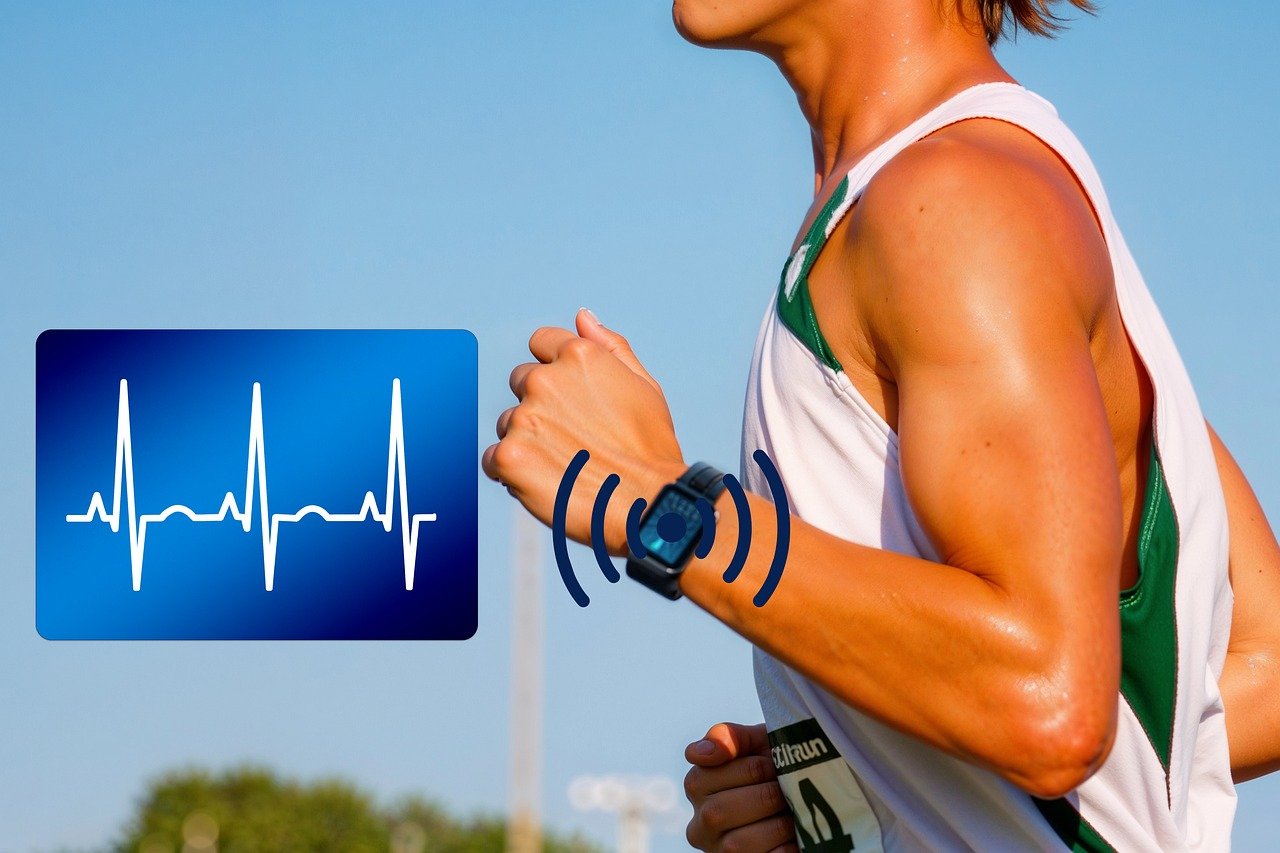
Many individuals engage in exercise regimens intending to improve their health and fitness levels. However, it is crucial to monitor progress accurately to identify early warning signs of potential problems. One effective way to achieve this is by utilizing technology. With various devices available today, such as smart fitness trackers and mobile applications, monitoring one’s fitness is more accessible than ever before. These devices track metrics like heart rate, calories burned, and activity levels, providing instantaneous feedback. Additionally, they help set personalized fitness goals based on individual health data. For instance, some wearables can provide insights into sleep patterns, which when linked to exercise routines reveal correlations between rest and performance. By paying attention to these metrics, users can identify early indications of overtraining or excessive fatigue. This early detection can significantly prevent injuries and ensure that training remains both effective and enjoyable. Depending on the device, real-time alerts may be sent to the user, prompting them to reassess their workout intensity. As a result, the integration of technology facilitates ongoing adjustments to an exercise regimen that enhances performance and overall well-being.
While technology is an essential tool for tracking exercise metrics, interpreting this data is equally vital in identifying warning signs. The information collected from devices needs context to be useful. For example, if a fitness tracker indicates that your heart rate is consistently elevated during workouts, it could suggest that your body is experiencing unnecessary stress. To make sense of such data, users should familiarize themselves with their personal fitness baselines and norms. Furthermore, having a dedicated app that logs past workouts can provide insight into patterns and trends over time. Such thorough tracking allows individuals to discern whether specific exercises are beneficial or detrimental to their well-being. If you notice dips in performance or increasing fatigue, these could be signals to rest or modify your approach. Utilizing platforms that allow for data comparison, such as community features in fitness trackers, can also help to set realistic benchmarks and understand what is typical in similar populations. By interpreting data in context and sharing experiences with peers or professionals, individuals become more adept at identifying concerning signs within their fitness regimens. Overall, the combination of technology and thoughtful analysis yields better fitness outcomes.
Integrating Apps and Wearables for Comprehensive Monitoring
With the surge of mobile fitness applications available today, integrating various technology types has never been simpler. These apps can work together with wearables to provide a comprehensive overview of an individual’s health and fitness levels. By syncing these tools, users gain better insights into how their diet and exercise affect their overall health. For instance, applications like MyFitnessPal track food intake while simultaneously logging exercise data from a smartwatch. This sync creates a detailed metabolic picture that can showcase whether the individual is in a calorie deficit or surplus. Additionally, mood tracking features available in many apps allow users to identify emotional correlations with physical activity, which can hint at stressors affecting performance. Wearable technology has advanced to include heart rate variability tracking and hydration reminders, enabling additional layers of monitoring. Using such multi-faceted approaches builds a holistic understanding of personal fitness, acting as an early warning system. When anomalies appear—such as an unusually high resting heart rate or low energy levels—a notification can prompt an immediate assessment. This level of interaction ensures users stay attuned to their bodies, optimizing their exercise regimens while mitigating risks to their health.
The role of artificial intelligence in fitness has emerged as a groundbreaking advancement in technology-driven exercise monitoring. AI can analyze vast amounts of data to offer tailored recommendations for users based on their performance and health metrics. For instance, wearable technology embedded with AI can adjust workout recommendations dynamically, taking into account fatigue levels and previous exercise intensities. Moreover, AI can help predict potential injuries by analyzing users’ workout patterns, offering warnings to take preventive measures. Such predictive capabilities allow individuals to adjust their activities, either by changing the type of exercise or incorporating rest days more strategically to avoid overtraining. An example includes systems that can recommend specific stretches or recovery activities to alleviate tension recognized from previous workouts. Furthermore, smart workout coaches powered by AI can provide feedback during training sessions, such as correcting form to prevent injuries. This proactive approach not only enhances the workout experience but also cultivates a safer environment in which individuals can exercise. As a result, harnessing AI-driven technology greatly enriches the process of tracking progress, ultimately leading to more adaptable and safer exercise regimens. Keeping individuals engaged in their fitness journeys effectively prevents plateauing and burnout.
Establishing Regular Check-Ins for Motivation
Incorporating regular check-ins into an exercise routine significantly enhances motivation and helps with the identification of early warning signs. Apps are designed to remind users to log their workouts, offer reflections on personal goals, and monitor emotional responses to fitness activities. These check-ins can utilize prompts such as mood surveys or progress assessments allowing for the collection of valuable data over time. When users engage in reflective practices, they can notice variations in their energy levels, motivation, or pain sensations that are associated with certain workouts. Using this data, individuals can schedule adjustments in their plans, which may involve altering intensity or changing workout formats. Furthermore, those participating in group fitness can discuss their progress during team sessions and share experiences of overcoming challenges. This data-sharing fosters accountability and strengthens community ties, making it easier to stay on track with fitness goals. Regular check-ins serve as a vital tool for gauging not only physical capacity but also emotional resilience, empowering users to proactively maintain their health. Additionally, by sharing progress with others, individuals can find camaraderie in their fitness journeys and support, further enhancing their commitment.
Monitoring nutritional intake alongside exercise is pivotal in identifying warning signs during any fitness regimen. Studies have shown that dietary habits greatly influence performance and recovery. Technology plays a key role here too, with apps capable of tracking not only calories but also macronutrients and micronutrients consumed throughout the day. By regularly documenting what you eat, you can review whether your diet supports your training adequately. Certain nutrients, such as protein and omega-3 fatty acids, are crucial for muscle recovery and inflammation management. If there’s a trend of inadequate nutritional intake, it becomes challenging not only to perform well but also significantly increases the risk of injuries. Additionally, working with registered dietitians or nutritionists who utilize technology can enhance accountability, bringing a professional perspective into the mix. Some apps now allow users to input specific guidelines from their nutritionist or dietitian so that monitoring becomes straightforward. When you begin to adjust your caloric or nutrient intake based on the data analyzed, it creates changes that can ultimately help avoid burnout and fatigue. By understanding more about the synergy between nutrition and exercise, individuals can make well-informed decisions about their health.
Utilizing Social Features for Enhanced Accountability
Technology’s social features create opportunities for users to connect with their peers can enhance motivation as well. Many fitness apps offer community forums, challenges, or features that allow individuals to track workouts with friends. This interconnectedness can significantly contribute to sustained engagement, offering opportunities for feedback and warnings regarding workouts. When users celebrate their successes or share struggles, they create a culture of accountability that fosters commitment. Furthermore, some apps include competitive elements, such as leaderboards, motivating users to push their limits while ensuring they maintain safe practices. Relevant workout comparisons allow individuals to gauge where they stand and if adjustments are necessary. By participating in group challenges, users also benefit from external motivation, keeping them more likely to adhere to their workout routines. In turn, if warning signs arise, like excessive fatigue or performance drops, other community members can provide insights or feedback based on their own data. As friendships form around mutual fitness goals, users can lean on each other for support and advice, transforming fitness into a more collaborative journey. Embracing these community dynamics through technology can help alleviate feelings of isolation in the pursuit of health.
Regularly tapping into technological advancements provides a solid foundation for identifying early warning signs in exercise regimens. Consistently monitoring various physical metrics means individuals can catch red flags before they escalate into serious health issues. Utilizing apps to track not only physical activities but emotional states and dietary habits yields a wealth of data for informed decision-making. In tandem with social features, users feel a sense of camaraderie and support that often diminishes feelings of loneliness while engaging in personal fitness journeys. Importantly, customizing routines guided by analytics allows fitness enthusiasts to adapt their plans based on personal body feedback. As a result, individuals are more likely to experience enjoyable workouts without suffering from burnout or injury. In conclusion, incorporating these technology-based approaches within your exercise regimen ensures longevity in fitness practices. Identifying warning signs through various metrics acts as a preventive measure, enabling individuals to be proactive rather than reactive regarding their health and well-being. Anyone embarking on fitness routines should embrace technology as a valuable partner in promoting sustainable growth and avoiding pitfalls associated with rigorous training. The future of fitness lies in technology, paving the way for smarter and healthier exercise strategies.