
Understanding Foam Rollers in Swimming
Foam rollers have become an essential tool for swimmers, especially during warm-up and cool-down routines. They help improve blood circulation and flexibility, targeting muscle groups effectively. When used correctly, foam rollers can help release tension in tight muscles, which is crucial before and after swimming sessions. Swimmers should focus on key areas such as the calves, hamstrings, quadriceps, and shoulders. Using foam rollers provides a self-massage technique that enhances performance, allowing muscles to recover faster from strain. Many athletes incorporate foam rolling into their routine to prevent injury and improve overall ease of movement in the water. To maximize the benefits, swimmers should spend at least 10-15 minutes using the foam roller before jumping into the pool. The process not only prepares the muscles for the rigors of swimming but also mentally prepares athletes for their sessions. Proper techniques, such as slow rolling and targeting sore spots, should be practiced to reap full benefits. Ultimately, foam rollers contribute to achieving better swim times and overall enjoyment of the sport, making them a worthwhile investment for any swimmer.
Warm-Up Techniques with Foam Rollers
Before you dive into the water, warming up is crucial for optimal swimming performance. Utilizing foam rollers during warm-up helps to release tight muscles and enhances flexibility. Swimmers should prioritize rolling out major muscle groups like the back, shoulders, and legs. Start by rolling slowly over tight spots, pausing for several seconds to alleviate tension. Incorporating dynamic stretches after foam rolling ensures that the body is fully prepared for rigorous swimming activities. Recommended dynamic stretches include arm circles and leg swings. These movements can further enhance blood flow and promote joint function. Aim for a balanced approach, utilizing foam rolling for 10 minutes before engaging in dynamic stretches. Swimmers often find that their range of motion increases significantly, allowing for smoother and more efficient strokes. It’s important to breathe deeply during the foam rolling process, helping to release both physical and mental tension. This practice not only prepares the body physically but can also serve as a mental warm-up, promoting focus and concentration before entering the pool. Remember, a good warm-up is key to preventing injuries and enhancing overall performance in the water.
Foam Rolling Techniques for Swimmers
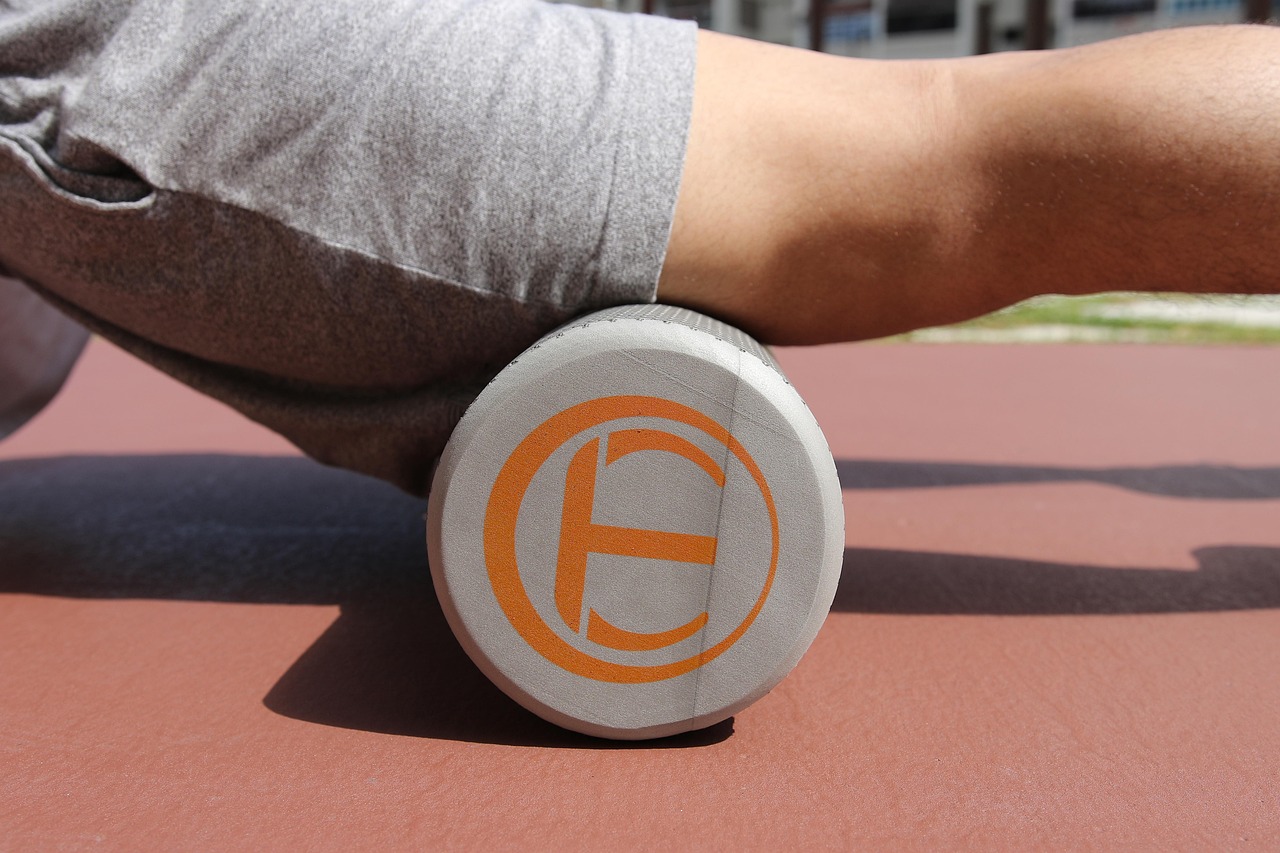
When using foam rollers, specific techniques can enhance their effectiveness. Start by identifying areas of tightness and discomfort, then focus on these spots. Rolling slowly allows muscles to relax and promotes fascia release, essential for mobility. A common technique involves using body weight to apply pressure on the roller, allowing it to roll over the muscle. For best results, maintain steady breathing, ensuring relaxation. Swimmers should consider varying the pressure applied; using less pressure can help with light soreness, while more intense pressure targets deeper muscle knots. Incorporate rolling movements in different directions to cover all angles of tight muscle groups. Repeating each movement for approximately 30 seconds ensures comprehensive muscle coverage. Areas of focus often include the upper back, lats, and hip flexors. Attention to these areas can enhance stroke technique and overall swimming efficiency. Athletes frequently report feeling looser and more agile after working through tension with rollers. This aids in both performance and recovery, especially after intense training sessions. Remember to hydrate post-foam rolling to support muscle recovery and to replace fluids lost during the session.
Post-Swim Recovery with Foam Rollers
Post-swim, foam rollers can enhance recovery and reduce muscle soreness. After an intense training session, muscles often feel fatigued and tight. By incorporating foam rolling into the cool-down phase, swimmers can accelerate their recovery process. Start by lightly rolling over muscles worked in the pool, beginning with the shoulders and progressively moving down the body to the legs and feet. Spend sufficient time on each area, approximately 30-60 seconds, to allow for effective muscle release. Additionally, alternating between rolling and static stretches can offer combined benefits—flexibility and tension relief. Post-swim, the focus should be on gentle movements, avoiding excessive pressure which may lead to discomfort. Hydration is another critical aspect, ensuring that the body is replenished after exercise. This practice helps restore energy levels and supports overall muscle recovery. Implementing regular foam rolling sessions as part of post-swim routines can lead to reduced lactic acid build-up and soreness, optimizing long-term performance. Swimmers keen on improving their recovery process should consider foam rolling as a simple yet effective tool in their toolkit.
Best Foam Rollers for Swimmers
Choosing the right foam roller is essential for achieving optimal results in warm-up and cool-down routines. Foam rollers come in various shapes, sizes, and densities, allowing swimmers to select the best one for their needs. Several factors should influence your choice, including firmness, texture, and portability. For beginners, a medium-density foam roller is often ideal, providing the necessary support without causing excessive discomfort. Textured rollers with ridges can intensify the massage sensation for athletes needing deeper tissue release. Additionally, swimmers should consider portable options if they wish to carry their essential equipment to different swimming venues. A compact, firm roller may be suitable for travel, ensuring consistent training routines regardless of location. Swimmers should also be aware of personal preferences; some may prefer softer rollers while others may find firmer options more effective. Purchasing foam rollers from reputable brands can provide assurances regarding quality and durability. Ultimately, investing in a suitable foam roller can significantly contribute to effective recovery practices and improved swim performance, representing an excellent addition to any swimmer’s training regimen.
Integrating Foam Rollers into Training Routines
To maximize the benefits of foam rolling, swimmers need to integrate this practice into their training routines consistently. This includes setting specific days dedicated to foam rolling, ensuring it becomes an ingrained part of their preparation and recovery process. Incorporating foam rollers after every swim session allows for effective maintenance of muscle health. Swimmers should develop a habit of taking time to assess their bodies; noticing areas of higher tension can guide them in their rolling sessions. Scheduling regular check-ins—both before and after swimming—facilitates a deeper awareness of varying muscle needs. Additionally, creating a checklist of targeted muscle groups can assist swimmers in establishing comprehensive routines. This approach may include calves, quads, and shoulders before exercising, while the focus may shift to back and hips afterward. Coaches can assist in developing foam rolling strategies tailored to individual athletes’ needs, enhancing both mental and physical readiness. Remember, consistent practice yields the best results in improving flexibility and performance, reinforcing the necessity of regular foam rolling during swimming workouts.
Conclusion: The Benefits of Foam Roller Use
Utilizing foam rollers during warm-up and cool-down is an indispensable practice for swimmers aiming to maximize performance. The benefits extend beyond simple recovery; regular foam rolling contributes to improved flexibility, reduced injury risk, and enhanced swim efficiency. Swimmers should approach their foam rolling routines with a mindset focused on exploration and adaptation. Together with proper techniques and targeted areas of focus, the advantages will become more apparent over time. Athletes are encouraged to document their experiences to identify what works best for their unique needs. As noted, hydration, proper training, and recovery play critical roles alongside effective foam rolling practices. By making foam rollers a staple in their training regimen, swimmers can attain greater adaptability within the water, resulting in optimized outcomes. Embracing this straightforward yet effective technique can redefine the way swimmers experience their workouts. In conclusion, swimming with controlled rolls can elevate every session performance while promoting healthy practices. Swimmers will find themselves more connected with their bodies, leading to improved results, greater enjoyment, and a sustained passion for the sport.
Regular integration of foam rollers solidifies their role as essential tools for swimmers.