
Best Circuit Training Equipment for Your Home Gym
Creating an effective circuit training environment at home requires the right equipment. A versatile home gym setup should incorporate essentials that allow for a full-body workout. Resistance bands, for instance, are lightweight and can be used for various exercises targeting multiple muscle groups. They come in different resistances, providing options to beginners and experts alike, making them a must-have. Additionally, consider adjustable dumbbells which save space and can be easily modified to fit different exercises. Kettlebells are also fantastic for dynamic moves such as swings and snatches, promoting strength while improving cardiovascular health. Stability balls can help enhance balance and core strength. They are excellent for performing crunches, squats, and even push-ups. Another valuable addition is a jump rope; it is perfect for warm-ups and improving agility. Lastly, invest in a quality mat to maximize comfort during floor exercises. Each piece complements your training while ensuring you meet your individual fitness goals in a circuit format, suitable for all skill levels.
As you consider your circuit training needs, another essential equipment to think about is a medicine ball. This versatile tool can be utilized in numerous ways to increase your strength and conditioning. Medicine balls are excellent for explosive moves like slams, core exercises, and balance training. Their weight can significantly enhance the intensity of your workouts, pushing you closer to your fitness targets. Additionally, a pull-up bar can be an excellent investment for strength training. It allows you to diversify your exercises and work on various muscle groups. Incorporating pull-ups and chin-ups into your routine can develop upper body strength significantly. Resistance machines, while often overlooked for home use, can also provide a tremendous advantage, especially for beginners seeking guidance on form and targeted exercise. Finally, don’t forget the importance of hydration during your workouts. Getting a quality reusable water bottle can help you stay motivated and hydrated. Refilling your bottle with water or electrolyte drinks throughout your circuit ensures you’re optimizing your performance and recovery.
Dumbbells and Kettlebells
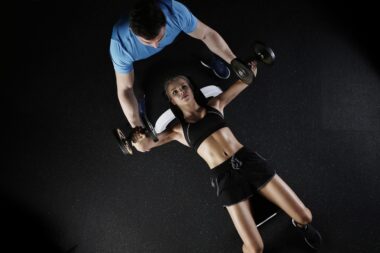
Dumbbells are crucial in circuit training routines as they provide excellent versatility in workouts. Select an appropriate weight to encourage muscle growth and endurance. The great advantage lies in their adaptability, allowing them to be used for compound exercises, isolation movements, or even cardio-focused workouts. Kettlebells add an element of dynamism, promoting not just strength but also engaging your core and enhancing explosive power. Concentrate on different styles of kettlebell exercises throughout your circuit, such as swings, Turkish get-ups, and cleans to achieve comprehensive physical benefits. Incorporating a combination of both weights into your circuit can provide unique workouts that simultaneously build muscle and improve cardiovascular fitness. As you progress, increasing the weight or changing the types of movements will continue to challenge your body. Developing a functioning circuit entails evaluating your fitness goals, determining the right dumbbell and kettlebell exercises to meet them effectively, and ensuring proper form throughout each movement for optimal results. Conclusively, these weights are paramount to achieving a successful home circuit training program.
Incorporating stability equipment, such as balance boards or Bosu balls, can enhance your circuit training routine significantly. Balancing enhances core stability while also improving strength and overall athletic performance. This equipment can be used for a variety of exercises that strengthen the legs, core, and even upper body depending on the design of your circuit. For instance, push-ups on a Bosu ball require more core engagement than regular push-ups, providing a greater challenge. Likewise, a balance board can be used to improve coordination while performing squats or lunges, offering additional muscle engagement. The unpredictability of using stability tools forces the body to adapt and strengthen stabilizing muscles that are often neglected in traditional workouts. Begin integrating stability equipment into your workout gradually, ensuring proper technique is followed to avoid injury. One effective approach is to alternate traditional exercises with stability drills to create a balanced routine that offers both challenges and rewards. This will ultimately benefit your overall fitness journey as you fine-tune your performance and achieve your desired results.
Cardio and Agility Tools
Jump ropes and agility ladders are invaluable when it comes to enhancing cardiovascular fitness in your home gym. Jumping rope is a high-intensity workout that can help improve endurance, coordination, and overall agility. It’s easy to incorporate into your circuit training routines as both a warm-up and a cool-down tool due to its versatility. Similarly, agility ladders can be invaluable for improving foot speed, coordination, and agility. They effectively boost your cardiovascular system while complementing strength training exercises within your circuit routine. Workouts can be fun, dynamic, and engaging when including drills with agility tools. These equipment options are space-conscious and can be used both indoors and outdoors, adapting brilliantly to your home gym setup and personalized circuit training. As you progress and fine-tune these elements into your workouts, remember that maintaining energy and proactively pushing boundaries can foster improved fitness levels. Diversifying your circuit with cardio elements is crucial for both physical performance and the mental aspect of maintaining interest every workout round.
Resistance bands deserve special mention due to their adaptability in circuit training. Unlike traditional weights, resistance bands offer variable resistance, making them suitable for different strength levels. They are perfect for both strengthening exercises as well as rehabilitation work, catering to every fitness journey. Moreover, bands are lightweight and portable, making them easy to store and transport when traveling. Incorporating these bands in various circuits can provide helpful versatility. Exercises like banded squats, rows, or shoulder presses can seamlessly fit into any workout routine. By altering the grip, tension, or angle, the resistance bands can challenge your muscles differently, sparking endless training variations. Precise controlled movements with bands can also play a pivotal role in injury prevention by allowing a better focus on form. This enhances muscle coordination, leading to better results overall. Furthermore, consider investing in bands with varying resistances to provide progressive overload, a crucial component for muscle growth. Finally, integrating resistance bands into your circuit workouts can elevate your fitness capabilities, yielding promising results in a relatively short period.
Setting Up Your Home Gym
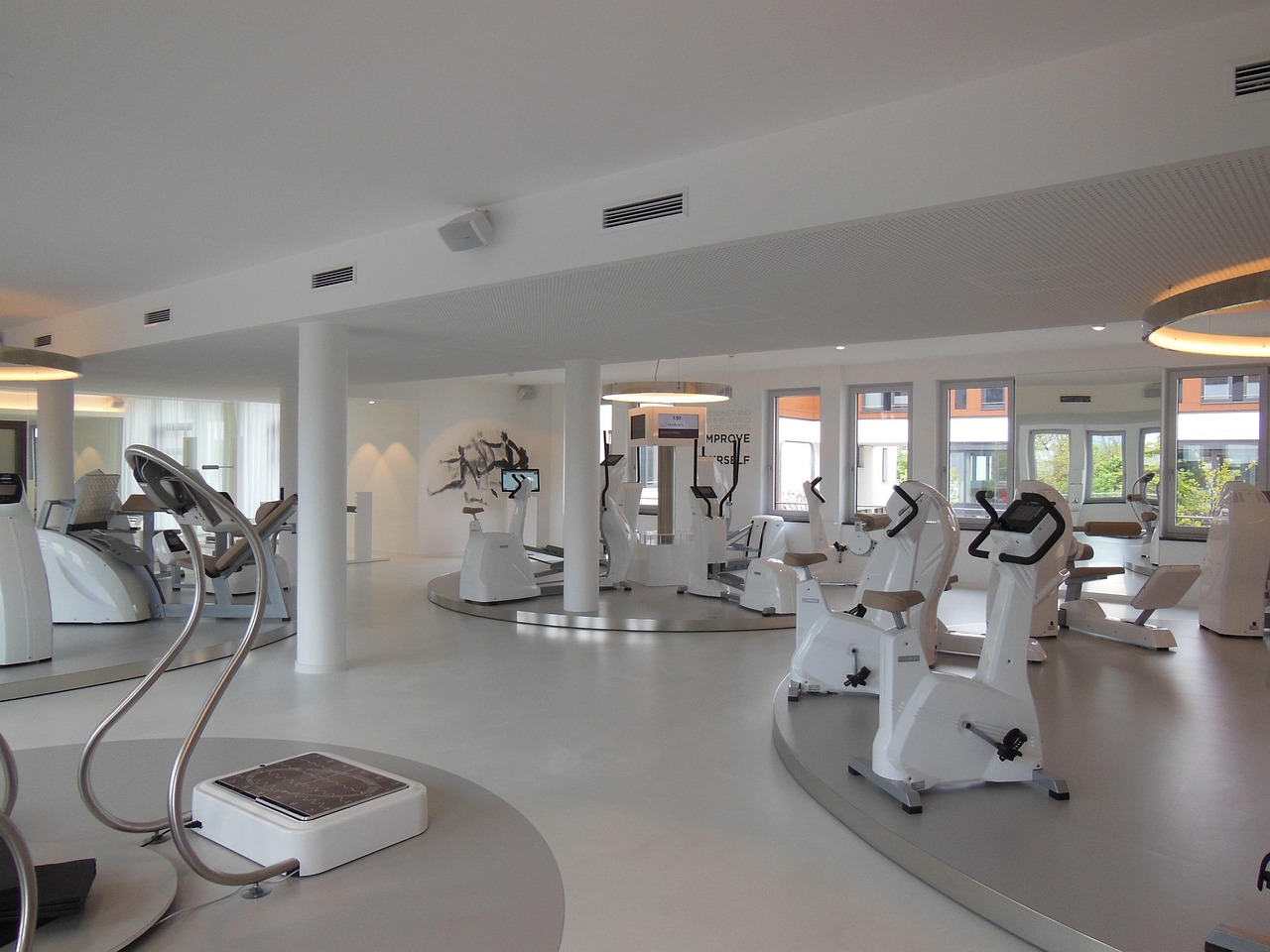
Setting up your home gym for circuit training should consider space, layout, and accessibility. Identifying a spacious area, whether a room or garage, enables you to create a versatile workout environment. Make sure that your gym area is clutter-free, allowing safe movement as you transition between exercises. Using wall-mounted racks can help maximize storage for your equipment while keeping everything organized. Planning your circuit layout will create a more efficient workout flow, minimizing downtime between exercises. Ensure your circuit includes a balanced combination of strength, stability, and cardio workouts, fostering an all-encompassing fitness regimen. You can carve out zones within your gym setup tailored to your specific training needs, such as a stretching area, strength training zone, and cardio section. Ambient lighting can play a role in enhancing motivation; brighter light is often invigorating for workouts. Additionally, incorporating mirrors can help facilitate better form checks during exercises, ensuring aesthetics and functionality. A comfortable gym environment can profoundly impact your commitment to fitness and overall performance.
Monitoring your progress is paramount in circuit training setup. Logging your workouts through periodic assessments can be beneficial in marking improvements. Utilize a journal or digital app to keep track of your circuits, weights, and resistance levels, helping pave the way to achieving your fitness goals. Setting realistic milestones allows you to stay motivated and encourages continuous growth while diversifying your workouts. You may want to organize specific fitness goals to keep in mind as you engage in circuit training. For instance, decide to enhance your cardiovascular stamina, increase dynamic strength, or improve flexibility. Use specific metrics such as time durations, repetitions, or weight amounts to quantify your progress and refine your approach. Moreover, consider collaborating with supportive workout buddies or personal trainers for additional motivation and guidance. Finally, recognize that self-assessment can keep you accountable in your fitness journey. By monitoring your progress consistently, making necessary adjustments while celebrating small victories, you’ll find that circuit training can invigorate your home workouts, leading to long-lasting results and an inspiring fitness journey ahead.