
Adaptive Fitness and Stroke Rehabilitation: Enhancing Recovery Through Movement
Stroke rehabilitation is a critical element in the recovery process for individuals affected by neurological disorders. Stroke impacts various bodily functions, leading to physical, cognitive, and emotional challenges. Effective rehabilitation programs are essential in helping survivors regain independence and improve their quality of life. Adaptive fitness plays a significant role, as it focuses on developing tailored exercise programs that accommodate physical limitations. These individualized programs utilize movement as a therapeutic tool, allowing patients to engage in physical activity safely and effectively. By addressing each person’s unique needs, adaptive fitness promotes overall well-being during recovery. Participating in adaptive fitness can lead to improved mobility, balance, and strength, which are crucial for daily activities. Furthermore, movement stimulates neuroplasticity, the brain’s ability to reorganize itself. This reorganization is paramount in recovery from neurological damage, as it helps restore functionality. Implementing an adaptive fitness regimen ensures that stroke survivors can gradually regain lost skills and confidence. By incorporating physical activity into rehabilitation, individuals embark on a journey of recovery that emphasizes empowerment and encouragement.
Benefits of Adaptive Fitness for Stroke Survivors
The benefits of adaptive fitness programs for stroke survivors are manifold and significantly contribute to enhanced rehabilitation outcomes. Firstly, tailored exercise programs specifically designed for individuals post-stroke facilitate increased participation in physical activity. They provide opportunities for the improvement of cardiovascular health, strength, and muscular endurance. In addition, adaptive fitness is essential for enhancing coordination and improving essential functional movements, which may have been affected by the stroke. Mental well-being also receives a substantial boost through these programs, as physical activity can help reduce feelings of anxiety, depression, and stress that often accompany stroke recovery. Engaging in adaptive physical activities fosters a sense of community and support amongst survivors, which can further aid emotional healing. As stroke survivors connect with trainers and peers, they exchange experiences and encouragement. Adaptive fitness also promotes independence by enabling individuals to learn to navigate their environments safely and effectively. As survivors experience improvements in their physical capabilities, they often gain confidence and motivation. These psychological benefits can create a positive feedback loop, encouraging continued participation and perseverance in their recovery journey.
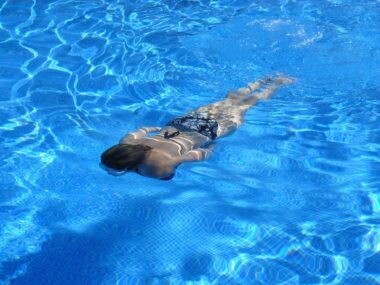
To ensure successful adaptive fitness programs, it is essential to implement individualized assessments for stroke survivors. These assessments identify unique needs, strengths, and limitations that help develop tailored exercise regimens. A qualified healthcare professional, such as a physical therapist or an adaptive fitness specialist, must conduct assessments. This initial evaluation provides insight into the appropriate level of fitness, mobility challenges, and specific goals for the individual. Once the assessment is complete, the healthcare provider collaborates with the patient to create a personalized plan. This plan may include various activities such as resistance training, aquatic therapy, and balance exercises, all tailored to the survivor’s abilities. Regular reassessments are also crucial to monitor progress and make adjustments to the program as needed. By continually adapting the fitness regimen, survivors can challenge themselves while remaining safe. In addition to physical health, the program should emphasize mental engagement and enjoyment to foster long-term adherence. Exercise should be fun and fulfilling for participants, ensuring they remain committed to their rehabilitation journey as they become more physically active over time.
Choosing the Right Activities
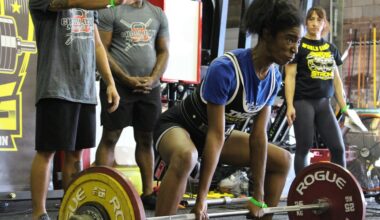
Selecting the right activities for adaptive fitness programs is crucial for promoting engagement and success in rehabilitation for stroke survivors. This involves considering the individual’s preferences, interests, and physical limitations. Activities should be enjoyable to encourage consistent participation. Some popular adaptive fitness options include seated yoga, resistance training with light weights, and low-impact aerobics. These activities can be adjusted to different fitness levels, making them accessible for all survivors. Additionally, various exercises can be performed using modifications for those with mobility issues. Engaging patients in the process of choosing activities empowers them and fosters a sense of ownership over their recovery. Input from healthcare professionals during this selection phase is invaluable, as they can provide recommendations and guidance on safe practices. It is essential to create an environment where survivors feel confident exploring different activities. Educating them about the importance of regular physical activity is key, as it plays a vital role in recovery. Incorporating fun games and social elements can also enhance participation and maintain motivation long-term.
Group adaptive fitness classes offer an additional avenue for stroke survivors to engage in rehabilitation. These group sessions foster social interaction, motivation, and camaraderie amongst participants who share similar experiences. Being part of a supportive community can significantly bolster one’s recovery journey. In these classes, survivors learn new adaptive techniques while also benefiting from friendly competition and encouragement from peers and instructors. This social element is crucial, as support from others who understand the challenges faced can enhance emotional healing. Group sessions can be tailored to accommodate varying levels of mobility and ability, ensuring inclusivity. Instructors can provide required modifications or alternative exercises for participants as needed, ensuring everyone remains engaged and safe. The shared experiences of challenges and triumphs bond participants, promoting a positive and nurturing space for recovery. It’s essential that these classes remain fun and engaging, incorporating variety to keep interest levels high. The joyful atmosphere prevalent in group adaptive fitness sessions inspires participants to push through challenges, making it a powerful element in stroke rehabilitation programs.
Challenges in Adaptive Fitness for Stroke Rehabilitation
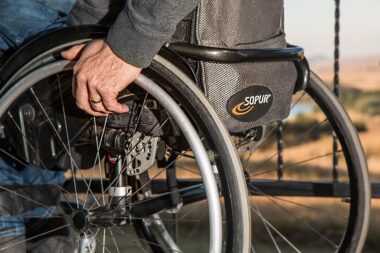
Despite the numerous benefits, adaptive fitness for stroke rehabilitation presents challenges. Some individuals may experience physical limitations that severely restrict their ability to participate in conventional exercise activities. These limitations can stem from factors such as muscle weakness, decreased coordination, or reduced range of motion. Additionally, emotional barriers, including anxiety or depression, may hinder participation in fitness programs. Fear of falling or reinjuring oneself can also deter stroke survivors from engaging in physical activities. Consequently, it is essential for adaptive fitness programs to address these challenges through tailored and supportive approaches. Building trust between trainers and participants is vital, as individuals need to feel safe to explore their physical capabilities. Moreover, leaders in the adaptive fitness community must focus on education and therapeutic support to motivate participants. Creating a comfortable environment conducive to exploration and adaptation can help navigate these challenges. Continuous encouragement and appropriate feedback play crucial roles in empowering stroke survivors, allowing them to thrive and achieve their rehabilitation goals. Through understanding these challenges, adaptive fitness practitioners can develop impactful programs that foster success.
In conclusion, adaptive fitness presents a promising avenue for enhancing stroke rehabilitation outcomes. By incorporating movement into recovery strategies, individuals affected by stroke can embark on a transformative journey toward regained independence and well-being. Tailored exercise programs designed to accommodate individual strengths and limitations significantly contribute to improved mobility, balance, and overall health. These benefits extend beyond the physical realm, positively influencing mental health and emotional resilience. The power of community support in group classes further enhances the rehabilitation process, fostering connections that empower participants. However, addressing the challenges of adaptive fitness, such as physical and emotional barriers, is essential. Tailored assessments and ongoing support from qualified professionals can help stroke survivors navigate potential obstacles in their recovery journey. Through continuous adaptation and encouragement, stroke survivors can confidently engage in physical activity, restoring functionality and rekindling joy in movement. The overall focus should remain on empowerment, fun, and fostering resilience. As adaptive fitness plays an increasingly significant role in stroke rehabilitation, it transitions from a therapeutic necessity to a remarkable journey of reclaiming vitality and independence.