
Adaptive Cardio Workouts for Elderly with Limited Mobility
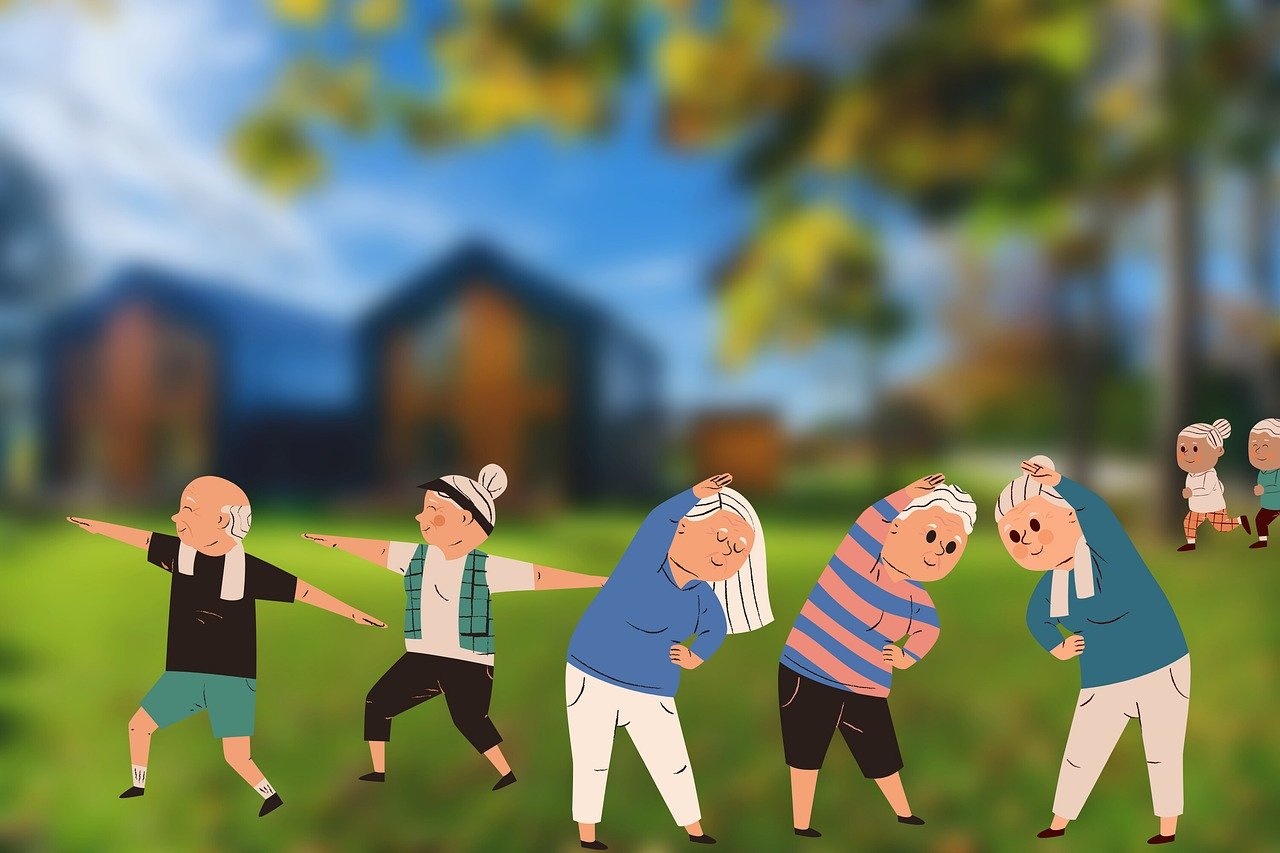
As people age, maintaining cardiovascular health is essential, especially for seniors with mobility limitations. Regular cardio workouts can help improve heart function, circulation, and overall health. However, traditional exercise routines may not be accessible for everyone. That’s why adaptive cardio workouts are a vital option. These workouts can be modified to fit various ability levels and can be performed from a seated position or with minimal movement, accommodating a broad range of mobility challenges. Light exercises such as chair aerobics or arm raises can stimulate cardiovascular health effectively. The key is to ensure consistency and gradual progression in exercises while making them enjoyable. Incorporating music during workouts can enhance motivation, making sessions more fun and engaging. Seated marching, gentle movements, or stretching can effectively elevate heart rates safely. It’s essential to consult healthcare providers before starting new workouts to tailor them according to individual health conditions. Engaging in group sessions, either in person or virtually, can also provide social support, encouragement, and camaraderie for seniors, turning exercise into a communal and enjoyable activity.
Warm-up exercises play a crucial role in preparing the body for more intense cardio workouts. For seniors with limited mobility, warm-ups should be gentle but effective in getting blood flowing. Consider arm circles, ankle pumps, and neck rotations as excellent options for a warm-up. These movements increase flexibility and reduce injury risks, essential for older adults. Follow the warm-up with aerobic workouts, focusing on low-impact activities. Seated or standing options are available to accommodate various mobility levels. Activities such as seated leg lifts, low-impact dancing, or even light stretches can boost energy and heart rate. Aim for at least 20-30 minutes of aerobic activity, broken down into manageable segments. Encourage seniors to monitor how they feel during workouts, ensuring that they do not overexert themselves. Listening to their bodies is critical for safety. Hydration is another essential aspect to consider, as seniors might forget to drink enough water during exercise. Providing accessible water within reach encourages healthy hydration during workouts. Consistently performing these adaptive cardio workouts can lead to significant improvements in overall well-being.
Incorporating Technology for Engagement
Using technology can significantly enhance adaptive fitness routines for seniors with disabilities. Many fitness apps and online platforms offer tailored workout programs designed for seniors. These digital resources provide customizable routines, making it easier for elderly individuals to find activities that suit their abilities. Additionally, virtual classes allow seniors to participate from home, addressing transportation challenges. Engaging with fitness technology often includes instructional videos and live sessions, which can provide clear demonstrations of exercises. Furthermore, wearable fitness trackers encourage motivation by helping seniors set realistic goals and monitor their progress. This accountability can lead to increased participation in cardio workouts. Regardless of individual abilities, many platforms encourage social interaction with peers, creating a sense of community. Many seniors find that sharing their achievements online boosts their motivation. Community support fosters a deeper connection, helping seniors stick to their fitness goals. Families can also participate through shared accounts or group workouts, bringing loved ones into their fitness journey. This engagement can have a powerful impact on a senior’s mental and emotional health as well.
Strengthening core muscles is also key for seniors with limited mobility, as it enhances stability and balance, crucial for everyday activities. Core strengthening exercises can be adapted to suit different abilities, ensuring they remain accessible and effective. Simple movements, like seated knee lifts or abdominal contractions, can be very beneficial. These exercises can also contribute to improved posture and confidence while engaging in cardio activities. Resistance bands are another fantastic resource that can be used in various ways for strength training without causing strain. Seniors can incorporate bands into their routines safely while building strength. Experts recommend focusing on multiple muscle groups during workouts to ensure balanced development. This balance helps avoid injuries and improves performance during cardio sessions. Regularly alternating muscle groups also keeps the workout varied and enjoyable for seniors. Stretching post-workout is equally important, preventing soreness and enhancing flexibility. Regular participant feedback can guide subsequent workout adjustments, ensuring optimal engagement and progression. Group discussions about workouts can lead to shared learning experiences where individuals exchange what activities they enjoyed or found challenging, strengthening their bonds.
Nutrition and Fitness Complement Each Other
Nutrition significantly impacts the effectiveness of cardio workouts for seniors with limited mobility. A balanced diet provides the necessary energy to fuel exercise while aiding in recovery and promoting overall health. Seniors should strive for meals rich in whole grains, fruits, vegetables, and lean proteins, contributing to their body’s strength during workouts. Consulting a registered dietitian can be beneficial in creating a tailored nutrition plan that addresses individual health conditions and activity levels. Proper nutrition not only supports energy levels but also directly affects recovery after workouts. Ensuring adequate protein intake is pivotal for muscle recovery and growth, especially after engaging in resistance training and cardio sessions. Additionally, certain nutrients, like omega-3 fatty acids, can help reduce inflammation and improve joint health, making workouts more comfortable. Hydration combined with proper nutrition can significantly improve workout outcomes and overall wellness. Many seniors often overlook their dietary needs; thus, accessible meal planning is key. Keeping a journal might help seniors note what foods provide them more energy and satisfaction, enhancing their relationship with food and fitness.
Finding motivation can be one of the greatest challenges for seniors engaging in adaptive cardio workouts. However, creating a structured fitness routine can greatly enhance commitment and adherence. Consistency is critical in establishing a successful fitness journey. Establishing specific workout days and times can help create positive habits that become a part of daily life. Keeping a friendly, encouraging environment can significantly affect a senior’s enthusiasm for exercising. Incorporating fun elements, like music, can make movements more enjoyable. Simple modifications can add variety, keeping seniors engaged and focused on their fitness goals. Involving family members or friends in workouts can enhance enjoyment, turning exercise into a social event. Group challenges, where participants compete or support one another in reaching milestones, can foster a sense of achievement and community. Celebrating small successes, such as improved range of motion or increased stamina, can provide tremendous motivation. Setting realistic goals guided by healthcare professionals aids seniors in staying on track without feeling overwhelmed. Maintaining flexibility in scheduling can also keep exercise enjoyable and stress-free as each individual has unique preferences and restrictions.
Conclusion: Embracing Adaptive Fitness
In conclusion, adaptive cardio workouts present an effective and enlightening approach for seniors with limited mobility to enhance their cardiovascular health. By accommodating various ability levels through tailored modifications and engaging techniques, these workouts can become a fundamental part of a senior’s lifestyle. Key elements to consider include engaging warm-up and cool-down routines, technology integration, proper nutrition, and incorporating social aspects into fitness programs. These components foster an enjoyable and supportive workout environment that addresses both physical and emotional needs. It’s vital for seniors to set personal goals while receiving guidance from health professionals to ensure safety throughout their fitness journey. Additionally, being adaptable with routines allows seniors to explore what works best for them, making every workout session rewarding and fulfilling. Encouraging consistent participation in cardio workouts can lead to improved health outcomes while also boosting self-confidence and independence. Ultimately, embracing adaptive fitness for seniors opens up new pathways for health, socialization, and enjoyment, ensuring they live fuller, healthier lives. The potential benefits of engaging in these adaptive workouts can have lasting positive impacts on seniors, reinforcing the importance of exercise at any age.
Continued engagement and commitment to adaptive cardio workouts provide opportunities for seniors to discover their physical capabilities, enhancing their quality of life. While the journey may present challenges, the implementation of tailored programs ensures individuals can navigate their fitness path confidently, ultimately leading to a healthier and happier existence throughout their senior years. Adaptive fitness is more than just exercise; it serves as a toolbox for broadening one’s physical and social horizons.