
Practical Functional Fitness Approaches for Posture Correction
Posture plays a crucial role in overall health and well-being, influencing everything from pain levels to physical performance. Functional fitness approaches to posture correction focus on exercises that promote balance, strength, and flexibility, allowing individuals to align their bodies optimally. Implementing a tailored program for posture correction involves assessing individual needs and limitations. Key components include strengthening the core and back muscles while stretching the chest and hip flexors. Engaging in activities like yoga and Pilates can enhance awareness of body mechanics, which is essential for proper posture. Moreover, functional fitness emphasizes integrating movements mimicking daily activities. For example, performing squats and lunges not only builds strength but also reinforces how to maintain form during routine tasks. Furthermore, including stability exercises can improve proprioception and support muscular development around joints. Individuals are encouraged to focus on breathing techniques, which help create a mind-body connection, another essential aspect of maintaining proper posture. Regular assessments will ensure progress is being made and can provide motivation to continue the journey toward better alignment and functionality.
Exercises to Enhance Core Strength
One of the most significant contributors to posture improvement is core strength, essential for supporting the spine and pelvis. Exercises targeting the core include planks, bridges, and dead bugs, which engage multiple muscle groups. Planks, for example, not only strengthen abdominal muscles but also enhance shoulder stability and overall endurance, crucial for maintaining posture throughout the day. Performing these exercises with proper form is vital to avoid injury and maximize benefits. Adding variations can keep your routine engaging; for instance, side planks target oblique muscles while improving lateral stability. Dead bugs integrate coordination while promoting core engagement and pelvic stability. Another beneficial exercise is the bridge, which strengthens both the posterior chain and hip extensors, areas often neglected in traditional routines. Including functional movements, like squatting while maintaining core tension, helps to reinforce posture awareness. It is essential to incorporate this core-focused regimen multiple times per week for optimal results. Additionally, collaboration with a physical therapist can provide personalized guidance, allowing for safe progression and tailored exercises adapted to specific posture issues.
To complement core strengthening, it’s important to stretch tight muscles that contribute to poor posture. Regular stretching of the chest, shoulders, and hip flexors serves to elongate and relieve tension. Often, prolonged sitting can tighten these areas, leading to a rounded shoulder posture, also known as upper crossed syndrome. Incorporating dynamic stretches before workouts can increase range of motion and prepare the body for movement. For instance, wall angels target shoulder mobility while stretching the pectoral muscles simultaneously. A doorway stretch is another effective exercise to open up the chest and promote better alignment of the shoulders. Practicing effective cooling down post-exercise with sustained stretches can help maintain flexibility long-term. Active stretching techniques, like those found in yoga, can greatly enhance overall muscle elasticity. Furthermore, consistency is key; setting aside dedicated times for stretching routines can create a habit of improvement. Incorporating these stretches alongside core exercises ensures a well-rounded approach to posture correction by alleviating tightness while fortifying crucial strength areas. Always listen to your body during these routines, as maintaining comfort while working on flexibility is important.
Balance and Stability Training
Balance and stability training significantly contribute to posture correction, enhancing alignment and function. Integrating exercises that activate stabilizing muscles improves overall strength and coordination. Example exercises include single-leg stands, stability ball exercises, and balance boards. These activities develop stability by engaging core musculature while training proprioception, essential for maintaining posture in dynamic situations. For instance, single-leg stands encourage engagement of ankle stabilizers and improve balance awareness. Stability balls can be utilized to perform traditional strength exercises like squats or presses, but with added instability, enhancing the challenge for stabilizing muscles. For individuals who prefer technologies, balance boards can introduce an interesting variety to workouts, encouraging continuous adjustment of muscles to maintain equilibrium. Another unique method includes tai chi, which focuses on controlled, flowing movements that cultivate balance awareness over time. Introducing these balance-focused exercises into a regular fitness regimen can offer significant improvement in posture by encouraging the body to maintain optimum alignment during movement. Ultimately, creating a diverse training plan, where functional exercises overweight time limitations, can aid individuals in achieving their desired posture correction goals.
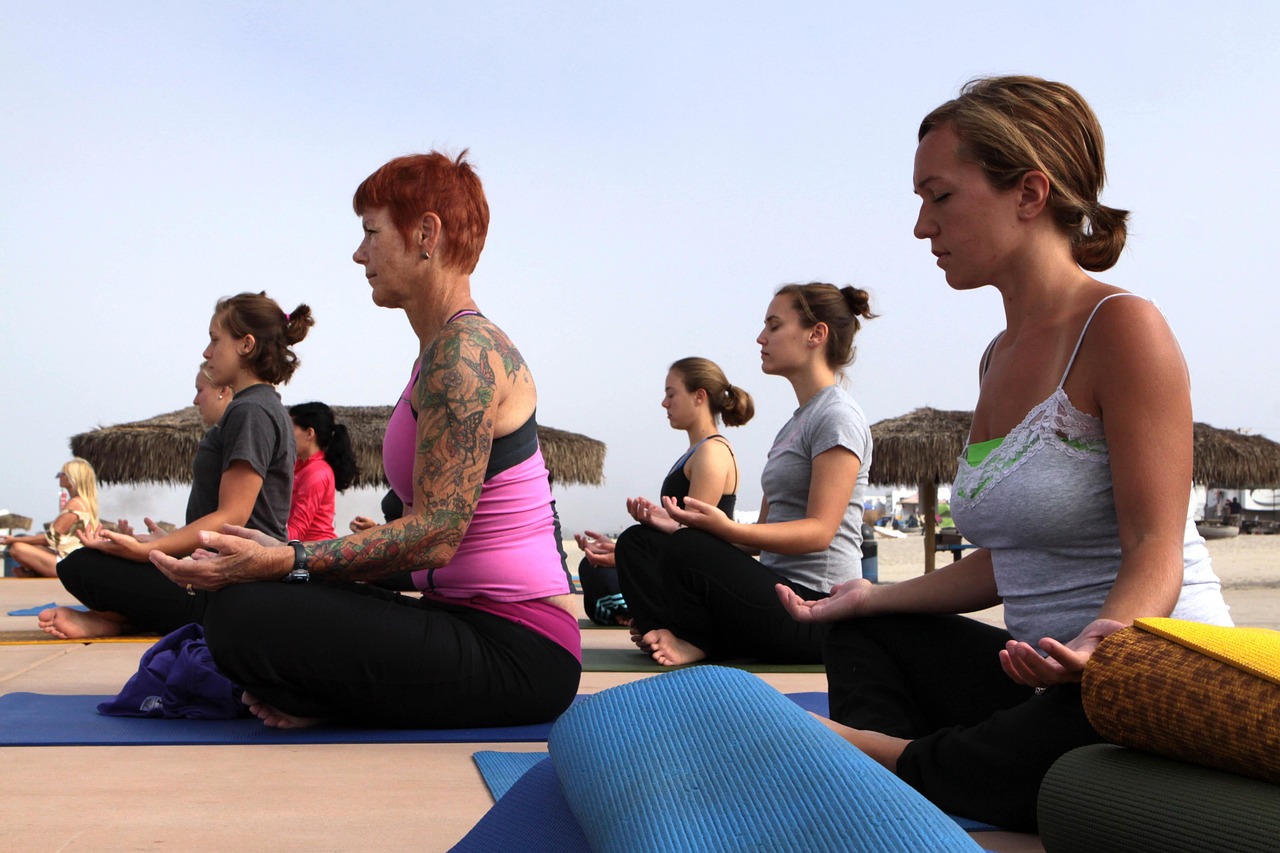
Mindfulness techniques can play an essential role in posture correction by fostering awareness of body position throughout daily activities. Implementing strategies, such as breathing exercises and mindfulness practices, can help individuals learn to notice their posture during various circumstances. For example, deep diaphragmatic breathing encourages proper alignment by actively engaging the core, providing natural support to the spine. Additionally, mindfulness practices such as meditation enhance body awareness; individuals become more conscious of the physical sensations linked to poor posture. Incorporating reminders into daily life like post-it notes or mobile applications can help cue better posture habits over time. Setting aside moments throughout the day to check-in with one’s posture can be beneficial; consider standing up, stretching, and resetting your position at intervals. Maintaining a neutral spine should always be the primary focus, avoiding slouching or overarching the lower back. This mindfulness approach can be integrated with the previously discussed physical activities for a holistic view of posture enhancement. As a result, building resilience and stability through awareness also cultivates a stronger mindset towards the commitment to functional fitness and life-long wellness.
Consistency and Progressive Training
For effective posture correction, consistency combined with progressive overload is critical to developing strength and flexibility. It’s vital for individuals to adhere to their tailored fitness routines while gradually increasing the complexity or intensity of exercises. A well-structured plan may include a combination of strength training, stretching, and balance exercises distributed throughout the week. Adapting exercises over time can yield better results, as the body becomes more resilient to new challenges, thus improving posture. Setting achievable short-term goals can help maintain motivation; consider tracking progress through notes or fitness applications. Moreover, involving friends or family members in the training process introduces a supportive aspect that could foster accountability. Using progressive training techniques, such as increasing the number of repetitions or integrating weights, can help the individual experience greater benefits from the workout. Utilizing wearable technology can also provide metrics to measure performance, offering feedback on areas of improvement and celebrating achievements. By maintaining such consistency, individuals can experience lasting changes in posture, leading to an enhanced quality of life and overall health.
In conclusion, practical functional fitness approaches for posture correction combine strength, flexibility, mindfulness, and stability training to promote optimal alignment. Understanding the importance of a well-rounded fitness routine emphasizes engaging both major and minor muscle groups to address postural imbalances effectively. The journey towards improved posture isn’t merely physical; it embodies a holistic sense of well-being that enhances confidence and functional ability in everyday tasks. Each approach, whether core strength workouts, stretching routines, or balance exercises, contributes uniquely to enhancing postural awareness and promoting healthier habits. Embracing these strategies with consistency and progressive training leads to sustainable results over time. Remember, working on posture is a continuous process that requires patience and self-compassion. Small adjustments within daily life can yield significant benefits, showing how functional fitness approaches can foster greater awareness not only in exercise but throughout one’s lifestyle. Always consult with a fitness professional or physical therapist to tailor the approach to unique needs, enabling a personalized journey towards achieving optimal posture. Prioritizing functional fitness paves the way for a lifetime of health and well-being.