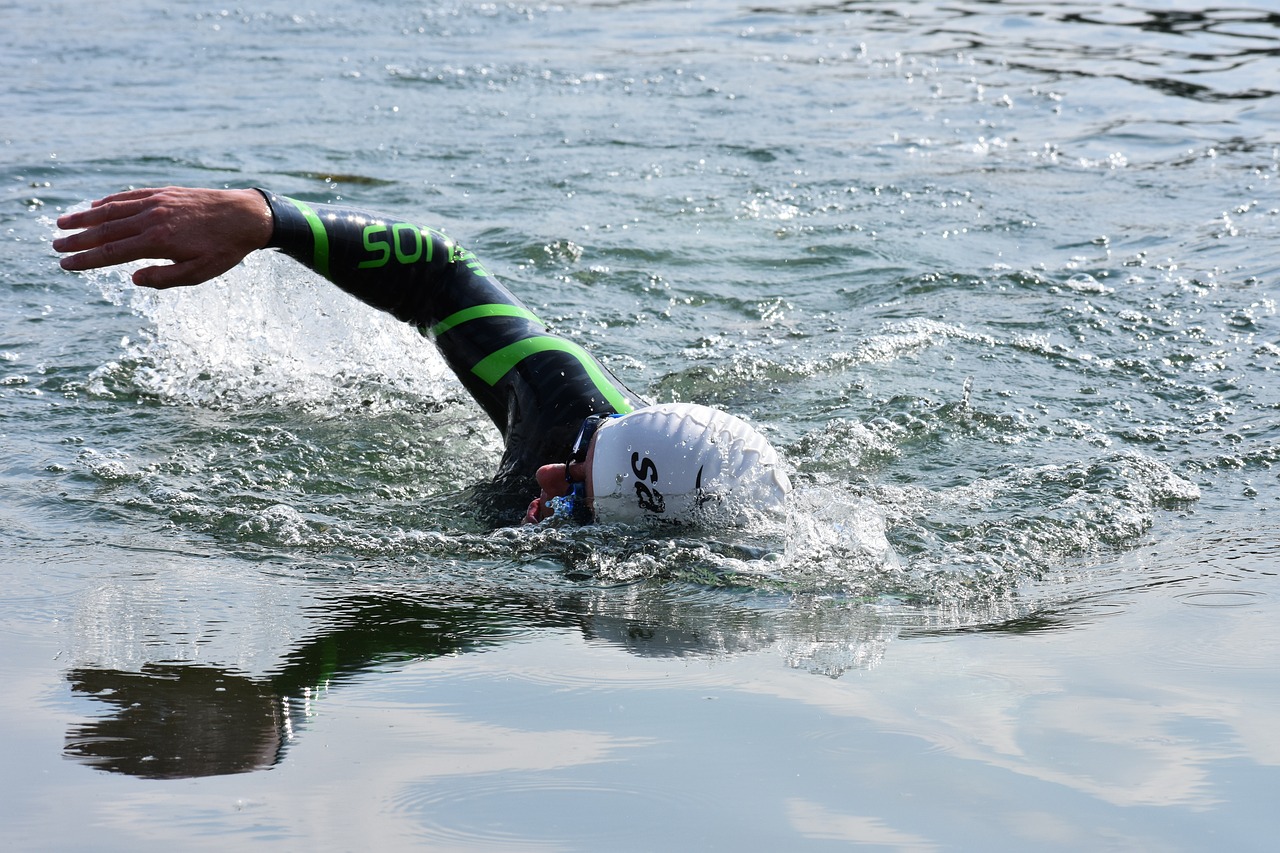

Nutrition and Hydration Strategies for Open Water Triathlon Training
For triathletes, mastering open water swimming involves more than technique; it requires effective nutrition and hydration. Proper fuel is crucial, especially in preparing your body for the intensity of such training. Aim to consume a balanced diet rich in carbohydrates, proteins, fats, and vitamins. Carbohydrates are vital for energy, so integrate whole grains, fruits, and vegetables into your meals. Proteins, found in lean meats, dairy, and legumes, help in muscle recovery and repair. Healthy fats from nuts and fish are essential as well, supporting overall health. Don’t forget to plan your hydration strategy. Start by drinking enough water before workouts to stay hydrated. During open water swims, you might find it challenging to hydrate due to the environment. Hence, practice drinking fluids in training. Use sports drinks during intense sessions for electrolytes, while water should remain your primary hydration source. Post-training, don’t underestimate the importance of replenishing lost fluids. Keep tracking your body’s hydration levels. You can use various apps or tools to help monitor your hydration status effectively, enhancing your performance during training.
In addition to general nutrition strategies, paying attention to meal timing can significantly impact your open water swimming performance. Ideally, consume a carbohydrate-rich meal two to three hours before your swim. This gives your body ample time to digest and absorb the nutrients necessary for peak performance. However, if you are training in the morning or plan an early swim, a lighter snack like a banana or an energy bar 30-60 minutes prior may be sufficient. Experiment with different foods during training to see how your body reacts. After finishing a swim session, focus on recovery nutrition. Aim to consume a protein and carb combination within 30 minutes post-workout, as this optimizes recovery. Some great options include a protein shake, a yogurt with fruits, or a turkey sandwich. Don’t neglect healthy snacks like trail mix or energy bites throughout the day. Proper nutrition aids muscle recovery and prepares the body for your next training session, ensuring you maintain optimal performance levels throughout your training routine.
Hydration Techniques in Open Water
One of the unique challenges of open water swimming is managing hydration effectively. Unlike pool sessions, where water is easily accessible, open water venues can pose difficulties. To mitigate this, establish a hydration plan before your training. Assess the weather conditions, distance to be swum, and duration when planning. On particularly hot days, ensure you are well-hydrated the day before a swim. Drink plenty of fluids the evening before, focusing on water and electrolyte drinks. During your training sessions, you can use buoyancy devices equipped with compartments for hydration. These can provide quick access to water or electrolyte solutions. Practice taking quick sips of fluids during swim sessions. Use interval training to incorporate hydration breaks efficiently. Remember, maintaining hydration helps prevent cramping and fatigue while swimming. Adjust your fluid intake based on the intensity and duration of your sessions. Always listen to your body’s signals; if feeling thirsty, increase your hydration levels. Being proactive in your hydration strategy can give you a remarkable advantage in your triathlon training.
Furthermore, prepare for race day by allowing your nutrition and hydration routines to evolve steadily. On race day, maintain your pre-established nutrition items, as familiarity reduces anxiety. Ensure your dinner the night before is balanced, focusing on carbohydrates to store energy. Consuming foods high in sodium may also boost your electrolyte balance, essential for performance. Hydration should extend into the morning of the event. However, avoid over-hydration right before your swim, as it can lead to discomfort. Consume a small amount of fluid to maintain hydration without feeling bloated. During the race itself, practice using the hydration strategies you’ve developed. If the event permits, bring a small hydration option to use at designated points. Keep in mind that excessive gastrointestinal fluid intake can hinder performance. Always focus on consuming small sips rather than large gulps, making it easier to manage your needed hydration without feeling uncomfortable. Remember that routine adjustments during training will prepare you for inevitable race day variations.
Exploring Sports Nutrition Products
With a multitude of sports nutrition products available, finding the right one for your open water swimming can enhance your training. Energy gels, chews, and electrolyte tablets are popular choices among triathletes. When selecting energy gels, prioritize those that are easy to digest and contain essential electrolytes. Experiment with flavors to determine what suits your preference during training sessions. Chews can also provide convenient sources of energy, often combined with flavor for an enjoyable experience. Electrolyte tablets are essential for maintaining fluid balance. Opt for products low in sugar, as high sugar levels can lead to energy crashes. You can conveniently mix them into your water supply during workouts. As you test different products, be mindful of your body’s response, particularly in long-duration swims. Always evaluate the product’s ingredient list to ensure they meet your dietary restrictions. Purchase samples from local sports retailers or online stores, which often offer various items to try. It’s crucial to front-load your nutrition regimen in training to avoid race day surprises.
Incorporating solid foods in extensive training can also be beneficial. Try packing energy bars or homemade options such as trail mix or protein balls during long-distance swims. Blueprint these options based on your caloric needs and preferences. However, solid fuels should be approached with care, as digesting them while swimming can be challenging for some athletes. When training, speak with other seasoned swimmers and incorporate their tips or resources. Don’t shy away from hydrating with flavored beverages or lightweight meals before extensive swimming activities. Maintain a pre-swim ritual to prepare your body adequately. Some triathletes enjoy a light breakfast, while others may prefer an energy gel or banana just before entering the water. Take note of how these foods are affecting your performance during swims, adjusting meals as needed until you find the optimal pre-exercise routine. Constant tweaks to your hydration and nutrition plan can promote better performance. Exploring new options in training ensures you’re prepared for race day.
Final Thoughts on Nutrition and Hydration for Triathletes
Lastly, integrating the principles of good nutrition and hydration into your routine not only enhances open water swimming performance but also supports overall health. Training for triathlons demands commitment, and dedicating attention to food and fluid intake can produce substantial results. Remember, your body is an efficient machine that requires the right fuel for optimal performance. Plan your meals in advance and adapt them based on weather and training intensity. You can consult with nutritionists specializing in sports diets for personalized recommendations. This step can be invaluable for meeting your individual goals. Additionally, ensure you’re consistent with your hydration habits, as maintaining appropriate water intake throughout your training is essential. Monitor your energy levels and overall feelings during swimming to identify what works best. Incorporating technology like hydration trackers may assist you in maintaining ideal hydration levels. By prioritizing your nutritional and hydration strategies, you’ll find your performance in open water swimming elevates significantly, enhancing your competitive edge as a triathlete.