
Neuromuscular Adaptations in High-Intensity Interval Training
High-Intensity Interval Training (HIIT) has received significant attention for its numerous benefits, particularly in enhancing athletic performance and promoting cardiovascular health. In this training style, short bursts of intense activity are alternated with periods of rest or lower-intensity exercise. Research indicates that HIIT contributes to various neuromuscular adaptations, which can elevate an athlete’s power output and efficiency during physical activity. The training prompts the nervous system to recruit more muscle fibers, enhancing muscle contractions and overall performance. These adaptations occur at both the central nervous system and peripheral nervous system levels, ultimately leading to improved motor control and reduced fatigue during exercise. Additionally, HIIT has been shown to increase mitochondrial density and muscle oxidative capacity, promoting better energy production during high-intensity efforts. This article aims to explore the neuromuscular mechanisms at play during HIIT and how they contribute to overall athletic advancements. Considering the rising popularity of HIIT among various demographics, understanding these adaptations becomes crucial for effectively designing training programs. Further insights will be provided into the specific physiological changes that occur with consistent participation in HIIT routines.
Neuromuscular Adaptations Explained
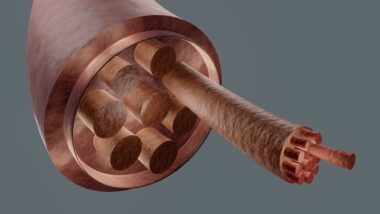
Neuromuscular adaptations resulting from High-Intensity Interval Training encompass several critical factors that influence performance and recovery. One of the primary adaptations observed is an increase in motor unit recruitment. This phenomenon allows the muscles to engage more fibers rapidly, which enhances overall force production during high-intensity exercises. Additionally, there is an increase in the synchronization of motor units, minimizing the delay between nerve signals and muscle contractions. Enhanced neuromuscular efficiency enables athletes to sustain high performance levels during rigorous physical activities. Furthermore, HIIT also stimulates biochemical changes within muscle tissue, particularly among fast-twitch and slow-twitch fibers, contributing to improved endurance and strength. These neuromuscular changes facilitate not only short bursts of power but also sustained effort over longer periods. Equally important is the effect of HIIT on reducing muscle fatigue during prolonged exercises. By optimizing the neuromuscular pathway, individuals can perform at higher intensities with significantly less fatigue. Understanding these adaptations not only helps athletes enhance performance but also aids coaches and trainers in designing HIIT protocols tailored to individual needs and goals.
The rate of adaptations in neuromuscular physiology can differ significantly between individuals due to several factors, including genetics, training status, and overall fitness levels. Consequently, progressive overload is essential in HIIT to ensure continued neuromuscular development. This principle involves systematically increasing exercise intensity, volume, or duration, challenging the body to adapt further. For novices starting HIIT, incorporating gradual increments in intensity allows the neuromuscular system to acclimatize effectively. In contrast, more conditioned athletes may explore advanced HIIT techniques, such as complex movements or explosive training modalities, to elicit further neuromuscular adaptations. As training progresses, practitioners should also consider integrating sufficient recovery into training plans. Adequate rest intervals are crucial as they allow the body to repair and strengthen after high-intensity sessions, optimizing the benefits of the workout. Another effective strategy is periodization, which effectively maximizes training outcomes by cycling through distinct phases of varying intensity and workload. Ultimately, recognizing individual differences in adaptation rates can facilitate more personalized and effective HIIT programming, fostering optimal athletic performance and health benefits.
The Role of Recovery
Recovery is a critical component of successful High-Intensity Interval Training adaptation that should not be overlooked. During high-intensity workouts, the body experiences substantial fatigue, particularly within the neuromuscular system and muscular tissues. Recovery periods allow for the restoration of muscle glycogen levels and the repair of microtears in muscle fibers caused by intense exertion. Inadequate recovery can lead to overtraining, negatively affecting performance and increasing the risk of injury. Therefore, incorporating longer recovery breaks between HIIT intervals or sessions is essential for optimal neuromuscular adaptations. Additionally, active recovery techniques like light aerobic exercises can facilitate blood flow, assisting in faster muscle recovery. Nutrition also plays a pivotal role in the recovery process. Consuming adequate amounts of protein and carbohydrates post-training can help replenish energy reserves and promote muscle repair. Hydration is equally crucial, as it supports metabolic function and prevents fatigue. It is essential for athletes to heed their body’s signals and incorporate sufficient recovery strategies into their training regimens. By prioritizing recovery, athletes can maximize the effectiveness of their HIIT sessions and foster sustainable progress in neuromuscular adaptations.
Recent research suggests that the timing and content of nutrition surrounding HIIT can significantly influence neuromuscular adaptations. Consuming a nutrient-rich snack or meal before training can provide the necessary energy to sustain high-intensity efforts. Moreover, the timing of nutrient consumption post-exercise, particularly protein and carbohydrates, can directly impact recovery and subsequent performance. Protein synthesis is crucial for muscle repair and growth, and consuming protein shortly after HIIT can maximize this process. In addition to traditional food sources, supplementation may offer additional benefits for athletes seeking accelerated adaptations. Ingredients like branched-chain amino acids (BCAAs) and creatine have shown promise in enhancing recovery and performance outcomes. Athletes must assess their dietary preferences and needs to determine the best nutrition strategies to support their HIIT training. Additionally, hydration strategies play a pivotal role in optimizing neuromuscular function during high-intensity workouts. Maintaining proper hydration levels ensures smooth muscular contractions and delays fatigue while enhancing overall performance. By integrating sound nutritional practices and hydration with HIIT, individuals can unlock their full potential for neuromuscular adaptations and overall performance gains.
Long-term Impact on Athletic Performance
The long-term impact of HIIT on neuromuscular physiology can greatly influence athletic performance and fitness levels. Individuals participating in regular HIIT have been observed to develop greater muscular strength, endurance, and overall performance metrics. These improvements stem from enhanced motor unit recruitment, increased muscular resilience, and effective energy utilization. Particularly, contact athletes or those in sports requiring intermittent bursts of strength can greatly benefit from the adaptations that HIIT offers. Moreover, the body’s ability to recover between intense bouts is likely improved. This enhancement enables athletes to engage in more frequent training sessions without detrimental effects on performance. Consistent HIIT participation can also lead to changes in muscle fiber composition, shifting towards a greater proportion of fast-twitch fibers which are essential for explosive activities. Furthermore, it has been shown that HIIT promotes recruitment and growth of muscle satellite cells, crucial for muscle regeneration. Understanding how these long-term adaptations occur allows trainers and athletes to optimize their combined training methodologies. As such, ongoing HIIT will enable athletes to improve their abilities sustainably while minimizing the risk of plateauing in performance outcomes.
Ultimately, the neuromuscular adaptations resulting from High-Intensity Interval Training are profound, influencing not only muscular performance but also metabolic health. The high levels of exertion alter the physiological landscape, promoting beneficial changes such as improved insulin sensitivity and fat oxidation. These adaptations have implications beyond athletic performance, extending to overall health and wellness. Research supports that such training interventions can help manage weight, combat metabolic diseases, and improve cardiovascular health markers. As such, HIIT presents a viable option for individuals seeking to enhance both their fitness levels and general well-being while managing time constraints. Importantly, as more people incorporate HIIT into their routine, understanding the underlying physiological progression will aid in tailoring exercises suited to varying fitness levels. Each individual may respond differently to training stimuli due to genetic distinctiveness, prior experiences, and unique goals. Therefore, ongoing personal assessment and adjustments to routines are paramount. With the right approach, individuals participating in HIIT can experience optimal neuromuscular adaptations, contributing to improved athletic performance and health outcomes.
Conclusion
In conclusion, the neuromuscular adaptations associated with High-Intensity Interval Training warrant attention due to their significant role in improving physical performance and overall health. This style of training elicits unique responses from the neuromuscular system, promoting adaptations that enhance muscular efficiency, strength, and endurance. The combination of intense effort followed by recovery enables athletes to optimize their performance while allowing for necessary recovery strategies to be implemented. Through strategic programming and careful attention to factors such as nutrition, hydration, and recovery, athletes can maximize the benefits of HIIT. Furthermore, understanding the physiological mechanisms allows trainers and coaches to design more effective and personalized training regimens. As research continues to unveil the long-term effects and benefits of HIIT on neuromuscular physiology, incorporating these practices can lead to significant advancements in athletic performance and overall health. Individuals at any fitness level can reap the rewards of incorporating HIIT into their routine, given the careful and structured approach to training. Ultimately, the adaptations derived from HIIT present unique opportunities for individuals, regardless of their fitness background, to elevate their capabilities and enhance their physical prowess.