
Monitoring Your Heart Rate for Safe Workouts
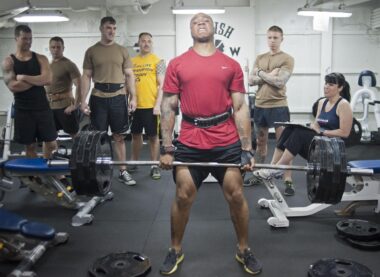
When engaging in weightlifting and training routines, monitoring your heart rate is crucial for maintaining a safe workout environment. Elevating heart rates indicate physical exertion, and surpassing certain thresholds can result in adverse health effects. Using heart rate monitors or apps can help athletes remain aware of their limits. Ideally, it’s vital to establish a personal target heart rate zone, which corresponds to your age and fitness level. This range allows you to effectively assess whether you are overexerting yourself or training within a safe limit. Before beginning any workout, ensure that your equipment is functioning properly to monitor your heart rate. Emphasizing safety during weightlifting should be prioritized alongside improvement in strength and endurance. Always listen to your body; if you feel dizzy or excessively fatigued, it’s crucial to stop immediately and rest. Gradually increasing the intensity of your workouts can also help in building stamina whilst keeping the heart rate within safe limits. Lastly, involving a certified trainer before implementing intense routines is highly advisable, as they can provide tailored guidance to maintain cardiovascular health effectively throughout all training processes.
One effective method to foster heart health and prevent injuries during workouts is to practice effective warm-up routines. Initiating your workout with dynamic exercises helps prepare your cardiovascular system for increased activity, adequately boosting the heart rate. Typical warm-up exercises could include light jogging, jumping jacks, or dynamic stretches. These warm-ups assist in gradually preparing not just your muscles, but they also encourage a smooth increase in heart rate without sudden spikes. Moreover, weightlifting can often lead to abrupt exertion, which makes warming up even more vital. Stretching after the workout, as well, fosters flexibility which further aids in muscle recovery. It’s essential to never skip warm-ups or cool-downs, ensuring that your body is appropriately prepared for the stress of lifting weight. After implementing the warm-ups, actively monitoring how your heart rate responds to different lifts and routines becomes key to understanding your limits. Over time, you will learn what works best for your body during strength training workouts. Always note any drastic changes in your heart rate patterns so adjustments can be made promptly for continued safe lifting.
Understanding Your Ideal Heart Rate Zones
Determining your ideal heart rate zones is integral to sustaining safety during workouts. The heart rate zone during workout includes various stages of intensity, categorized into resting, moderate, and vigorous. Your resting heart rate can be assessed in the morning when you wake up, indicating overall fitness levels. Generally, a lower resting heart rate suggests better cardiovascular health. Moderate intensity typically encompasses 50% to 70% of your max heart rate, ideal for improving your aerobic capacity. In contrast, vigorous intensity ranges from 70% to 85% of the maximum heart rate, aimed at enhancing performance. Moving between these zones while being aware of your current heart rate will help you recognize overexertion signs, such as dizziness or chest pain. For athletes, keeping track of heart rate during different lifts is beneficial for training adjustments. Regular assessment through wearable technology helps in understanding your limits comprehensively. This analysis coupled with frequency measurements allows a stable approach to training, ensuring you stay within your personal safe ranges effectively while working towards strength enhancement.
Recognizing the profound impact of hydration on heart rate is essential for safe weightlifting sessions. Maintaining adequate hydration levels can assist in controlling your heart rate effectively, additionally helping in overall workout performance. When dehydrated, your heart must work harder to pump blood, which can elevate your heart rate unexpectedly. Therefore, ensuring consistent water intake before, during, and after workouts is critical; it keeps the heart’s workload balanced and aids in recovery post-exercise. Sports drinks can also be beneficial in instances of extreme exertion, replenishing not just fluids but essential electrolytes lost during intense sweat. Furthermore, personalizing your hydration schedule to fit your specific physical activity level ensures your body functions optimally. It’s advisable to set reminders for hydration, especially during intensive weightlifting regimes, as fatigue can often obscure the need for water. Always be mindful and listen to your body regarding signs of dehydration, such as excessive thirst and decreased performance. Ultimately, staying hydrated contributes to maintaining a safe and productive workout, enhancing all facets of weightlifting without unnecessary strain on the heart.
Using Technology to Monitor Heart Rate
Technology has revolutionized how athletes monitor and manage their heart rates, offering numerous tools tailored for safety. Devices such as heart rate monitors, smartwatches, and fitness trackers allow athletes to continuously observe their heart rate during workouts. These devices can alert you if your heart rate exceeds a preset threshold, providing real-time feedback essential for maintaining safety while lifting. Many modern devices come equipped with built-in GPS and features to track various workouts, giving comprehensive insights into your fitness efforts. Additionally, smartphone applications connect with wearables, delivering data analysis and insights into your heart performance throughout time. Keeping a record of your heart rate trends helps in formulating effective workout plans. Such record-keeping not only enhances your training routine but highlights areas for improvement, aiding in achieving fitness goals safely. As technology continues to evolve, the availability of affordable heart rate monitoring devices further supports individuals at every fitness level. Incorporating these technological advancements increases awareness and accountability towards maintaining safe training routines effectively.
Incorporating cooldown periods post-workout is vital for ensuring heart rate stability. Transitioning your body from intense activity to rest helps regulate the heart rate significantly. Cooldowns typically involve light aerobic exercises or stretching to assist in gradually lowering your heart rates. Completing a proper cool down aids in avoiding lightheadedness or dizziness caused by sudden stops. Additionally, cooldowns allow for bodily adjustments post-exertion, regulating blood flow and optimizing recovery processes throughout various muscles. It’s critical to note that while heart rates drop after workouts, they should not remain excessively elevated for prolonged periods; this could indicate potential health risks. Implement a consistent cooldown routine at the end of each session to maintain heart rate in check efficiently. Furthermore, it can serve as an excellent time for reflecting upon the workout done, its effectiveness, and ways to improve. Seek advice from fitness coaches or experts to ensure you’re practicing adequate cooldown techniques tailored to your needs. Overall, focusing on cooldown pertinently contributes to maintaining heart health and enhances longevity in weightlifting workouts.
Consulting with Health Professionals
Consulting with health professionals regarding your heart rate during training is a proactive strategy for ensuring safety. Engaging with a medical practitioner before starting any rigorous workout routine or if interested in weightlifting is beneficial. Discussing cardiovascular health, particularly if you have underlying health conditions, ensures proper guidance tailored for you. Health professionals commonly provide assessments for establishing your optimal heart rate zones and the necessary precautions during activities. Personal trainers trained in this discipline can also offer insights and additional techniques to monitor heart rates exceeding your limits effectively. Training under supervision, especially while initiating weightlifting, assures correct techniques while emphasizing safety and health intelligence. Moreover, group classes led by certified trainers present opportunities to connect with others while still focusing on heart rate management efficiently. Establishing a relationship with knowledgeable fitness professionals allows for ongoing evaluations and reassessment of your physical progress. This continuous support ensures sustained safety while you advance in your weightlifting capabilities alongside maintaining effective heart health.
Lastly, keeping a journal or app to note details of workouts, heart rates, and overall feelings throughout training is essential for self-monitoring. Documenting these particulars helps in recognizing personal trends and improvements over time. Regular analysis of this information aids in pinpointing effective strategies, ensuring each session meets safety thresholds. Tracking heart rate responses to varying lifts influences future training decisions favorably. Furthermore, these observations allow for proper adjustments tailored to your workout goals and health needs. Employing journaling or technology to log changes consistently fosters accountability and mindfulness surrounding your fitness journey. This insight into your routine enables timely interventions and promotes a healthy relationship with weightlifting. Improved awareness leads to enjoying workouts, increasing motivation in physical endeavors. Over time, documenting these experiences can be useful for both personal satisfaction and professional assessments when involving health experts. Ultimately, comprehensive self-monitoring enhances the efficacy of your workouts while ensuring heart safety in the long term, resonating with improved health and fitness outcomes.