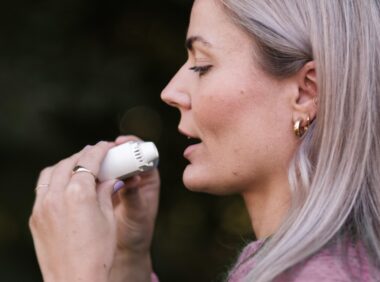

Integrating Mindfulness with Physical Activity for Respiratory Health
Chronic respiratory diseases affect millions globally, impacting overall wellness and quality of life. Integrating mindfulness and physical activity can significantly improve respiratory health outcomes. Many find that breathing exercises enhance lung function while reducing stress. As stress can exacerbate respiratory issues, combining physical activity with mindfulness practices can lead to profound health benefits. Research indicates that exercise improves respiratory muscle strength, endurance and airflow. Incorporating mindfulness techniques helps to ease anxiety often related to chronic respiratory conditions. Being present during physical activities encourages deeper breathing and better oxygenation. Mindfulness can also reduce the perception of breathlessness, often felt by those affected. Various forms of exercise, such as walking, yoga, or swimming, can be modified for those with respiratory challenges. It is essential to consult healthcare professionals before starting any new fitness program. Progressing gradually and listening to one’s body are critical components of this journey. By improving mental wellbeing alongside physical fitness, individuals can better manage their symptoms and empower their resilience against chronic respiratory diseases. In summary, the holistic approach of mindfulness along with consistent physical activity invites significant improvement and management of respiratory health.
Benefits of Mindfulness
Mindfulness practices significantly contribute to the overall well-being of individuals with chronic respiratory diseases. Techniques such as meditation, progressive muscle relaxation, and guided imagery can alleviate stress and lower anxiety levels. By incorporating mindfulness into daily routines, patients report improved quality of life and better management of their symptoms. Moreover, studies suggest that mindfulness can positively affect lung function, leading to enhanced oxygen intake and reduced feelings of breathlessness. Practicing mindfulness encourages individuals to focus on their breath, which indirectly strengthens respiratory muscles. By being conscious of breathing patterns, patients learn efficient ways to maximize lung capacity. Mindfulness helps in creating a positive mindset, essential when facing daily challenges associated with chronic conditions. Engaging in breathing exercises that cultivate mindfulness can foster healthier daily habits. This adaptable practice can be performed at home or in conjunction with physical activities like walking or yoga. Integrating mindfulness practices elevates self-awareness, promotes self-compassion, and enhances motivation. Therefore, empowering patients through mindfulness can guide them towards a balanced approach in managing chronic respiratory diseases, ultimately leading to improved respiratory health outcomes over time.
Physical activity is a fundamental aspect of managing chronic respiratory disease effectively. Regular exercise can lead to significant improvements in lung capacity, stamina, and overall physical strength. Activities such as walking, cycling, and swimming allow individuals to engage at their own comfort levels. When coupled with mindfulness, participants can learn to focus on their breath during exercise, optimizing performance. Starting slowly is crucial for those with chronic conditions to avoid exacerbating symptoms. Setting achievable fitness goals while monitoring progress supports motivation and mental well-being. Incorporating flexibility and endurance training into routines enhances respiratory function and strengthens breathing muscles. Breathing techniques can complement physical training, benefiting overall lung health. Maintaining an active lifestyle helps reduce the frequency of exacerbations and minimization of hospital visits. Furthermore, mindfulness fosters a deeper connection between mind and body, allowing for better acceptance of physical limitations. Finding enjoyment in physical activities may facilitate better adherence to exercise regimens. Whether in a group setting or individual practice, building a supportive community enhances accountability amid challenges. Thus, a balanced approach integrating physical activity and mindfulness holds profound importance for those managing chronic respiratory diseases.
Creating a Personalized Plan
When integrating mindfulness with physical activity, creating a personalized plan is vital for long-term success. Factors such as physical limitations, preferences, and lifestyle should be considered. Begin by assessing individual fitness levels and understanding specific respiratory challenges. Consulting with healthcare providers ensures that the chosen activities are safe and appropriate. Mindfulness activities can be woven into daily life seamlessly, through meals, nature walks, or even during exercise classes. Setting realistic and achievable goals underscores the importance of gradual progress. Keeping track of personal achievements and how they feel emotionally and physically throughout the journey forms a vital part of the plan. This allows adjustments to be made based on what works best for the individual. Flexibility is key when establishing routines; adapting to daily life demands enhances adherence. Encouraging support from family or friends fosters a sense of community and motivation. Mindfulness workshops or classes can further deepen understanding and practice. Progressing together with others who share similar aspirations creates an environment ripe for growth. Ultimately, a personalized plan rooted in mindfulness and consistent physical activity fosters holistic well-being.
Staying motivated is essential while practicing mindfulness and engaging in physical activities for respiratory health. Individuals may experience fluctuations in commitment levels, leading to challenges in maintaining consistency. One effective strategy to combat this is establishing a routine by scheduling specific times for mindfulness practice and exercise. Incorporating these activities into daily schedules creates accountability and strengthens habits. Additionally, joining classes or group sessions fosters camaraderie, as participants can share experiences and support one another. Celebrating small achievements encourages maintaining enthusiasm, as rewarding milestones reinforces positive behavior. Trying various mindfulness techniques, such as mindful breathing or yoga poses, keeps practices fresh and engaging, preventing boredom. Incorporating enjoyable physical activities, such as dance or hiking, can also uplift morale. Documenting progress in a journal can help individuals reflect on their journey, identify successes, and tackle challenges. Online platforms can provide valuable resources for motivation, sharing experiences, and accountability. Assessing personal motivations, such as improved quality of life or decreased symptoms, will help individuals stay focused on their goals. In summary, staying motivated while integrating mindfulness and physical activities can enhance respiratory health and foster a greater sense of well-being.
Long-Term Strategies
To ensure sustainable improvement in respiratory health, it is essential to establish long-term strategies. Regular evaluations of one’s progress contribute to moving towards personal goals efficiently. Adjusting the plan dynamically allows individuals to address changing needs and physical capabilities. Longevity of mindfulness and exercise is achievable when individuals diligently seek resources, support, and knowledge. Participating in community health promotion programs encourages consistent engagement in activities aimed at enhancing respiratory health. Regular interactions with healthcare professionals provide guidance and insights regarding lung health, ensuring proper management of chronic respiratory diseases. Engaging in educational workshops on mindfulness techniques can also enhance understanding and implementation. Incorporating breathing exercises throughout daily routines, during moments of stress or fatigue, can reinforce positive habits. Moreover, fostering a mindset of patience and self-compassion is critical, as dealing with chronic conditions often comes with ups and downs. Recognizing progress over time rather than immediate results promotes contentment and keeps individuals motivated. In conclusion, adopting these long-term strategies can empower individuals to integrate mindfulness with physical activity, leading to a healthier lifestyle and improved respiratory health.
Ultimately, integrating mindfulness with physical activity can offer a transformative approach to managing chronic respiratory diseases. This holistic strategy addresses not only physical symptoms but also emotional well-being. Incorporating relaxation techniques and mindfulness practices into exercise routines encourages individuals to approach physical activity mindfully. Patients often experience enhanced lung function and decreased feelings of breathlessness. Furthermore, developing a positive, mindful approach helps individuals shape their perceptions around living with chronic illness. As patients learn to focus on their breath and performance during activities, it enhances overall energy levels and resilience. Establishing a supportive network can be instrumental; sharing experiences and strategies with peers can make a significant difference. Engaging with healthcare professionals ensures tailored guidance to improve respiratory health. Ultimately, the enduring benefits of combining mindfulness and physical activity empower individuals to thrive despite challenges. This integrated approach invites individuals to honor their bodies and cultivate compassion while managing chronic respiratory diseases. By embracing both practices, individuals embark on a transformative journey toward better respiratory health and well-being.
Incorporating mindfulness techniques alongside physical activity for respiratory health is a proven method for enhancing quality of life.