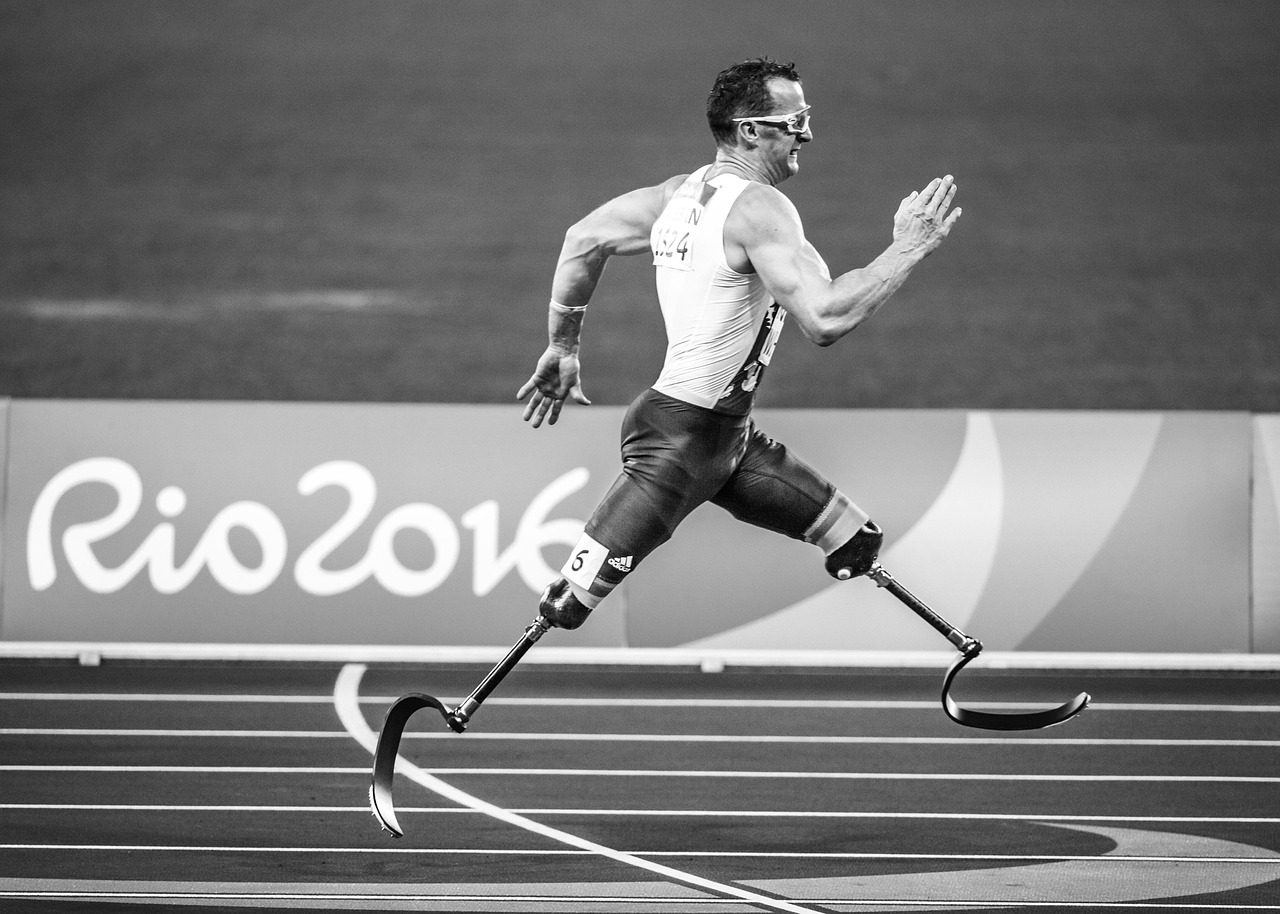

Inclusive Fitness: Bridging the Gap with Adaptive Fitness Techniques
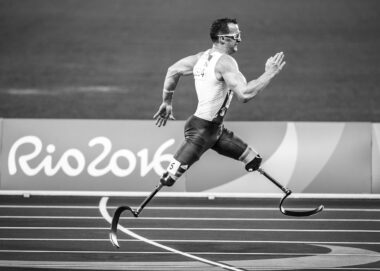
Adaptive fitness incorporates various methods tailored to meet the specific needs of individuals with disabilities, ensuring they participate in physical activity. Through these personalized approaches, adaptive fitness enhances inclusion and empowers those who may face challenges in traditional fitness environments. Emphasizing accessibility, adaptive fitness encourages all participants regardless of their physical or mental capabilities, making them feel valued and part of the community. This integration fosters a more inclusive atmosphere where individuals can thrive and grow. By engaging in adaptive fitness, people develop confidence, improve mobility, and enhance their overall quality of life. Unique techniques employed within adaptive fitness programs ensure participants can engage in activities suitable for their abilities, ranging from modified exercises to specialized equipment. Also, social interaction cultivated in adaptive fitness settings helps to break down barriers and creates lasting connections among participants. These programs highlight the significance of understanding and addressing the distinct challenges faced by people with disabilities. Thus, adaptive fitness constructs a path towards greater health and wellness for all, promoting the importance of adapting physical activities to cater to everyone’s unique needs. In essence, it signifies a transformative approach to fitness for individuals with varying abilities.
Engagement in adaptive fitness provides numerous psychological benefits that positively impact individuals with disabilities. The sense of accomplishment gained from mastering new exercises or activities leads to improved self-esteem. Participants often experience greater motivation, which promotes consistent attendance and commitment to their fitness regimes. Moreover, adaptive fitness fosters an environment where participants can connect with others facing similar challenges. This camaraderie creates a support system that encourages socialization, essential for mental well-being. As a result, individuals feel less isolated and more integrated within the community. Additionally, overcoming obstacles in fitness training can transform one’s perspective on personal abilities and potential. The motivational aspect distinctly enhances mental resilience, leading to a more significant determination to face other challenges in life. In turn, this translates to better emotional health, reducing anxiety and depression levels. The buildup of self-worth through these experiences is crucial for personal growth. Engaging in meaningful interactions while exercising fosters friendships and ultimately contributes to the overall satisfaction derived from fitness activities. Each of these psychological components significantly impacts the personal journey toward better health in adaptive fitness, highlighting why accessible exercise options are vital for everyone.
Physical Benefits of Adaptive Fitness
In addition to psychological advantages, adaptive fitness offers essential physical benefits that improve overall health. Individuals with disabilities often face different challenges that may hinder their physical development. Hence, adaptive fitness programs are designed to cater specifically to their needs. By focusing on tailored exercises, participants can develop strength, flexibility, and endurance at their own pace. Gradually building these attributes equates to improved balance and coordination—elements crucial for daily activities. Furthermore, engaging regularly in physical activity minimizes the prevalence of chronic conditions such as obesity, diabetes, and cardiovascular diseases. Tailored fitness plans can optimize efforts made during exercises to target specific areas in need of attention. This customized approach not only motivates individuals to push their own limits but also allows them to track their progress effectively. Importantly, adaptive fitness promotes overall body awareness—helping enthusiasts understand their physical capabilities and limitations. Settling into this understanding can lead to healthier lifestyle choices and better overall well-being. Understanding one’s body allows for more informed decision-making about nutrition and recovery methods, paving the way for a holistic health enhancement. Therefore, the integration of adaptive techniques contributes immensely to physical health.
Moreover, adaptive fitness plays an essential role in rehabilitative care for individuals recovering from injuries or surgeries. The supportive environment fostered by adaptive fitness programs ensures that participants can acclimate back into exercise with greater ease. Experienced trainers customized workout plans to accommodate evolving skill sets while addressing previous injuries sensitively. By gradually reintroducing movement, participants can regain their mobility and confidence safely. Adaptive fitness also emphasizes injury prevention strategies. Individuals learn effective methods to strengthen vulnerable areas, reducing the likelihood of future issues. New exercises are designed to counteract physical imbalances or weaknesses, contributing to overall recovery. Health professionals can involve themselves in crafting rehabilitation initiatives centered around adaptive fitness, ensuring continuity of care. Consequently, this individualized focus results in faster and more effective recovery outcomes. Participants witness not only physical enhancements but also substantial improvement in mental resilience throughout the rehabilitation process. Ultimately, adaptive fitness functions as a lifeline for those transitioning back into active lifestyles, providing the necessary support along their journey. This aspect further emphasizes the vast potential outcomes of incorporating adaptive fitness programs for individuals in need of restorative solutions.
Community Building Through Adaptive Fitness
Another significant benefit of adaptive fitness lies in its ability to foster community connections. By engaging in adaptive fitness programs, individuals establish lasting relationships with peers and trainers alike. These connections promote mutual understanding and camaraderie among participants who share similar challenges, building a supportive network. This supportive atmosphere encourages individuals to share their experiences and celebrate achievements, contributing to a sense of belonging. Fitness events, workshops, and group classes also offer opportunities for participants to socialize and strengthen these bonds. The inclusion of adaptive fitness in local community spaces resonates with the importance of creating inclusive environments accessible to everyone. Furthermore, collaborating with local organizations to promote adaptive fitness initiatives encourages increased awareness and recognition of individuals with disabilities. As adaptive programs gain visibility, they contribute to the normalization of inclusive practices within traditional fitness settings and the broader community. This shift helps break down stereotypes and misconceptions while reassuring participants and families of their worth. Thus, adaptive fitness acts as a platform for empowerment, fostering a sense of unity among diverse groups within the realm of fitness. Building community connections cultivates an environment for shared growth and experiences for all.
The economic advantages of promoting adaptive fitness cannot be understated. As more individuals with disabilities engage in physical activities, a ripple effect occurs, positively impacting healthcare costs in society. Encouraging active lifestyles significantly contributes to reducing health-related expenses linked to chronic diseases and injuries. By investing in adaptive fitness programs, communities cultivate healthier individuals capable of functioning optimally and contributing positively to society. Furthermore, adaptive fitness can attract various audiences, resulting in increased participation and revenue for local fitness facilities. Creating awareness surrounding adaptive programs can help capture the interest of marginalized groups looking for inclusive options. By expanding offerings and promoting equal opportunities, fitness centers may serve a more extensive customer base and foster loyalty. Consequently, this investment in adaptive fitness not only affects individuals but also extends to local economies and businesses. The presence of adaptive fitness promotes overall wellness, leading to a reduction in sedentary lifestyles and improvement in community morale. Providing experiences for everyone aligns with modern values of inclusivity and acceptance. Therefore, it is vital for fitness spaces to prioritize adaptive techniques to maximize benefits for individuals and the overall economy.
Conclusion
In summary, adaptive fitness is a game-changer for individuals with disabilities, offering a comprehensive approach to physical and mental well-being. By focusing on tailored techniques and supportive communities, adaptive fitness empowers individuals to reclaim agency over their health. The various benefits span across physical health, psychological well-being, community connections, and economic advantages. Promoting adaptive fitness initiatives advocates for inclusivity and acceptance in all dimensions of fitness. The ongoing participation fosters personal growth while educating society on the vital importance of adaptive techniques. These programs create visibility for varied abilities, affirming that fitness is a right for everyone. As barriers continue to diminish, communities become more united in their efforts to ensure each individual has equal access to fitness opportunities. Further, embracing adaptive fitness cultivates healthier lifestyles and advocates for an inclusive society, where everyone thrives. Thus, it is essential to champion adaptive fitness as a transformative pathway for enhancing overall health. The need for adaptive fitness will continue to grow as society evolves, reflecting the importance of inclusivity and accessibility on multiple levels, ensuring everyone achieves their fullest potential.