
How Smart Technology Is Revolutionizing Home Fitness
The rise of smart technology is dramatically reshaping how individuals approach fitness at home. This movement is not just about convenience but also about efficiency and overall experience enhancement. With smart devices, users can monitor their health metrics in real-time, ensuring they stay on the right track throughout their workouts. Innovations such as connected treadmills and stationary bikes allow users to join virtual classes while tracking their heart rate or calories burnt. The inherent gamification of smart home gym equipment provides unparalleled motivation as users engage in competitive workouts with others from around the globe. Furthermore, many of these devices offer personalized training programs tailored to individual fitness levels and goals. This personalization helps enhance user engagement, leading to better results over time. As smart technology expands, it empowers users with actionable insights, enabling them to adjust their routines for optimal performance. Smart fitness devices also promote community-building by connecting users through social sharing features, encouraging them to reach their fitness milestones together. Therefore, the integration of smart technology in home fitness is not merely an enhancement but also a significant revolution in achieving better health and well-being.
As home fitness becomes more popular, the development of advanced equipment is undergoing rapid acceleration. Devices that integrate artificial intelligence are transforming traditional workout methods by providing tailored experiences to users. Smart weights, for instance, automatically adjust weight based on the user’s performance during exercises, allowing for progressive overload efficiently. This adaptability not only guarantees safety but also fosters long-term adherence to fitness regimes. Moreover, resistance bands embedded with sensors can detect how often and intensely they are used, sending this data straight to a mobile app. With this information, users can easily track their progress over time. Another trend is the emergence of virtual trainers, offering real-time feedback and personalized guidance from professional trainers, all while working out at home. These trainers use video analysis to correct techniques and offer performance-enhancing advice immediately. Similarly, interactive mirrors provide an immersive experience, turning mundane workouts into engaging sessions. As advancements in technology continue to reshape the fitness landscape, home gym equipment evolves to meet the needs of fitness enthusiasts. This shift is leading to a more effective, engaging, and connected home workout environment.
Wearable Technology in Home Workouts
Wearable technology plays a pivotal role in enhancing home workouts, providing users with unprecedented insights into their workouts. Devices like smartwatches and fitness trackers collect various health metrics, from heart rate and sleep patterns to calories burned. This data allows users to make informed decisions regarding their training and recovery. One crucial aspect is the analysis of heart rate variability, which enables users to tailor exercises to fit their current fitness level and fatigue state accurately. By understanding these metrics, individuals can fine-tune their routines to prevent overtraining and under-recovery. Integrating this information with home gym equipment creates a holistic fitness approach. With wearable tech providing performance data in real-time, users can adjust their workouts mid-session for enhanced effectiveness. Additionally, many wearables offer integration with fitness apps and community platforms, increasing motivation through friendly competition and shared achievements. This interaction fosters a greater sense of accountability and support among fitness enthusiasts. Therefore, utilizing wearables not only elevates individual workouts but also creates a connected fitness community at home, making each session more impactful overall.
One of the most significant benefits of smart technology in home fitness is the ability to connect various devices seamlessly. Interconnectivity among fitness equipment, apps, and wearables leads to a comprehensive fitness experience for users. For example, heart rate monitors can sync with cardio machines, allowing for real-time adjustments of intensity based on exertion levels. Such synchronization optimizes workout efficiency and helps maintain a consistent training zone, crucial for achieving fitness goals. Additionally, integrated platforms that compile data from multiple devices provide users with a clearer picture of their fitness journey. This holistic view allows for better decision-making regarding lifestyle changes or nutrition adjustments. Smart technology also encourages adaptability; if users find a specific exercise ineffective, connected devices can suggest alternatives based on past workout performance. Interactive features such as virtual classes offered through fitness apps further amplify the home gym experience, turning solitary workouts into interactive sessions. The incorporation of gamification elements, such as achievement badges and social leaderboards, fosters motivation and engagement, encouraging users to consistently take part in their fitness journey. Ultimately, a connected fitness ecosystem enriches home workout experiences.
Impact of Virtual Reality on Home Workouts
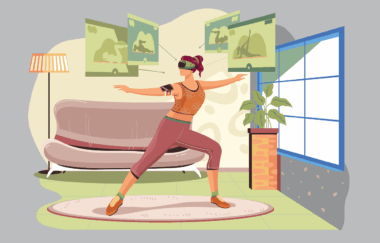
The implementation of virtual reality (VR) technology in home workouts is revolutionizing how people engage with fitness. This innovative approach transforms ordinary exercises into immersive experiences by placing users within 3D environments. Users can engage in activities like cycling through scenic landscapes or participating in interactive fitness games, significantly increasing motivation levels. VR encourages a full-body workout without the monotony often associated with at-home exercises. By leveraging VR, individuals can escape their surroundings while feeling the burn from various workouts tailored to their preferences and fitness levels. Furthermore, the social element of VR fitness allows users to connect with friends or family, engaging in cooperative challenges or multiplayer games. This connection can significantly increase participation rates, as the element of social engagement enhances accountability. As technology continues to innovate, VR fitness apps are becoming increasingly sophisticated, offering tailored sessions based on user goals. Integrating VR elements into home fitness equipment simulates a gym environment, making workouts more enjoyable and less isolating. The future of fitness looks bright as virtual reality becomes a standard tool for enriching at-home fitness experiences.
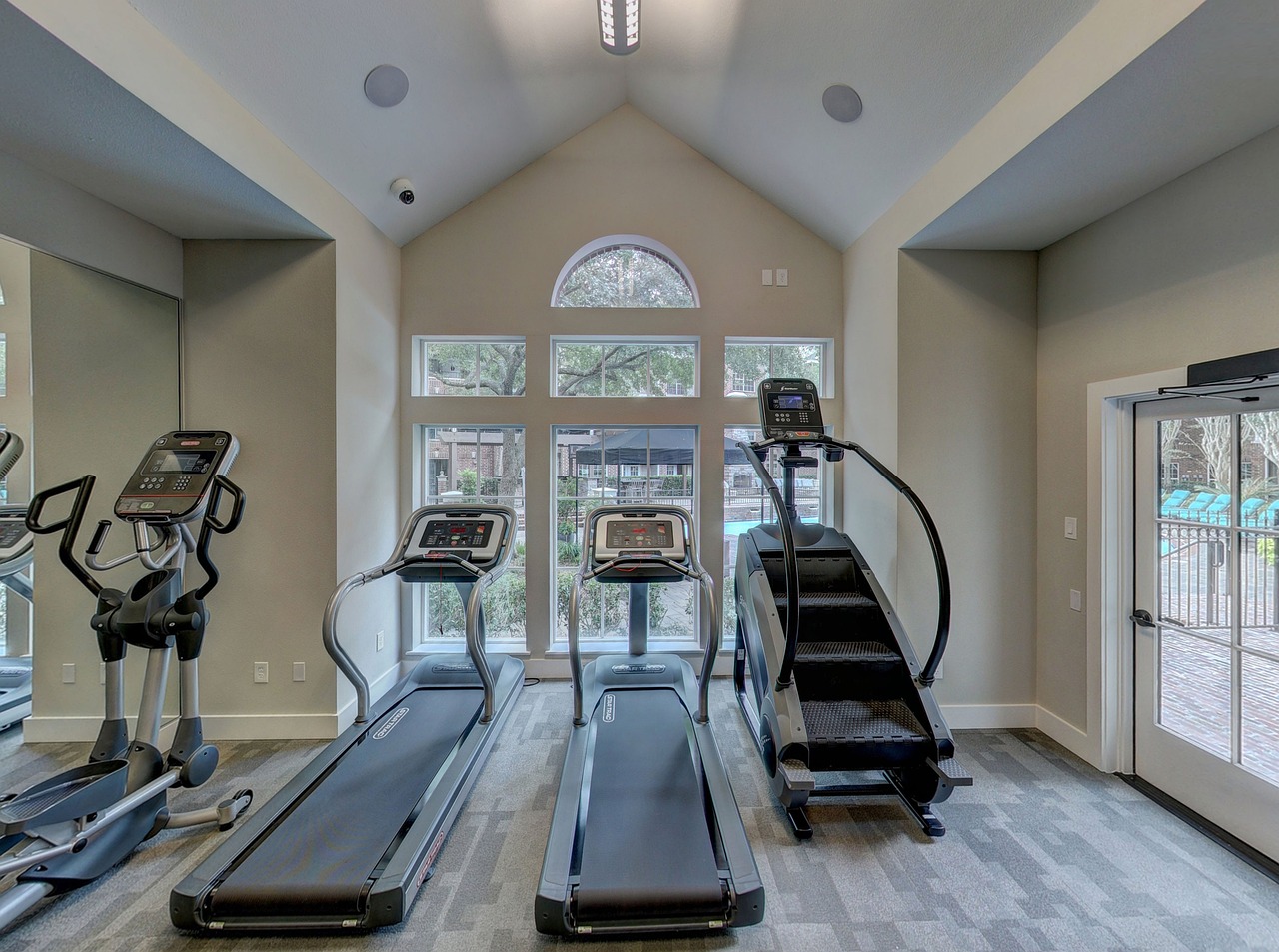
As the fitness industry evolves, embracing a multifaceted approach is essential for enhancing home workout experiences. Smart technology integration offers a vast range of advancements, from comprehensive data analytics to virtual class offerings. Users can select from personalized workout plans that accommodate individual preferences and goals, enabling tailored fitness strategies. Additionally, community engagement platforms further promote motivation through shared experiences and social support. Fitness apps incorporating challenges, rewards, and community rankings foster a sense of belonging among users, helping them stay committed to their fitness goals. These advancements contribute significantly to user retention, as individuals notice tangible progress toward their objectives. Tech-enabled home gyms also allow users to diversify their workout routines with features that encourage compliance and variety. High-tech equipment such as smart stationary bikes or interactive treadmills provides guidance through various workout programs, making it easy to explore new training modalities. Consequently, users can challenge themselves and remain engaged over time. The future of home fitness is undoubtedly rooted in smart technology, providing an accessible entry point for individuals to embrace healthier lifestyles without sacrificing convenience.
Conclusion: The Future of Home Fitness
In conclusion, smart technology is set to lead the fitness industry into an era of unprecedented growth and innovation. The integration of artificial intelligence, wearable technology, and virtual reality equips users with effective, engaging home workout solutions. As consumers become increasingly reliant on technological advancements, the demand for sophisticated, user-friendly fitness devices will only grow. This trend will make home fitness accessible to a broader audience, empowering individuals from all walks of life to prioritize their well-being. Finally, as preferences shift towards personalized experiences, manufacturers will continue developing equipment that caters to unique fitness journeys. Already popular trends, such as gamification and interactive experiences, are likely to dominate the home fitness landscape in the coming years. Therefore, as we embrace this technological revolution, it’s clear that smart home gym equipment will play a pivotal role in shaping the future of fitness. The importance of staying physically active will remain at the forefront of public consciousness, and technology will facilitate this journey for many. Thus, the home fitness revolution driven by smart technology is a positive evolution for health and wellness.
In conclusion, smart technology is set to lead the fitness industry into an era of unprecedented growth and innovation. The integration of artificial intelligence, wearable technology, and virtual reality equips users with effective, engaging home workout solutions. As consumers become increasingly reliant on technological advancements, the demand for sophisticated, user-friendly fitness devices will only grow. This trend will make home fitness accessible to a broader audience, empowering individuals from all walks of life to prioritize their well-being. Finally, as preferences shift towards personalized experiences, manufacturers will continue developing equipment that caters to unique fitness journeys. Already popular trends, such as gamification and interactive experiences, are likely to dominate the home fitness landscape in the coming years. Therefore, as we embrace this technological revolution, it’s clear that smart home gym equipment will play a pivotal role in shaping the future of fitness. The importance of staying physically active will remain at the forefront of public consciousness, and technology will facilitate this journey for many. Thus, the home fitness revolution driven by smart technology is a positive evolution for health and wellness.